

A broken tooth while eating, a chipped tooth after a small bump, or a cracked tooth that causes daily pain? These incidents are among the most common dental emergencies. While the situation often causes stress, effective and quick solutions are available.
At the Madeleine Dental Practice, our team handles all types of dental trauma. We help you identify the injury, adopt the appropriate actions, and ensure prompt and tailored care.
Dental trauma includes lesions of the enamel, dentin, pulp, periodontal tissue, and alveolar bone.
Each case is distinguished by specific clinical and radiographic characteristics.
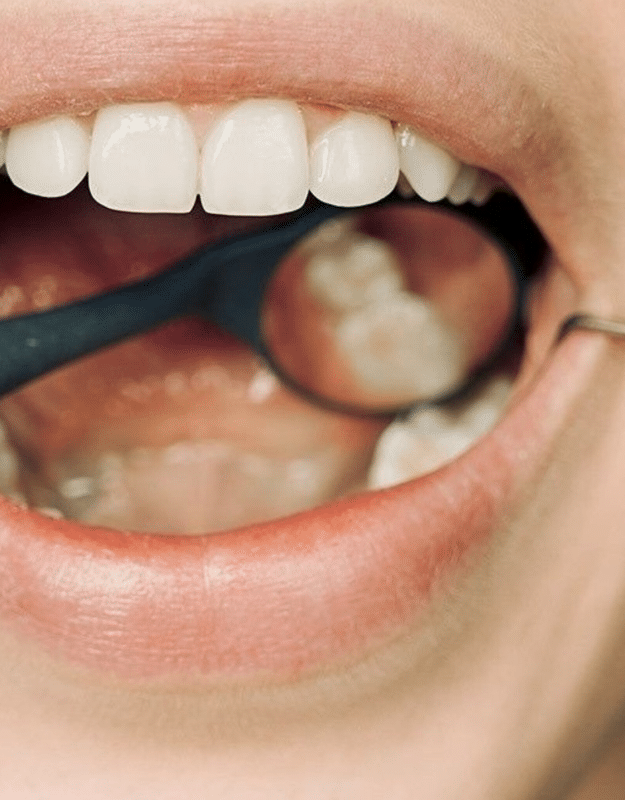
An enamel fracture appears as a superficial chip of the outer layer, often at the incisal edge. This lesion does not expose the dentin or pulp and is not painful.
The lesion crosses the enamel to the dentin without exposing the pulp chamber. It results in the loss of a dental fragment while preserving the integrity of the pulp.
In this case, the fracture reaches the pulp, exposing the nerves and vessels. The pain is then immediate and intense, and the tooth reacts strongly to thermal variations and contact.
The fracture line extends from the crown along the root to the root canal, leading to segmented mobility. The fissure, sometimes vertical, can reach the root apex.
The fissure affects the root (cervical, middle, or apical third) and is often asymptomatic, revealed only by X-ray. Moderate sensitivity to occlusal pressure may occur.
The alveolar bone shows a fracture line or displacement of a bone segment. This dental trauma alters the morphology of the dento-alveolar ridge without directly affecting the crown structure.
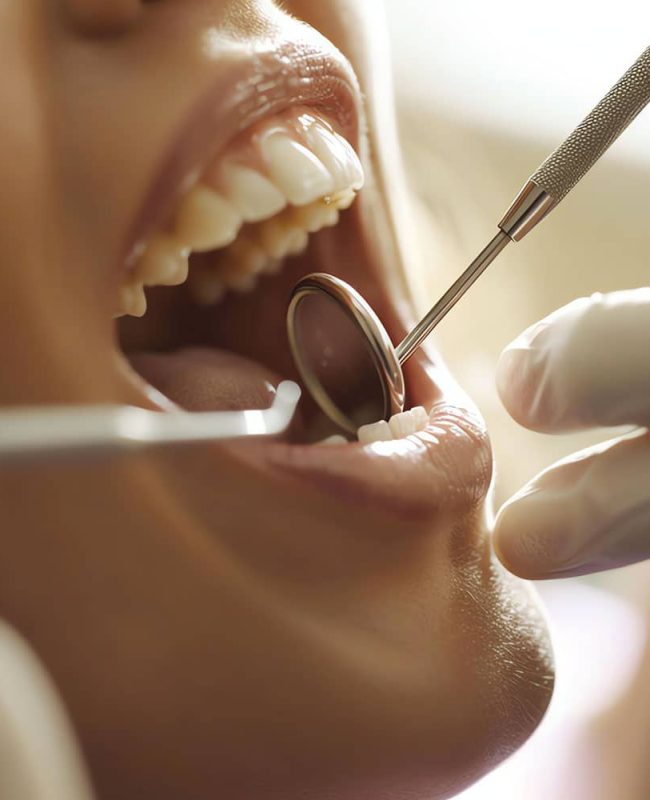
The periodontal ligaments are damaged without tooth displacement or mobility. The tooth remains stable but triggers sharp pain upon percussion.
The tooth shows abnormal mobility accompanied by gingival bleeding. However, it does not leave its socket.
The tooth is partially expelled from its socket, appearing longer without loss of substance. This lesion affects the peri-alveolar gingiva and requires quick repositioning to preserve the periodontal ligament.
The tooth moves horizontally (buccal, lingual, mesial, or distal) often accompanied by alveolar fracture. This creates asymmetry in the arch and sometimes a chipped tooth if the impact has chipped the enamel.
The tooth is pushed into the socket without external mobility. This lesion causes significant damage to the pulpo-periodontal tissues and a characteristic 'sound' upon percussion.
The tooth is completely expelled from its socket. The root is fully visible, while the socket appears empty and often bloody. A tooth thus expelled from the mouth corresponds to a complete avulsion, meaning the total loss of the tooth with its complete absence in the dental arch.
In children, dental traumas require specific management. The alveolar bone is softer, which favors intrusive luxations where the tooth sinks into its socket. Fractures mainly concern the crown and usually do not reach the pulp. In the event of avulsion of a primary tooth, reimplantation is not performed to protect the germ of the permanent tooth. Clinical and radiographic follow-up is crucial to detect any potential complications.
In practice, fractures and dislocations can occur together. For example, there are cases of a cracked tooth associated with a lateral dislocation or a chipped tooth accompanied by a subluxation. These mixed dental traumas complicate the diagnosis by simultaneously affecting the hard, pulp, and periodontal tissues.
Repairing a broken or cracked tooth is definitely feasible provided that intervention occurs quickly. In case of doubt or an emergency, contact the practitioners from the Madeleine Dental Practice immediately. Our team provides emergency consultations.
Gently rinse your mouth with lukewarm water to remove debris without irritating the exposed pulp. Avoid brushing the area or using an aggressive mouthwash. If a fragment has detached, carefully retrieve it and place it in saline solution or, if unavailable, in UHT milk (Ultra High Temperature).
Apply a cold compress to the cheek on the affected side and, if necessary, take a common pain reliever (paracetamol or ibuprofen). Avoid chewing on the traumatized side to prevent worsening the fracture.
Schedule an appointment without delay for a complete clinical and radiographic examination. This evaluation allows for determining the extent of the lesion, identifying specific needs, and designing a tailored treatment plan.
In the event of dental trauma, several treatments may be necessary depending on the nature of the lesion.
Traumas such as a cracked or broken tooth often require inlays/onlays (ceramic or composite resin) or ceramic-ceramic crowns to restore the tooth structure. An inlay-core may also be used if the tooth is very damaged, particularly after a root canal. These restorations are custom-designed to ensure strength and aesthetics.
In the case of deep fractures or pulp exposure, microscopic root canal treatment may be necessary. This technique allows for precisely cleaning the internal canals of a traumatized tooth to prevent infection or necrosis.
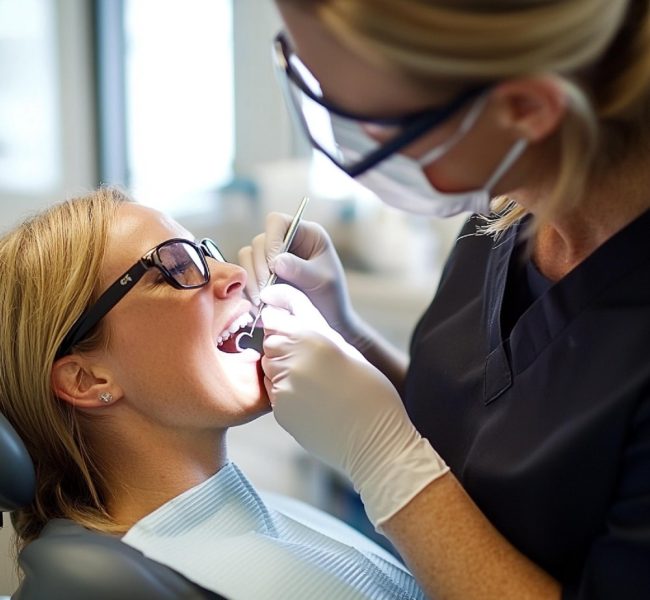
When the broken tooth is not restorable or has been lost, the solution involves a dental implant accompanied by an implant-supported crown. These procedures allow for the durable replacement of the lost tooth, with optimal aesthetic results.
If dental trauma leads to bone or gum loss, bone grafts or gum grafts may be proposed. They restore the support tissues necessary for the stability of teeth or implants.
For chipped or slightly fractured teeth on the visible surface, placing dental veneers constitutes a durable aesthetic solution. Teeth whitening, on the other hand, can be considered at the end of treatment to harmonize the shade of the smile.
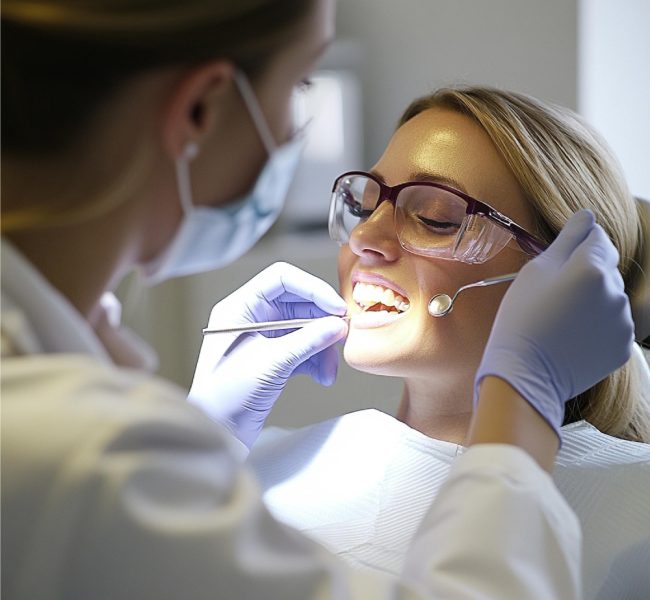
At the Madeleine Dental Practice, each situation is examined based on a clinical assessment and a radiographic analysis. Whether for an emergency or a simple check-up, patients are welcomed in modern facilities located on Boulevard de la Madeleine, in an environment that is both professional and comfortable.
Thanks to state-of-the-art technical equipment and an experienced multidisciplinary team, the clinic handles all cases, including the most complex. The treatments offered aim to sustainably restore dental function and aesthetics, taking into account the specific needs of each patient.
For any additional information, we invite you to contact us via our WhatsApp or by phone at 01 04 70 95 64. Our team is at your disposal to schedule an appointment and provide a personalized quote.
The price entirely depends on the necessary treatment. A resin repair is less expensive than a crown. Therefore, it is essential to have a clinical examination to obtain an accurate quote and a proposal with different feasible solutions.
Most often, the treatment involves a crown to protect the tooth. The cost of this procedure will be explained to you in a detailed quote before starting the treatment.
While waiting for your appointment, you can take paracetamol (if you have no contraindications). Avoid hard foods and drinks that are too hot or too cold on the affected tooth.
The risk is real if the fracture is very deep (up to the root) or if you wait too long before consulting. That is why it is essential to act quickly. Prompt management often allows saving the tooth.
A brief, sharp pain when you chew is the most common sign. The crack itself is often difficult to see. Only an in-office examination can confirm the diagnosis.
Unfortunately, no. You can only avoid stressing the tooth. Only appropriate treatment, like a crown, can stop its progression and prevent the tooth from breaking for good.