

Gingivitis is a gum inflammation associated with the presence of bacteria. It is an extremely common condition: many adults show signs of it, sometimes without even realizing it.
Unlike other dental issues, it does not always cause pain. This is what makes it insidious. However, some signs are very characteristic and should prompt a consultation.
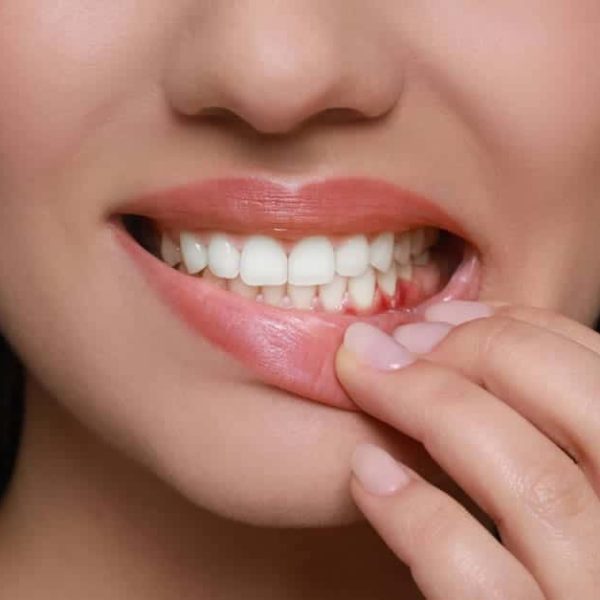
A healthy gum is pale pink, firm, and well attached to the tooth.
In the case of gingivitis, it becomes:
This change in appearance indicates an increase in vascularization related to inflammation.
Some people also describe a feeling of discomfort or tension in the gums, along with a persistent bad breath, often linked to the degradation of bacterial debris.
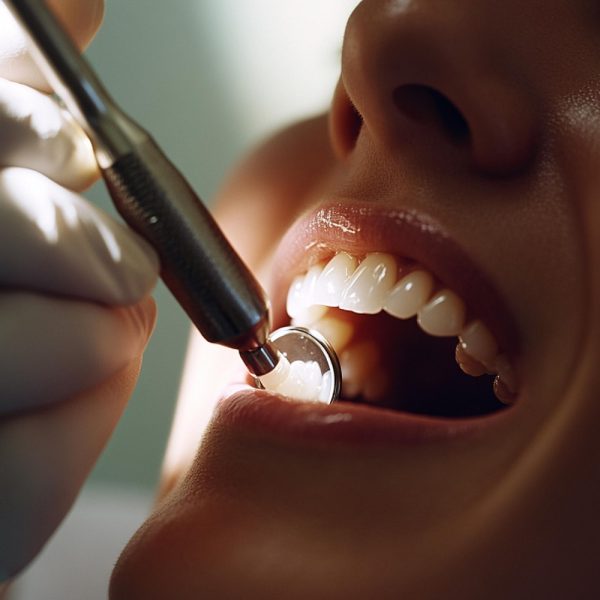
The most frequent sign remains bleeding gums.
It often appears:
This bleeding is linked to the weakening of the gum tissues caused by the accumulation of dental plaque. The bacteria it contains trigger a local inflammatory reaction.
Contrary to popular belief, it is not because one brushes too hard that gums bleed. It is generally the opposite: they bleed because they are inflamed.
Gingivitis never occurs by chance. It results from an imbalance between the bacteria present in the mouth and the body’s defense mechanisms.
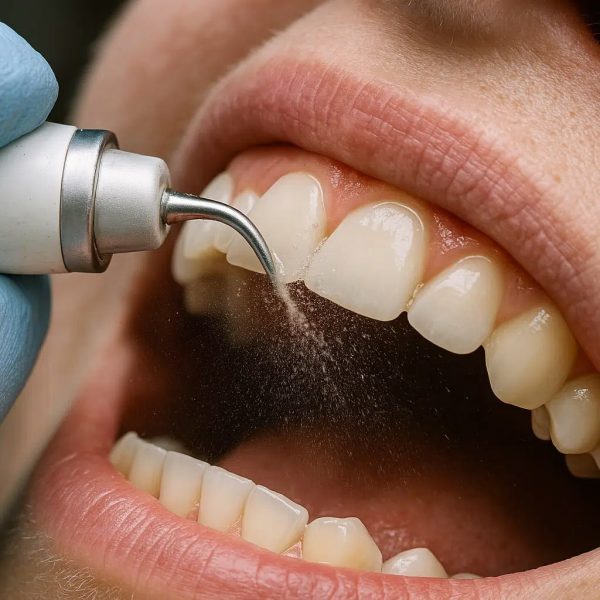
At the heart of the problem, we almost always find dental plaque.
It is a biofilm composed of bacteria that forms continuously on the teeth. When it is not properly removed:
Over time, this plaque mineralizes and turns into dental tartar, which is much more adherent.
Tartar acts as a rough surface that further facilitates bacterial retention. It creates a vicious circle.
At this stage, only a professional scaling can restore a healthy situation.
Certain situations make the gums more sensitive or alter the inflammatory response:
These factors do not directly lead to gingivitis, but they facilitate its appearance and persistence.
Gingivitis has one significant advantage: it is reversible. But this requires prompt and appropriate management.
Treatment also relies heavily on what you do every day.
Effective oral hygiene rests on three pillars:
These actions help maintain long-term control over dental plaque.
The first step is to eliminate local causes.
At the Madeleine Dental Practice, this typically involves:
This care helps eliminate the bacterial deposits responsible for inflammation.
In some cases, specific advice is given to adapt daily habits (brushing technique, choice of tools, etc).
Once gingivitis is treated, the aim is to prevent it from reappearing.
A few adjustments often suffice:
These habits contribute to maintaining a stable oral environment.
Even with good oral hygiene, some deposits can accumulate in hard-to-reach areas. That’s why a regular follow-up with the dentist is essential.
A periodic check, typically every 6 months with the dentist, allows for:
Your practitioner can also guide you on the right daily habits to adopt and offer you personalized preventive care, tailored to your situation.
This regular follow-up is essential to sustainably maintain good gum health and to prevent progression to more advanced conditions.
It can improve slightly if hygiene improves, but without the removal of tartar, it often persists.
Not necessarily. It’s often an painless inflammation, which delays its management.
Gingivitis only affects the gums. Periodontitis affects the supporting structures of the tooth (bone, ligament).
Yes, because tartar cannot be removed by brushing.
No. They can help, but do not replace mechanical cleaning.
As soon as bleeding, redness, or persistent discomfort appears.