
Long perceived as a painful or anxiety-inducing step, dental extraction is now part of a comprehensive approach to prevention and care. When a tooth is too damaged, misaligned, or a source of complications, its extraction may be the best solution to maintain oral health and prevent more serious conditions.
At the Madeleine Dental Practice, this procedure is far from trivial: it is tailored with attention, precision, and comfort. Thanks to cutting-edge technologies and an experienced multidisciplinary team, each patient benefits from personalized care in a reassuring environment. The goal? To minimize discomfort, promote rapid recovery, and lay the foundation for a healthy, lasting smile.
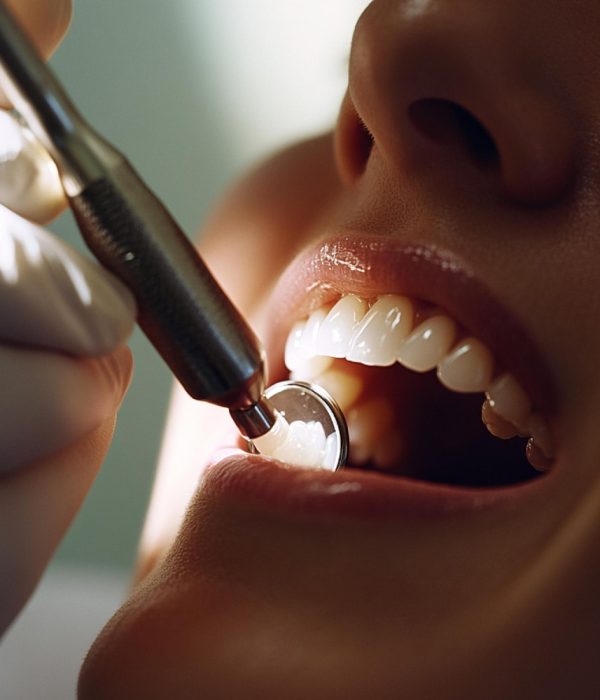
Dental extraction, or exodontia, refers to the removal of a tooth from its socket in the maxillary or mandibular bone. It is a common surgical procedure performed in cases such as:
Several signs may alert you and justify a quick consultation with your dentist:
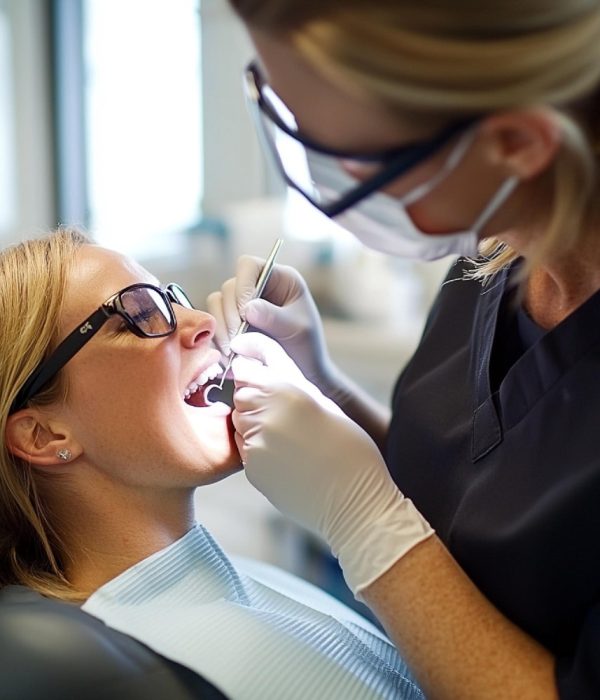
If in doubt, make an appointment with our multidisciplinary teams at the Madeleine Dental Practice. A precise examination, possibly complemented by a dental scan or panoramic radiograph, will confirm or dismiss the need for extraction.
Our specialists in wisdom tooth extraction in Paris provide a comprehensive diagnosis to determine the best time for intervention.
The Madeleine Dental Practice offers a specialized and secure approach to dental extraction. Each procedure adheres to a specific protocol to maximize patient safety and comfort.
The assessment begins with imaging examination. The panoramic radiograph allows visualization of all dental and bony structures. The cone beam 3D scan provides a detailed volumetric image, useful for evaluating bone density, root shapes, and their positions.
The analysis of these data guides the choice of extraction technique. The practitioner identifies the risks and selects the appropriate instruments. A treatment plan is defined for each pratical situation.
Anesthesia is performed through infiltration. The product used is either lidocaine or articaine. The goal is to block nerve transmission in the targeted area.
The injection is carried out slowly into the periodontal tissues. The area becomes insensitive. The procedure can start painlessly for the patient.
This intervention is divided into two distinct modalities:
Simple extraction involves the visible teeth with well-formed crowns and accessible roots. Performed under local anesthesia, this procedure requires the use of elevators and forceps to loosen the tooth and delicately remove it. On average, the intervention lasts between 10 and 20 minutes.
When a tooth is impacted, fragmented, or when it involves the extraction of a wisdom tooth or the treatment of an associated cyst, a surgical extraction is necessary. After an incision of the gum, the surgeon may need to section the crown or roots to facilitate removal and then closes the area with sutures. Depending on the complexity of the case, the operation may last between 30 and 60 minutes.
Note: there is also the possibility of extracting a tooth under conscious sedation. This technique combines a sedative (often administered by inhalation or intravenously) with local anesthesia. It allows the patient to remain awake but relaxed, without feeling pain or anxiety during the extraction. Commonly used in anxious patients or during complex procedures, it offers optimal comfort while ensuring a rapid recovery.
The socket is cleaned through gentle curettage. Debris is removed. A thorough rinsing with saline solution eliminates any residues. Resorbable stitches may be placed. Tissue closure promotes rapid healing and limits complications.
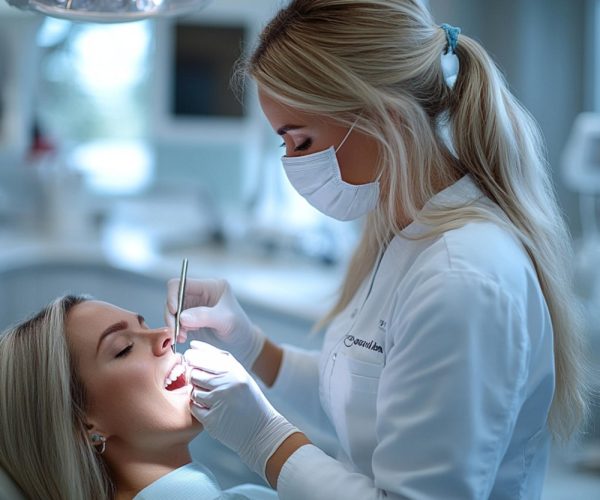
Extracting a tooth is never a trivial decision. Persistent pain, wisdom teeth, or infection: our dentists at the Madeleine Dental Practice provide expert care, in a calming and highly secure environment.
Thanks to modern techniques and personalized attention, we turn a dreaded step into a managed experience.
Make an appointment now for a complete evaluation and benefit from a stress-free extraction, gently. Comfort, expertise, discretion.
Extraction can be a first step before implementing reconstructive and aesthetic treatments:

These rates may vary based on your pratical situation, additional examinations, and the geographical location of the practice. For reference, here are some price ranges:
| Procedure | Indicative Price (€) |
|---|---|
| Simple Extraction | 120 — 160 |
| Surgical Extraction | 200 — 350 |
Contact our experts for any dental questions or emergencies. A personalized and detailed estimate will be provided during your first consultation.
The Madeleine Dental Practice stands out for its multidisciplinary and technological approach, ensuring safe and optimized procedures for every patient.
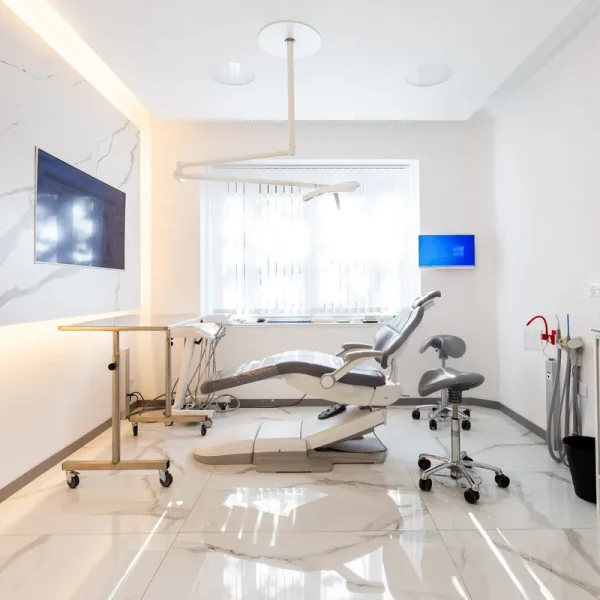
With a complete technical platform and recognized expertise, the Madeleine Dental Practice guarantees high-quality care in a safe and healthy environment. Make an appointment for your preoperative assessment and receive your free, no-obligation estimate.
Local anesthesia makes the procedure painless; postoperative pain can be managed with analgesics.
Yes, unless conscious or general sedation has been administered.
Avoid any intense exertion for 48 hours, then gradually resume.
Apply a sterile compress; if bleeding does not stop after 24 hours, contact the Madeleine Dental Practice.
Gradually reintroduce solid foods, focusing on warm and soft textures.