

In modern dentistry, the priority is clear: preserve rather than replace.
The conservative treatment in endodontics allows for deep treatment of a tooth while avoiding extraction. This approach adheres to sustainable care practices that respect your dental health. When a tooth can be preserved, it always remains the best option.

A natural tooth plays a fundamental role in the overall balance of the mouth.
It allows for:
But above all, it retains a natural sensitivity that artificial solutions do not fully replicate.
Preserving a tooth means maintaining a functional and biological balance.
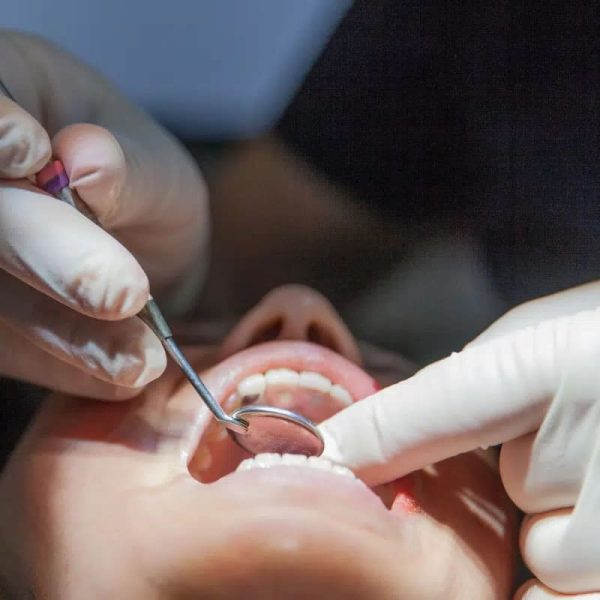
When a tooth is too damaged, extraction may be considered. However, it is never the first solution contemplated.
Replacing a tooth often involves the placement of an implant followed by the creation of a bridge or removable prosthesis.
These solutions are effective, but require additional treatments.
The conservative treatment in endodontics can, in many cases, avoid these interventions.
An endodontic treatment is indicated when the inner part of the tooth is affected.
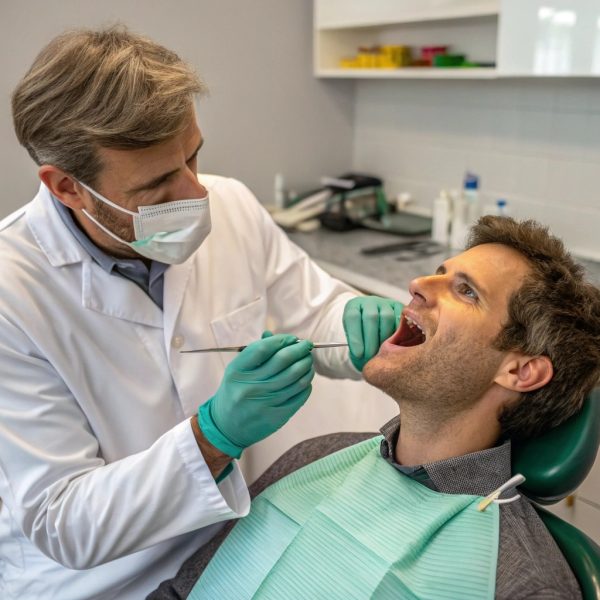
At the center of the tooth lies the pulp, a living tissue composed of nerves and vessels.
It can be compromised by:
When this area is infected, the tooth can no longer heal on its own.
The endodontic treatment consists of eliminating this infection while preserving the structure of the tooth.
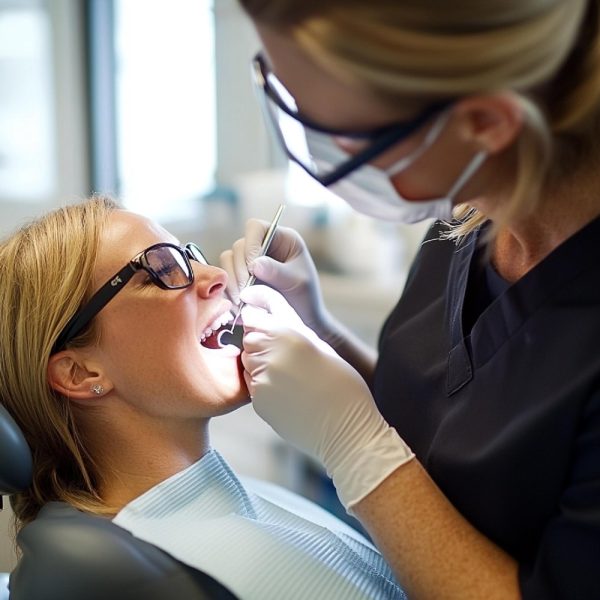
The signs can vary depending on the case:
In some cases, no symptoms are present.
Regular check-ups often allow these situations to be detected before the onset of pain.
The conservative treatment in endodontics is performed under conditions of optimal precision and comfort.
Once the canals are cleaned, they are dried and then sealed with a biocompatible material. This sealing helps prevent any reinfection. The tooth is then restored to regain its strength and function. The goal is to maintain a functional tooth in the long term.
The first step involves accessing the inside of the tooth.
The practitioner carries out:
This step is essential to eliminate the bacteria responsible for the infection.
The conservative treatment in endodontics currently presents an excellent success rate. In most cases, pain disappears quickly, the infection is eliminated, and the tooth remains stable. Success depends notably on the timeliness of the intervention and the quality of follow-up.
After treatment, the tooth requires special attention. It is recommended to:
A regular check-up (about every 6 months) at the Cabinet Dentaire de la Madeleine allows for the early detection of any anomalies and the sustainable preservation of gum and tooth health.
Your practitioner also provides tailored advice and personalized preventive care.
No, it is performed under local anesthesia and generally takes place without pain.
One to two sessions are sufficient in most cases.
Because preserving a natural tooth is always preferable when possible.
It may be slightly, hence the importance of an appropriate restoration.
Yes, a well-treated tooth can be retained for many years.
As soon as there are signs of pain, unusual sensitivity, or during a routine check-up.