
You wake up with a painful jaw. You feel tension in your neck, recurrent headaches, or your teeth seem to wear down faster than normal. These signals, often trivialized or attributed to stress, may originate from an imbalance in your dental occlusion. This is precisely what occlusodontics seeks to identify and correct.
At the Madeleine Dental Practice, we pay particular attention to this discipline that remains largely unknown to the public. Because a well-functioning mouth leads to a healthier body.
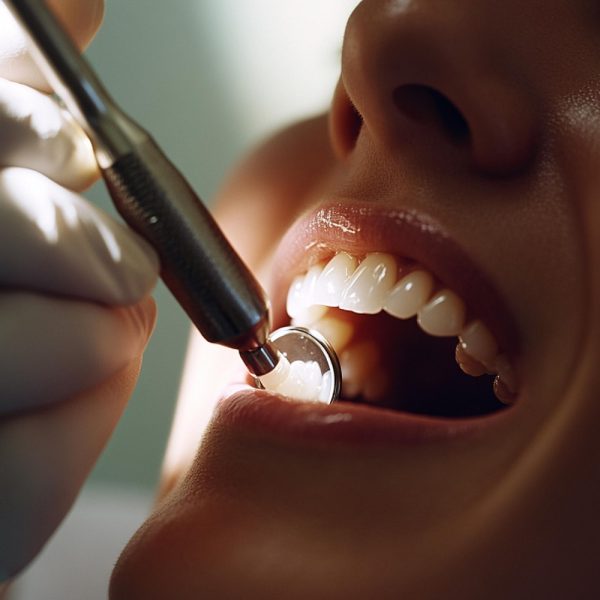
Occlusodontics is the dental discipline that studies how your upper and lower teeth meet when you close your mouth, in other words, your dental occlusion. But it goes beyond this simple contact: it also analyzes the functioning of the masticatory muscles, the temporomandibular joints (TMJ), and the overall balance of your masticatory system.
When everything aligns correctly, you don’t think about it. When there is a disturbance, even slight, it often takes a toll on the whole body.
A dental malocclusion simply means that your teeth do not fit together as they should. It may be a matter of inclination, position, height, or relationship between the two jaws. For a long time silent, an untreated malocclusion can, over time, generate a cascade of symptoms that one does not spontaneously relate to their teeth.
The signs of an occlusal dysfunction are often subtle at first. They can gradually intensify over weeks or years, and sometimes become significantly debilitating in daily life.
Here are the symptoms that should prompt you to consult for an occlusal assessment:
Pain or tension in the jaw, especially upon waking
Frequent headaches, particularly around the temples
Popping, clicking, or locking sensations in the TMJ (Temporomandibular Joints)
Bruxism (grinding or clenching of teeth, often at night)
Pain in the neck, shoulders, or back
Feeling of clogged ears or tinnitus
Abnormal or asymmetric wear of teeth
Unexplained dental sensitivity
It is important to note that these symptoms can have other causes. Only a thorough pratical examination can provide a reliable diagnosis.
A dental malocclusion simply means that your teeth do not fit together as they should. It may be a matter of inclination, position, height, or relationship between the two jaws. For a long time silent, an untreated malocclusion can, over time, generate a cascade of symptoms that one does not spontaneously relate to their teeth.
Nothing is rushed. Before considering any treatment, we take the time to listen, examine, and understand.
At the conclusion of this occlusal assessment, a precise diagnosis is established. It takes into account all the parameters noted: the relationship between your dental arches, muscular and joint function, and any signs of wear or tension. This diagnosis subsequently guides the choice of the most suitable treatment for your situation.
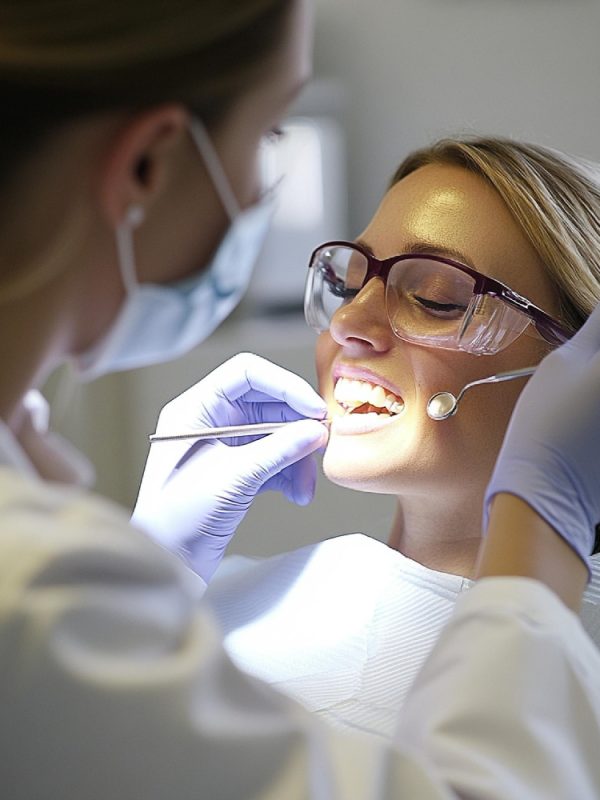
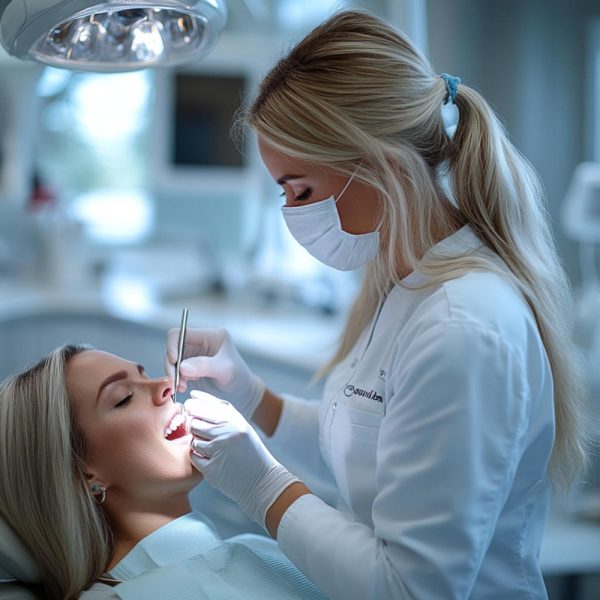
During this initial consultation, we gather all your medical and dental history. You describe your discomfort, its frequency, and its evolution. Then we perform a complete pratical examination: analysis of dental contacts, jaw mobility, condition of the temporomandibular joints, observation of the masticatory muscles.
In some cases, impressions or digital records of your jaws may complement this initial assessment.
There is no universal treatment. Every patient is different; every diagnosis is unique.
The treatment plan is therefore always personalized.
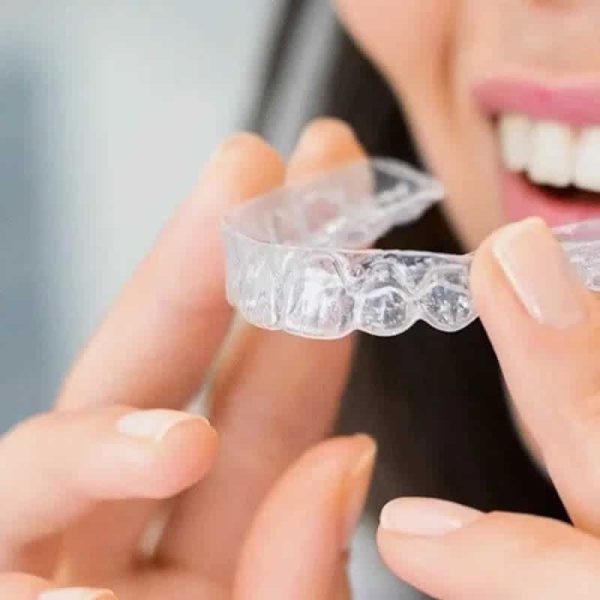
It is the reference therapeutic tool in occlusodontics. Made from a precise impression of your arches, the occlusal splint is a resin device, tailored to your mouth, to be worn generally at night.
Its action is multifaceted: it protects the enamel from wear related to bruxism, relaxes the masticatory muscles, relieves the temporomandibular joints, and allows the jaw to find a physiological rest. It does not cure the root cause of bruxism, but it significantly limits the consequences and effectively alleviates associated pain.
When certain dental contacts are identified as sources of disturbance, an occlusal readjustment can be performed. This involves fine, millimeter-scale adjustments aimed at harmonizing the contacts between the two arches during various jaw movements. This type of intervention, performed with care, can have a significant impact on chronic pain that the patient has been experiencing for years.
In complex cases, occlusodontics is integrated into a more comprehensive care approach. We work closely with physiotherapists, osteopaths, and orthodontists to propose a coherent and sustainable solution. Certain disorders indeed require simultaneous action on several fronts.
Bruxism affects a significant portion of the adult population, often without the individuals being fully aware. This involuntary grinding or clenching of teeth, most frequently occurring at night, is closely linked to stress, fatigue, or an underlying occlusal imbalance.
In the long term, it can cause severe enamel wear, dental fractures, muscle and joint pain, as well as sleep disturbances. An early diagnosis allows for intervention before the consequences become permanently established.
If you think you might be suffering from bruxism or if people around you mention it, don’t wait for your teeth to give you a warning.
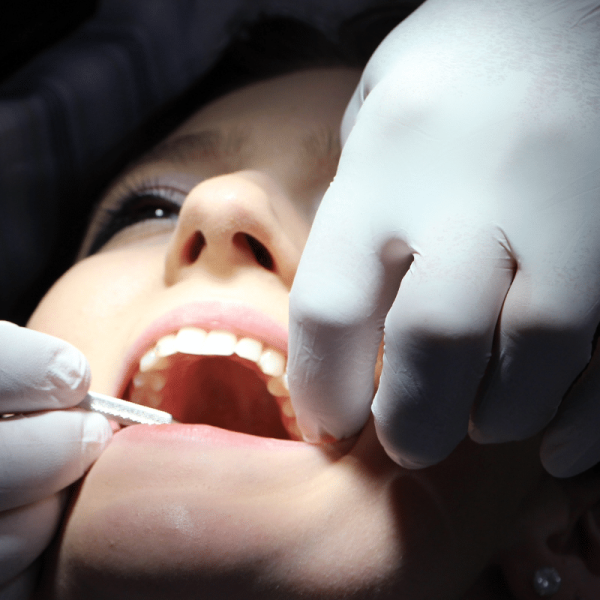
Located in the heart of the 8th arrondissement of Paris, our practice welcomes patients in a warm and caring environment. Our approach is based on listening and personalizing care.
We believe that treating occlusal disorders not only protects your teeth but also improves your quality of life on a daily basis.
If you identify with any of the described symptoms, we invite you to contact us for an initial appointment. Often, a conversation is enough to start clarifying your situation.
The information presented on this page is for educational purposes and should not replace a medical diagnosis. Only a practical examination performed by a dentist can establish a diagnosis and propose appropriate treatment.