

A dental infection is a progressive condition that never heals spontaneously.
Located at 8 Boulevard de la Madeleine (Paris 9th), the Madeleine Dental Practice receives patients daily suffering from infectious complications. Whether affecting the tooth, gum, or bone, the infection requires immediate medical intervention to stop bacterial proliferation and relieve pain. Understanding the origin of the problem is the first step towards healing.
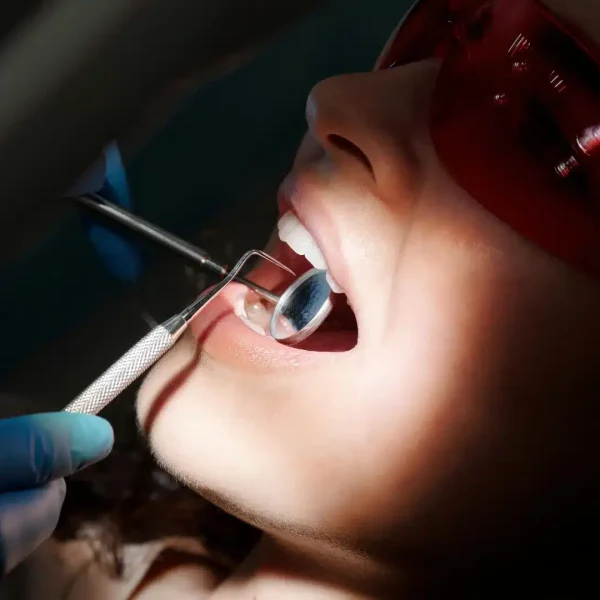
A dental infection refers to the invasion and multiplication of pathogenic bacteria within the oral and dental tissues. It gradually establishes itself before leading to acute manifestations.
It can occur at various levels:

Dental pain is not always the only indicator. An infection can evolve chronically or acutely.
The most common symptoms are:
A poorly diagnosed infection can have repercussions on general health, such as the heart, joints, or diabetes.
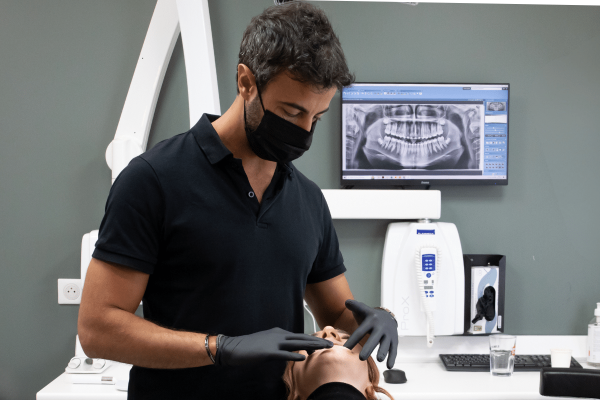
Your consultation begins with a thorough practical examination, supplemented by a digital radiographic assessment. If the infection is deep or complex, our 3D imaging equipment (Cone Beam) allows for precise visualization of the anatomy of the roots and the extent of the bone lesion. Our goal is to define a personalized and effective treatment plan.
Treatment depends on the stage of advancement of the infection. It aims to eliminate the bacteria while preserving the tooth.
When the infection reaches the nerve, devitalization is necessary. The practitioner cleans and disinfects the inside of the roots to remove the infectious focus, before sealing the canals hermetically.
If the infection is superficial, the dentist removes the carious part and rebuilds the tooth with a waterproof composite material to stop bacterial intrusion.
In cases where the tooth is too damaged, or if the infection poses a major health risk, extraction may be considered as a last resort. The tooth will then be replaced (implant or bridge) to restore function.
If the infection affects the gum, a complete cleaning (deep scaling or root planing) is performed to eliminate tartar and bacteria lodged beneath the gum.
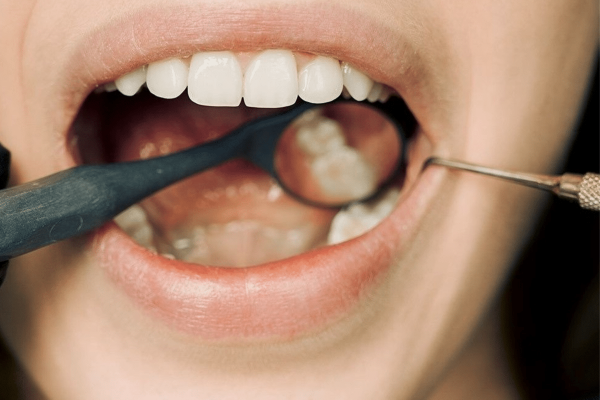
The mouth naturally harbors bacteria, but their proliferation becomes pathogenic in the case of imbalance. Prevention relies on simple but essential actions:

The Madeleine Dental Practice welcomes its patients in an environment where hygiene and asepsis are guaranteed at every stage of care.
We have a complete technical platform that allows us to treat all forms of dental infections: simple cavities or complex surgical interventions. Thanks to modern equipment, including 3D Cone Beam imaging, we can enhance diagnostic quality and support the precision of the treatments.
Choosing the Madeleine Dental Practice means benefiting from quick and effective care to stop the infection and sustainably preserve your oral health.
No. Antibiotics can limit the spread of the infection and temporarily reduce symptoms, but they do not address the cause. Without mechanical intervention from the dentist (cleaning of the tooth or gum), the infection resumes as soon as the medication is stopped.
Yes. The presence of fever indicates that the dental infection is starting to spread throughout the body. This is an emergency sign that requires prompt consultation.
Clove essential oil has soothing and antiseptic properties. It can temporarily relieve pain while waiting for the appointment, but it does not treat the infection deeply. Only a visit to the dentist can effectively address the pain.
No, dental infections (cavities or abscesses) are not transmitted from person to person through saliva like a virus.
Absolutely. It is even recommended to treat a dental infection during pregnancy. Bacteria can have consequences on the fetus’s health or cause premature labor. Always inform the medical team about your pregnancy.
The roots of the upper tooth (premolars and molars) are very close to the maxillary sinuses. A dental infection at this level can spread to the sinus mucosa and cause dental-related sinusitis.