
Dental pain is among the most intense pains experienced by the human body. It can arise suddenly or develop gradually until it disrupts daily life: difficulty sleeping, altered eating habits, increased anxiety.
At the Madeleine Dental Practice in Paris, every pain is treated as a priority. Our team acts swiftly to relieve patients and restore their well-being, relying on cutting-edge technology and a human approach.

Many patients wait for the pain to pass, thinking it is just a simple fleeting episode. However, pain is always a warning signal that your body sends you. It can mask a dental infection, inflammation, or an underlying issue that, without treatment, can worsen significantly. Acting quickly avoids heavier treatments tomorrow.
Dental pain is a symptom. Its origin can vary, so it is essential to accurately identify the cause before any treatment.
Common sources include:
When dental decay progresses to the dental pulp (the nerve), it causes pulpitis. This is a very painful inflammation that, without treatment, can develop into an abscess.
An abscess presents as constant pain, often accompanied by swelling and sometimes fever. Gum infections can also cause dull pain and persistent bad breath.
A fall, a shock, or severe bruxism (teeth grinding) can crack or break a tooth, leading to pain and complications.
Gum pain is common among patients suffering from gingivitis or periodontitis. It is sometimes accompanied by bleeding or gum recession.
Sometimes, the pain originates from a non-dental issue (sinusitis, temporomandibular joint disorder) but manifests in the oral area.
At the Madeleine Dental Practice, examinations rely on advanced diagnostic tools to leave nothing to chance. For example, we provide our patients with digital intraoral scanners (MEDIT i500, Planmeca Emerald™), 3D radiography, and the use of an operating microscope for extremely precise diagnostics.
It is sometimes difficult to assess whether a pain requires a consultation. This is particularly the case when the symptoms seem mild or intermittent. Here are some examples of warning signals:
In all these cases, do not wait! The earlier the treatment, the simpler it is. We offer dedicated emergency slots every week. For more information, contact us, a quick response is always organized.
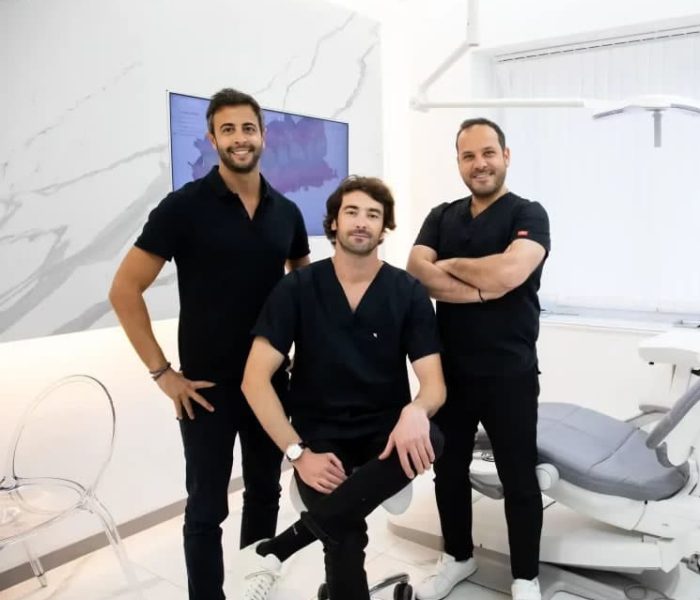
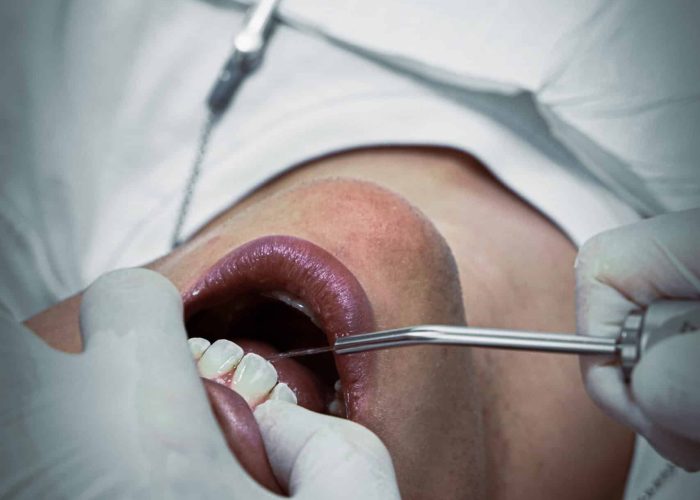
When the patient walks through the practical door with dental pain, their main expectation is simple: to relieve the pain as quickly as possible. Here are the measures put in place immediately by the Madeleine Dental Practice:
Our team operates in a calming environment, with particular attention paid to the physical and emotional comfort of the patient.
Once the pain is controlled, we move to the curative treatment stage. Here again, each protocol depends on the identified cause:
The Madeleine Dental Practice combines high technology, biocompatible materials, and smile design for a conservative and aesthetic approach.
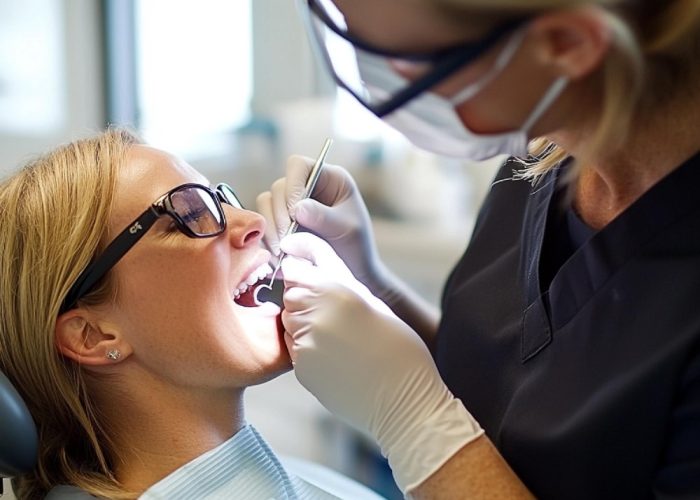
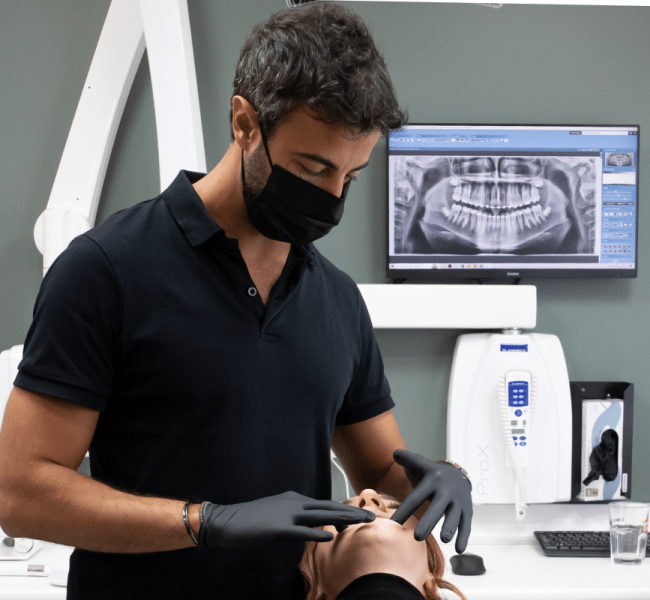
Pain relief is inseparable from a reassuring experience. The Madeleine Dental Practice relies on:
This may provide temporary relief, but does not address the cause. An abscess, for example, will not heal without specific treatment.
Yes. Thanks to the diagnostic tools used at the Madeleine Dental Practice, even invisible fractures or deep infections are detected with accuracy.
The disappearance of pain does not mean healing. An infection can progress silently. A precise diagnosis is recommended to avoid future complications.
No, especially not at the Madeleine Dental Practice. Modern local anesthesia and the use of an operating microscope ensure that treatments are performed with serenity, pain-free.
We take that into account. We take the time to explain, reassure, and adapt each treatment to your pace.
Yes. Emergency slots are reserved every week to quickly relieve acute pains.
Absolutely. Digital imaging allows for more reliable and less invasive diagnostics while reducing the duration of treatments. Treatments thus become more comfortable and effective.