
A smile is a true signature. However, when a tooth dulls, turns gray, or its edges become translucent, it can cause concern. This change in color is not just aesthetic; it can also reveal an underlying issue.
At The Madeleine Dental Practice, our team of practitioners offers modern and reliable solutions to correct these discoloration defects. With a personalized approach, we identify the exact causes of your tooth discoloration to propose a tailored and effective treatment.
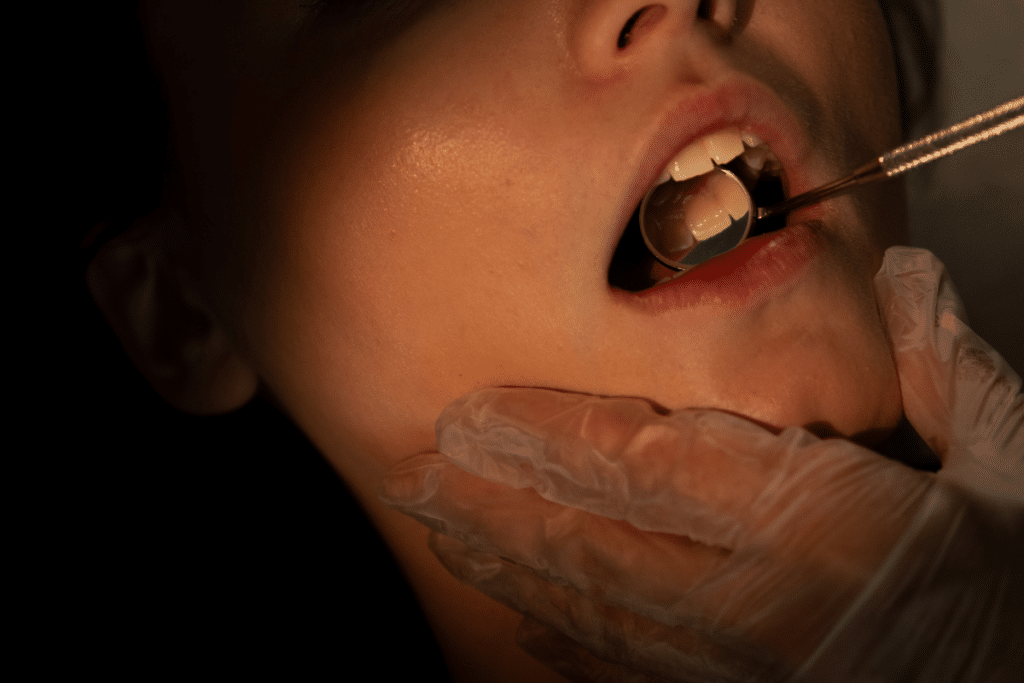
A normal tooth is white and opaque due to its enamel. However, it may be referred to as gray when it takes on a dark shade (from gray to black). This phenomenon often occurs after dental trauma. As for the so-called transparent tooth, it is characterized by thinning enamel. The edge of the tooth, usually at the incisors, becomes more translucent, revealing the underlying dentin. This transparency results from gradual wear of the enamel, losing its protective thickness and natural opacity.
Before addressing a problem, we must first find its cause. Several factors can explain the change in color or transparency of teeth:
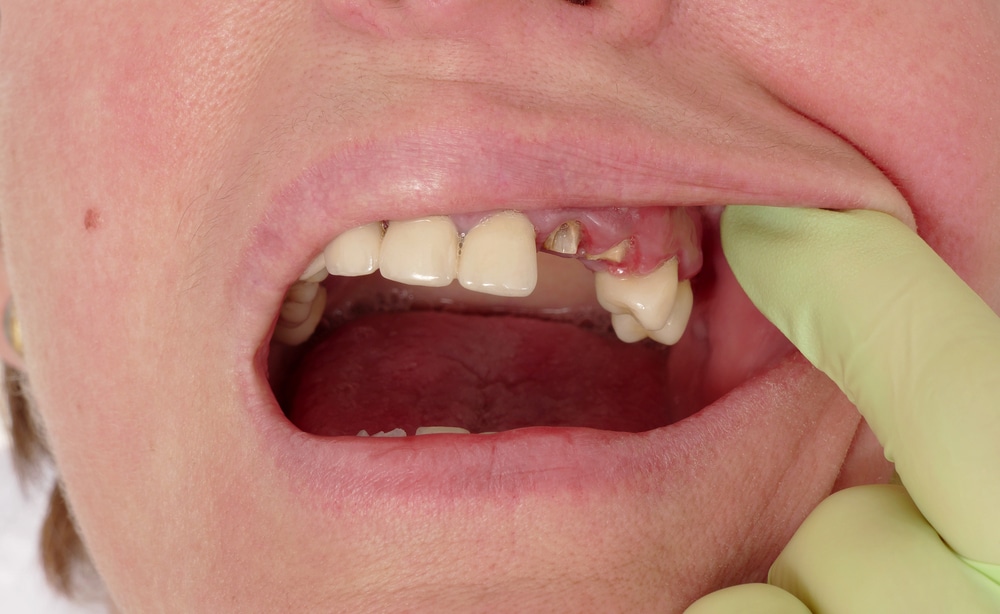
A blow to the tooth can damage the dental pulp. Broken vessels cause internal bleeding that grays the tooth. This phenomenon is common in cases of trauma, both in adults and children.
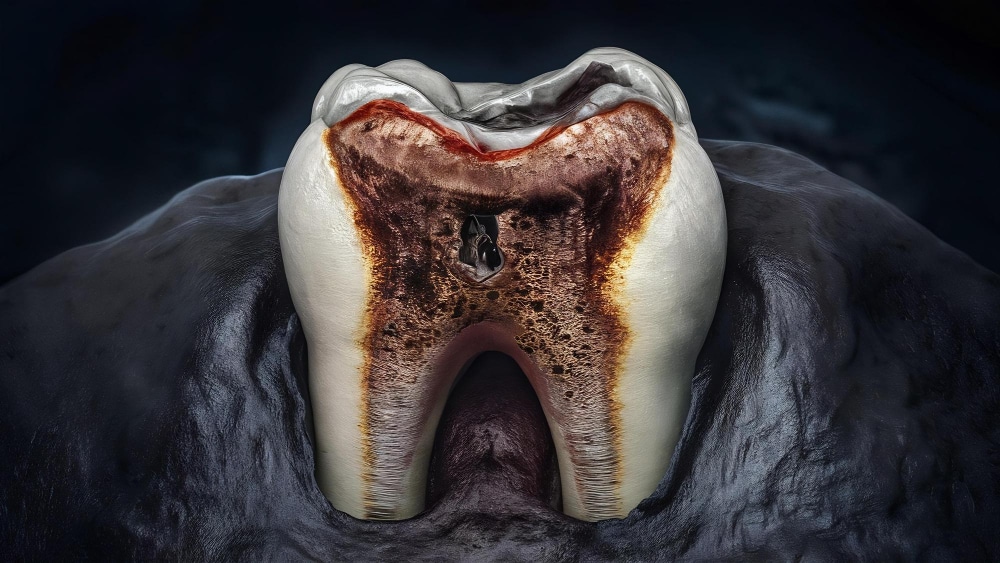
When a deep cavity or infection kills the pulp, the tooth is no longer supplied with blood and gradually dulls. Teeth that have undergone root canal treatment (devitalization) often take on a grayish hue over time.
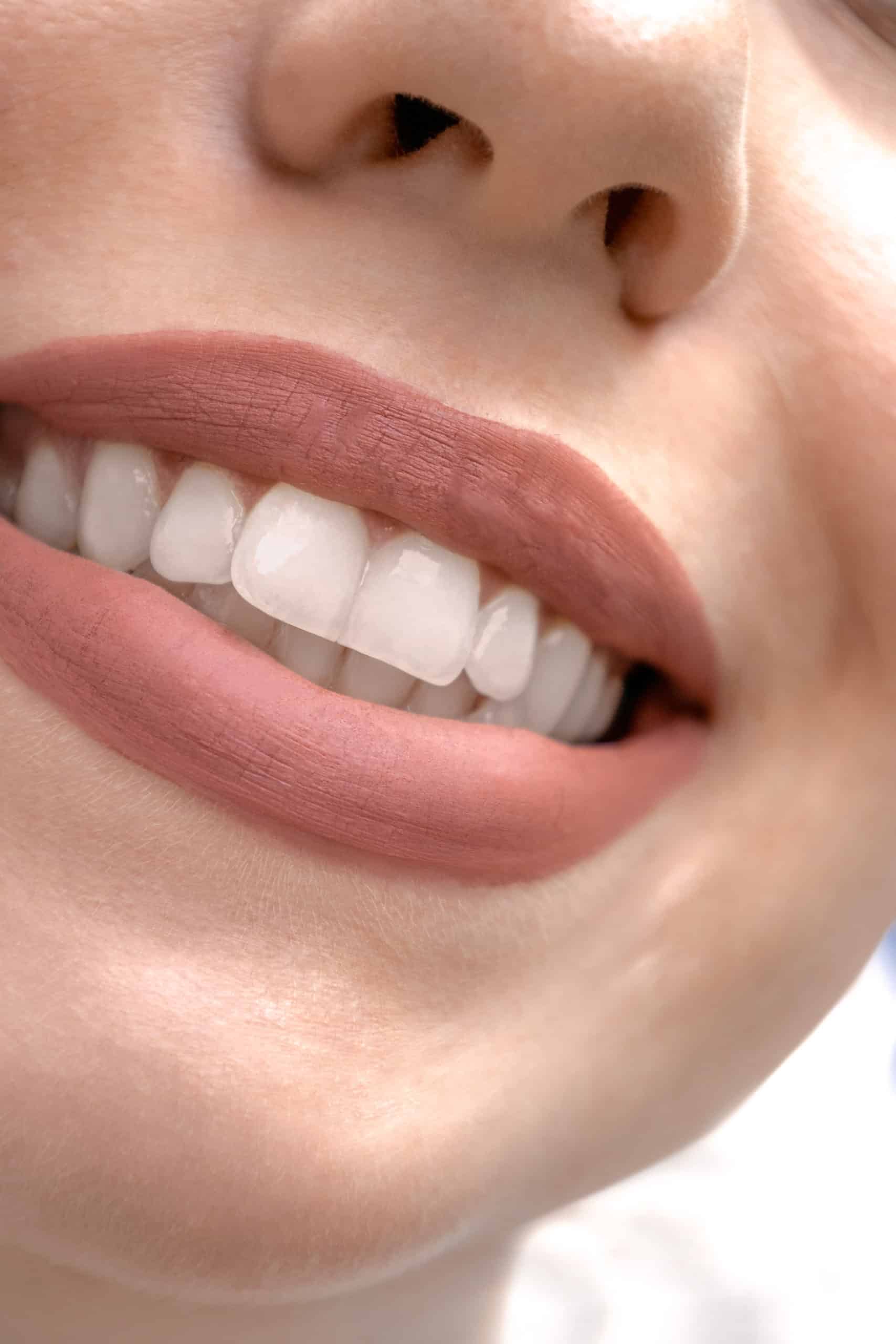
Certain medications taken during childhood can stain enamel gray or brown. Similarly, defects in enamel development can make it thinner, allowing gray or translucent dentin to show through.
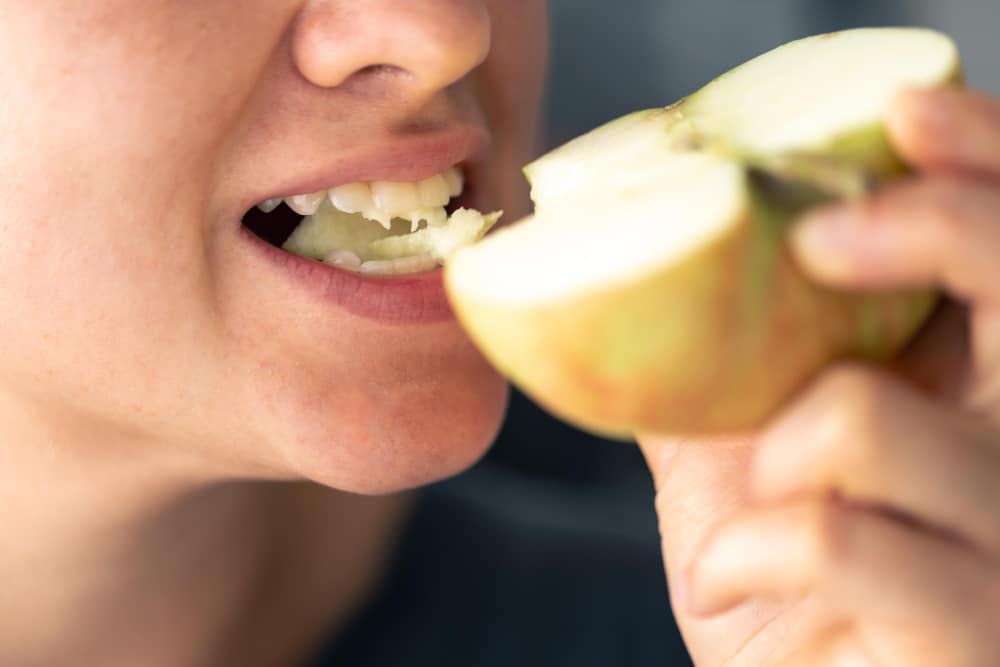
Regular consumption of acidic foods and drinks gradually attacks the enamel by dissolving it. The enamel becomes thinner, giving teeth a translucent appearance. Meanwhile, coloring substances (coffee, tea, red wine, tobacco) can stain the tooth surface and create a superficial grayish hue.
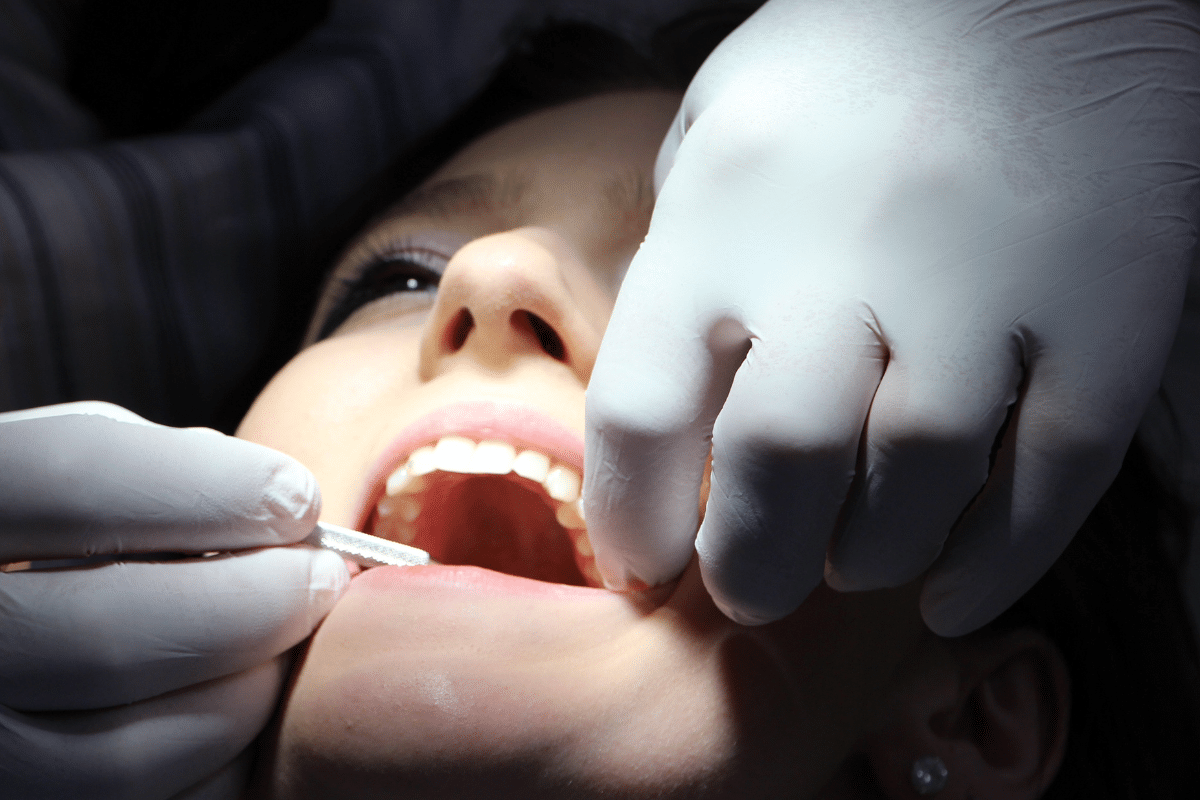
Teeth grinding (bruxism) mechanically wears down enamel and contributes to tooth transparency. Health issues like gastroesophageal reflux or bulimia expose teeth to gastric acids, contributing to enamel erosion. Hyposalivation due to certain medications or illnesses removes the mouth’s natural protection against food acids, promoting enamel wear. Finally, over time, metallic restorations (“fillings”) can release ions that “tattoo” the inside of the tooth, giving it a grayish tint.
A change in the color or structure of your teeth never resolves on its own. Ignoring these signs can lead to severe complications. Timely treatment not only restores aesthetics but also preserves the tooth and your overall health. Professional dental care is necessary if you notice that:


At The Madeleine Dental Practice, located on Boulevard de la Madeleine in Paris, you benefit from effective treatment provided by a multidisciplinary team dedicated to the complete management of your smile’s aesthetics:
Each patient benefits from personalized care provided by experienced dentists. Balancing technical precision and cutting-edge innovations (digital smile design, 3D imaging), our approach guarantees care delivered under optimal conditions, in compliance with the strictest standards.
The treatment for a discolored or worn tooth always depends on its cause and your expectations. The most frequent situations vary according to the source of the problem and the proposed solution.
A past trauma or infection can damage the dental pulp. When it dies, the tooth no longer receives internal nourishment, loses its vitality, and natural color, gradually becoming grayish. Over time, it also becomes more fragile and prone to cracking. A simple external whitening is ineffective, as the coloration comes from within.
The treatment: An internal whitening is recommended. A whitening product is placed inside the tooth to restore its original color. For a weakened tooth, the first step often involves a root canal treatment (devitalization) aimed at cleaning the tooth and preventing infection. A ceramic crown is then placed to provide lasting protection.
Some deep gray shades are embedded within the very structure of the tooth. This case is often linked to the use of antibiotics (tetracyclines) during childhood or genetic anomalies. These discolorations also do not respond to whitening techniques.
The treatment: To durably correct the appearance, the coloration must be masked. Ceramic dental veneers are the recommended solution. These thin ceramic shells, made tailor-made, cover the visible face of the tooth. Otherwise, there are ceramic crowns for already weakened teeth or when the internal shade is very dark.
Transparency appears when the enamel, the outer protective layer of the tooth, thins or weakens. The edges of the teeth then become translucent and brittle. This wear is generally due to acidity or bruxism.
The treatment: The treatment depends on the extent of enamel loss. In cases of slight wear, a thin layer of aesthetic composite can be applied in a single session to restore the surface and opacity of the tooth. When wear is more significant, placing ceramic veneers offers a durable solution, covering the visible face, protecting the remaining enamel, and evening out the color.
Grinding or involuntary clenching of teeth causes generalized premature wear. Teeth become shorter, more transparent, and sensitive. Treating aesthetics without addressing the cause is ineffective.
The treatment: The approach takes place in two steps. The first consists of protecting the teeth with a custom-made occlusal splint to be worn at night, which helps stop the wear. Once this cause is controlled, the second step aims to repair the aesthetic damage with a composite or veneers.
After aesthetic treatment, regular follow-up must be maintained to ensure the longevity of the result. The Madeleine Dental Practice offers customized monitoring, including clinical exams, control radiographies, tailored hygiene advice, and additional treatments if necessary.
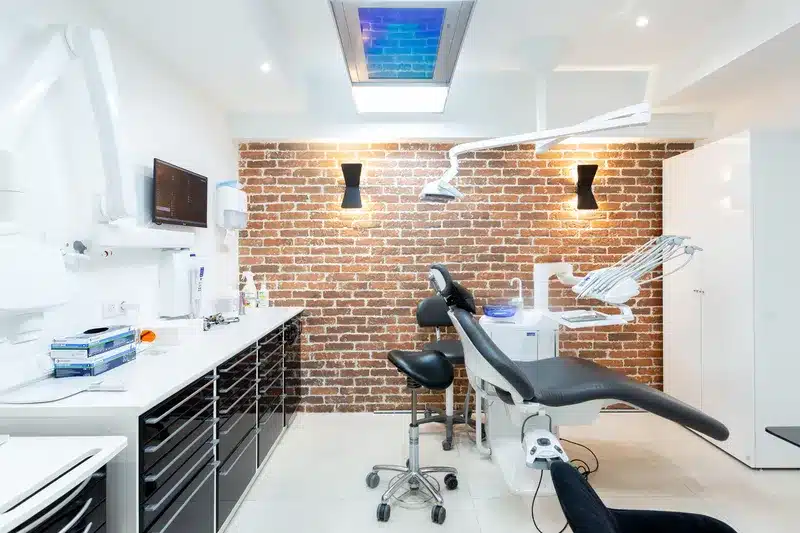
The Madeleine Dental Practice brings together several complementary areas of expertise, such as cosmetic dentistry, endodontics, prosthetics, and orthodontics. Our goal is to provide our patients with comprehensive and personalized care.
Our state-of-the-art technical platform, including 3D imaging, intraoral scanners, and digital smile design tools, allows for precise analysis of dental structure, enamel thickness, and the origins of discoloration. Based on this, we prioritize conservative solutions first, such as remineralization, composites, or internal whitening when indicated. If necessary, we then resort to lasting aesthetic restorations, such as veneers or ceramic crowns.
Each treatment plan aims to restore function, protect the tooth, and achieve a naturally aesthetic result. All this is done in strict compliance with hygiene and sterilization protocols, with a tailored follow-up to ensure the durability of treatments and prevent recurrences.
Prices vary depending on the technique (composite, veneer, crown) and the complexity of the case. Some procedures may be partially reimbursed by social security. However, aesthetic veneers and crowns are often poorly or not covered. For more information, please contact us for a personalized quote after consultation.
A well-done composite can last several years, a veneer or ceramic crown can last several decades if well maintained. Maintenance includes appropriate brushing, dental floss, regular check-ups, and possibly the use of splints if bruxism occurs.
Diagnostic exams and urgent care are possible if necessary. However, some non-urgent aesthetic procedures and X-rays are often postponed until after childbirth.
Yes, but they require coordination between disciplines.
Adopt a few reflexes: reduce acidic drinks and snacking, limit tobacco and coloring agents, correct bruxism (splint), maintain good daily hygiene, and consult regularly for check-ups and early screenings.