Having white teeth is often associated with good dental hygiene. According to a study conducted by the American Academy of Cosmetic Dentistry, 96% of adults believe that an attractive smile enhances social relationships, and 74% of respondents think that an unattractive smile can harm their professional opportunities.
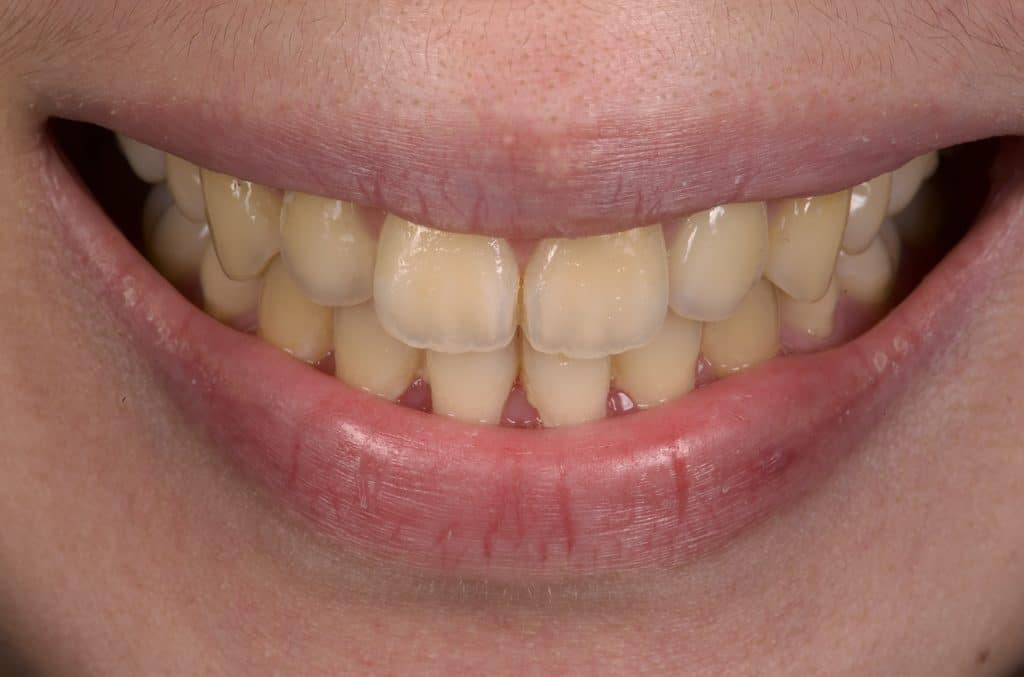
Teeth can lose their shine for a variety of reasons, including the consumption of staining foods and drinks, tobacco, or simply natural aging. Thanks to scientific advancements and innovations in aesthetic dentistry, there are now many proven techniques to whiten teeth. These range from daily hygiene care to professional treatments in practice, offering durable and safe solutions to restore a bright smile.

The natural color of teeth is determined by several biological factors and varies from person to person. Enamel, the external protective layer of teeth, is translucent and partially allows visibility of the dentin underneath. The thickness and quality of the enamel play a major role in the perception of tooth whiteness. The thicker the enamel, the more it reflects light, giving a whiter appearance. Conversely, thinner enamel allows more dentin to show through, a naturally yellowish substance that makes up most of the tooth.
Genetic, environmental factors, and lifestyle habits such as the consumption of coffee, tea, red wine, or smoking can accelerate the yellowing of teeth. Additionally, poor oral hygiene can lead to plaque buildup, making teeth dull and prone to stains.
As we age, enamel tends to wear down due to factors like abrasion from brushing, food acids, or chewing, which further exposes the dentin. Moreover, the mineral composition of the enamel can also affect the shade of teeth, as some people have enamel that is richer in minerals, making it whiter and shinier. Others, on the other hand, have more porous enamel, favoring discoloration and stains.
At The Madeleine Dental Practice, our dentists strongly discourage following “miracle recipes” or using natural solutions without the advice of a dental health professional. Teeth are complex structures that require regular and appropriate monitoring. Although some natural solutions may seem appealing, they are not without risks. Modern dentistry offers today reliable and safe treatments, scientifically validated, to preserve the health and brilliance of your smile. That is why we recommend consulting an expert before changing your dental habits.
Baking soda is a popular ingredient for whitening teeth. It works by removing superficial stains due to its abrasive properties. When used at home, a small amount is mixed with water to create a brushing paste. However, it is essential to use it moderately (no more than once a week) to avoid damaging the enamel.
Lemon juice is sometimes used to whiten teeth due to its acidic properties, but regular use can weaken the enamel and increase dental sensitivity. Therefore, its use is not recommended.
As for activated charcoal, although it absorbs impurities and stains, its abrasive action can also make teeth more sensitive if used too frequently. It is crucial to use these natural remedies cautiously and to discuss them with a dentist to avoid any long-term damage.
Oil pulling, or coconut oil mouth rinse, is an ancient practice from Ayurvedic medicine. It involves swishing coconut oil in the mouth for a few minutes to dislodge bacteria and toxins present on the teeth and gums. Other natural remedies, such as sage or green tea, are often touted for their antibacterial properties, but their effectiveness in oral health is not scientifically proven. It is important not to consider them as substitutes for professional dental care and to prioritize an approach based on research-validated methods.
There’s no secret: a good brushing routine is key to maintaining white and healthy teeth. This goes beyond just technique; it also includes choosing the right toothbrush and the regularity of care. For effective brushing, use a soft toothbrush and brush your teeth for two minutes, two to three times a day, ensuring to reach all dental surfaces, including inter-dental areas. Using an electric toothbrush is recommended as it provides even pressure and a more thorough cleaning, facilitating the removal of plaque and stains.
An effective brushing routine should be accompanied by a whitening toothpaste, such as those containing mild abrasive agents or specific chemicals that dissolve superficial stains. Whitening toothpastes can be effective in restoring the whiteness of your teeth, but it is advisable to alternate their use with a regular toothpaste. This alternation helps prevent the weakening of the enamel while maximizing cleaning effectiveness. By incorporating the right products into your routine, you ensure optimal oral hygiene while preserving your enamel health.
Dental floss and mouthwash play a crucial role in preventing plaque buildup and stains between teeth. Flossing allows you to reach difficult areas where a toothbrush cannot effectively clean, thereby eliminating food residues and the plaque that can accumulate between teeth. By using it daily, you reduce the risk of cavities and gum disease while preserving the whiteness of your smile.
As for mouthwashes, they complement your oral hygiene routine by providing additional protection. Some mouthwashes contain antibacterial agents that help reduce plaque, combat bacteria responsible for bad breath, and freshen breath. Moreover, they may include specific ingredients for whitening, thus contributing to maintaining overall good oral hygiene while preserving the shine of your teeth. Integrating these practices into your daily routine allows you to maintain a bright and healthy smile.
Professional whitening treatments performed in a dental office are known for their safety and effectiveness, offering quick and lasting results. These procedures are generally carried out by qualified dentists, ensuring that each step is performed with care and precision.
In a dental office, you can utilize several advanced techniques, such as laser whitening or the application of gels containing hydrogen peroxide. Hydrogen peroxide is a powerful whitening agent that works by penetrating the enamel and dentin, breaking down the molecules responsible for stains and discoloration. This method allows for the lightening of the shade of the teeth. The number of sessions varies depending on the intensity of the discoloration and the desired results.
The laser teeth whitening utilizes a special light to activate the whitening gel applied to your teeth.
At-home whitening gels are applied using custom trays, made to measure by your dentist to ensure a perfect fit. These gels contain higher concentrations of hydrogen peroxide than over-the-counter products, thus guaranteeing effective results. During your consultation, your dentist will select the appropriate gel based on the shade of your teeth and your dental sensitivity, and will provide instructions on the duration and frequency of use of the trays.
This at-home whitening method offers flexibility, allowing you to improve the whiteness of your smile at your own pace while benefiting from professional follow-up. With the uniform application of the gel, you can achieve visible and lasting results while minimizing the risk of dental sensitivity.
After the tooth whitening treatment, your dentist will give you advice on how to care for your teeth to maintain their whiteness. This includes recommendations on oral hygiene, foods to avoid in the days following the whitening, as well as maintenance products to prolong the results.
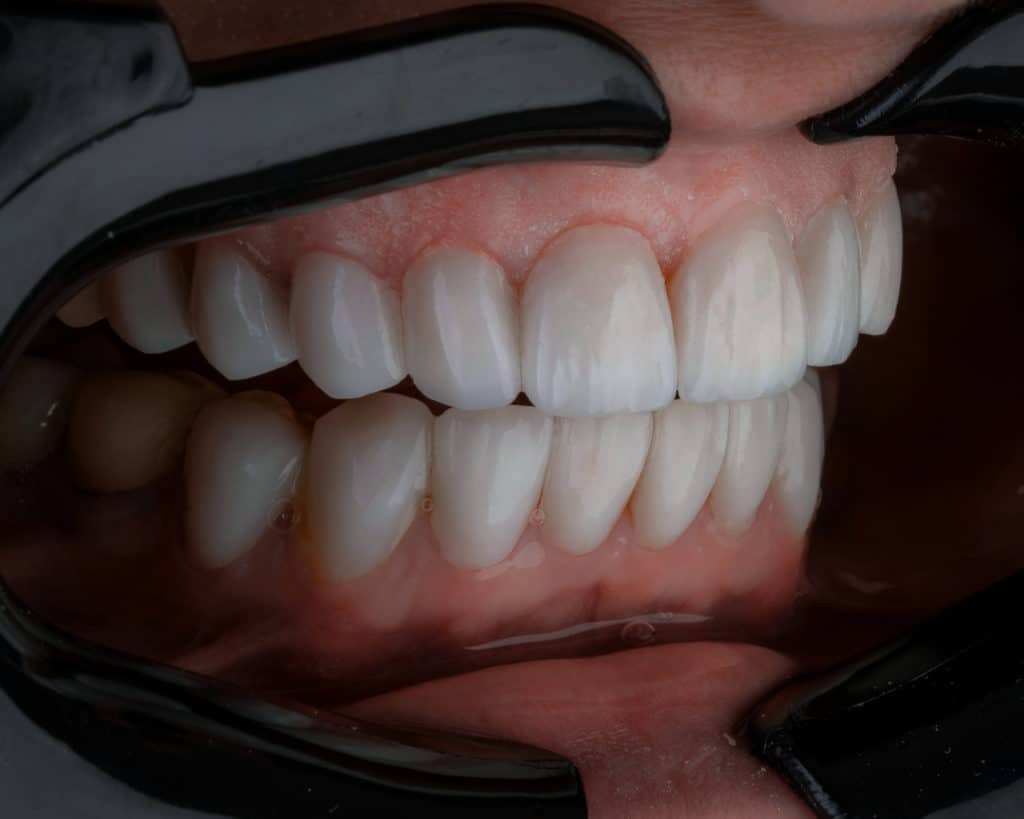
These fine porcelain or composite resin shells are custom designed to fit the shape and color of your teeth, allowing imperfections such as stains, cracks, or misalignments to be concealed. In addition to improving the appearance of your teeth, veneers offer a solution to regain a brilliant whiteness and a harmonious smile, while being resistant to stains and wear.
The application of dental veneers requires a prior consultation to assess your specific needs. During this initial meeting, your dentist will conduct a thorough clinical examination and can advise you on the best treatment options. Careful preparation of your teeth must be carried out to ensure a good fit for the veneers. Subsequently, impressions will be taken to create custom veneers, ensuring a natural and aesthetic result. Finally, the placement of the veneers is generally done in two appointments: the first to prepare your teeth and the second to bond the veneers in place with a special adhesive.
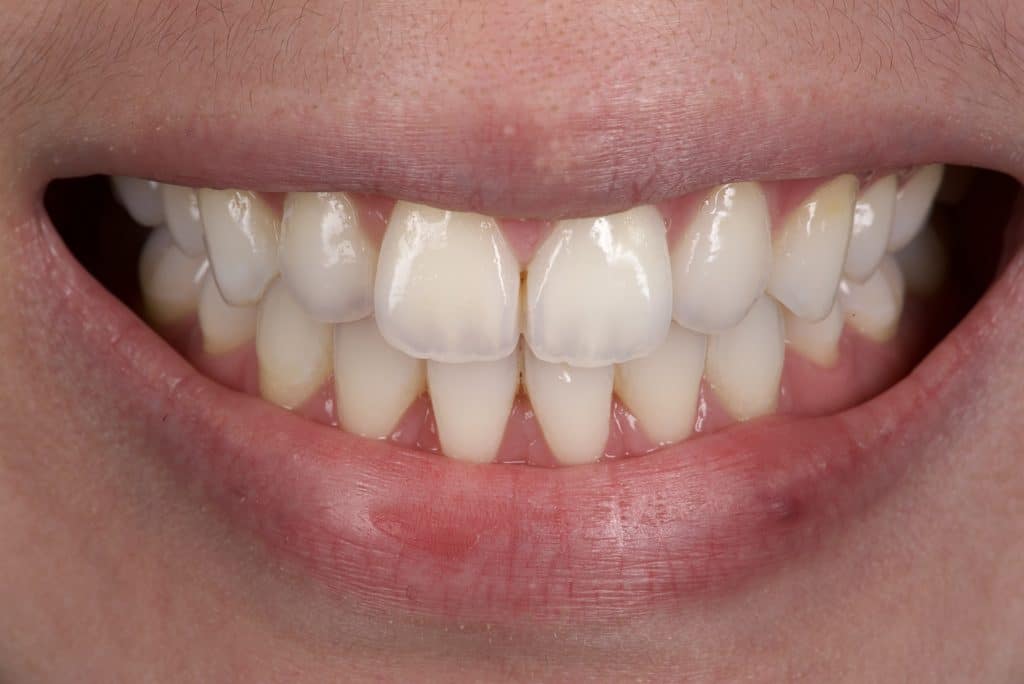
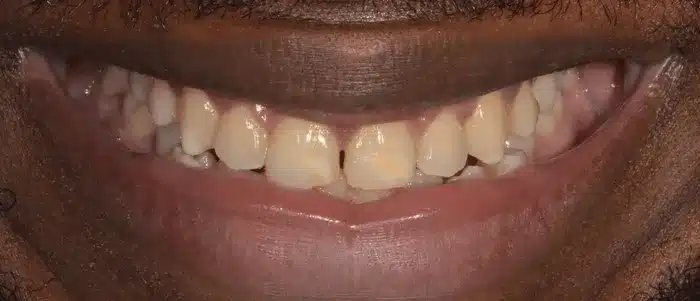
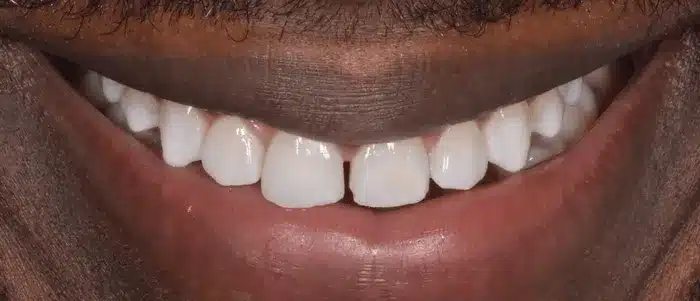
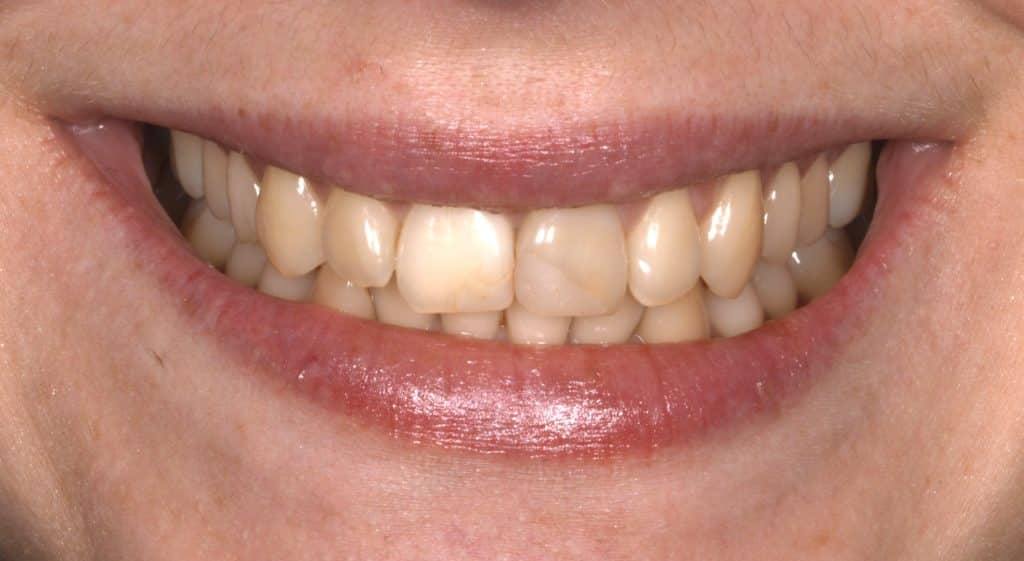
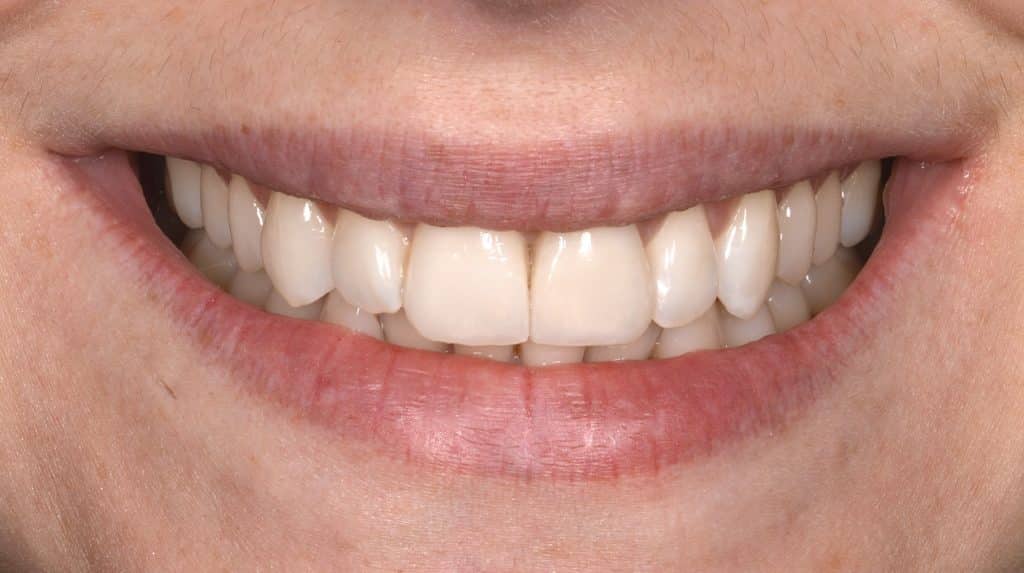
Dentist Teeth Whitening Paris
Our practitioners are here to advise you!
Some foods and drinks are known to stain teeth. Coffee, tea, red wine, berries, and dark sauces should be consumed in moderation. Drinking through a straw can help limit contact of these liquids with your teeth.
To maintain white and healthy teeth, a professional cleaning at your dentist every six months is essential. This procedure helps remove plaque and tartar that can dull the natural shine of your teeth, while preventing dental issues like cavities and gum disease. Additionally, adopt a daily routine that includes flossing and using whitening toothpaste to prolong results and maintain optimal oral hygiene.
At The Madeleine Dental Practice, our dentists use proven methods for fast and lasting results while preserving your enamel health. Moreover, each patient benefits from a personalized consultation, where we assess your specific needs and recommend the treatment most suited to you.
By choosing our dental practice in Paris, you opt for a warm and professional environment, where your comfort and satisfaction are our priority.
Dentist Teeth Whitening Paris
Make an appointment today to discover how we can help you achieve whiter teeth.