
The gaps between teeth are loved… or we’d like to get rid of them. For some, it’s a sign of unique charm; for others, a daily complex. It’s all a matter of perspective. At the Madeleine Dental Practice, we offer solutions tailored to your desires: keep this particularity that defines your style or correct it for a confident, aligned smile.
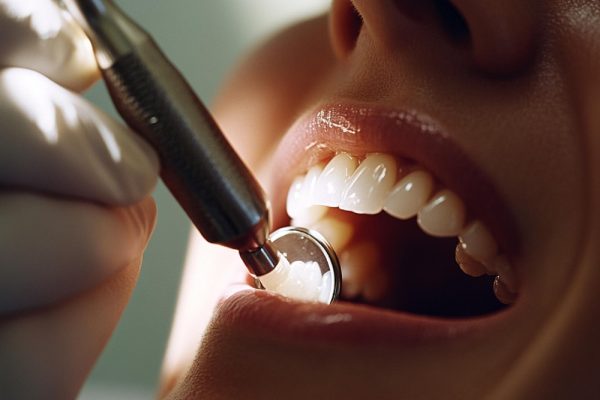
The term refers to a space, or diastema, visible between two teeth. It is most often found between the two upper incisors. The causes are varied:
The term refers to a space, or diastema, visible between two teeth. It is most often found between the two upper incisors. The causes are varied:
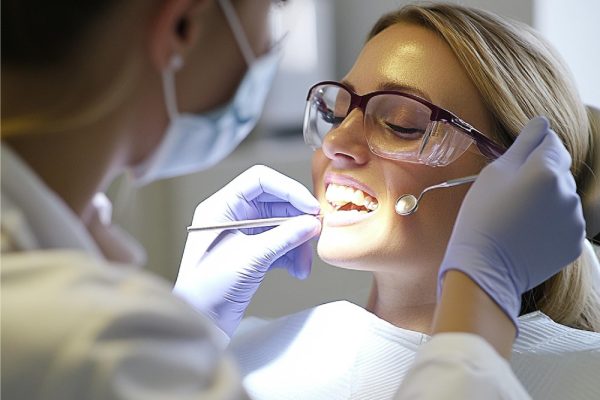
The desire for an aligned smile is often the main motivation. It’s to feel more comfortable with one’s appearance and regain full self-confidence. Additionally, correcting a diastema can improve chewing, speech, and gum health if the space is linked to periodontitis.
Has your gap been present since childhood, or has it developed over time? Several customized solutions exist to meet your specific needs.

Veneers are thin shells bonded to the visible surface of the teeth. This is a solution for a quick aesthetic transformation when the diastema is mild or moderate.
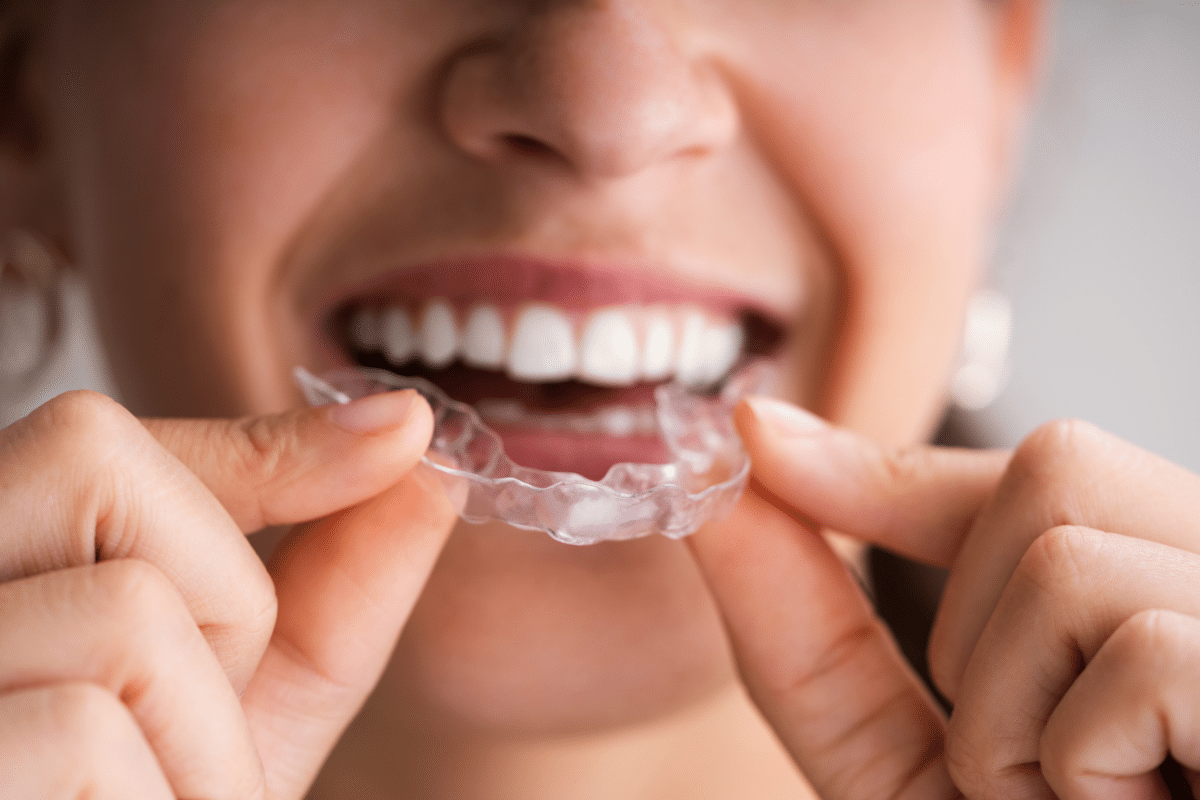
This involves a series of removable clear trays that gradually move the teeth.
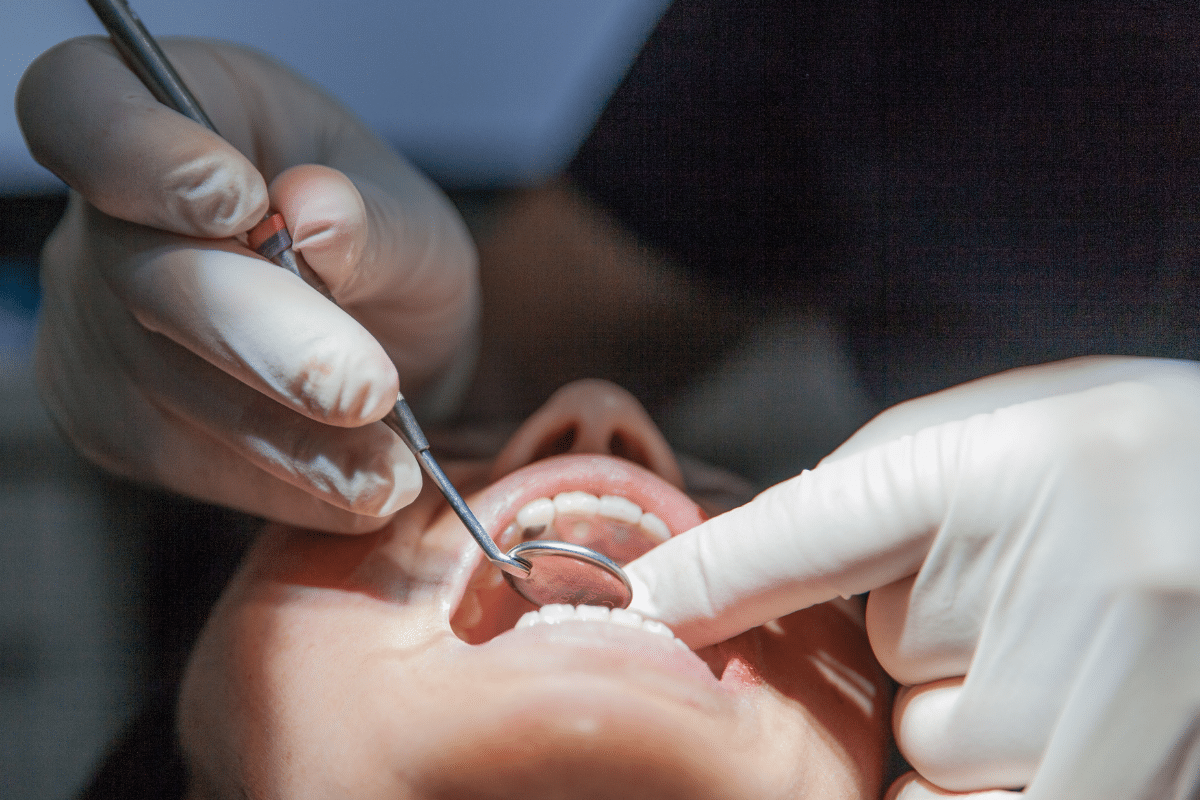
The brackets bonded to the teeth are connected by a metal arch to guide the movement of the teeth.
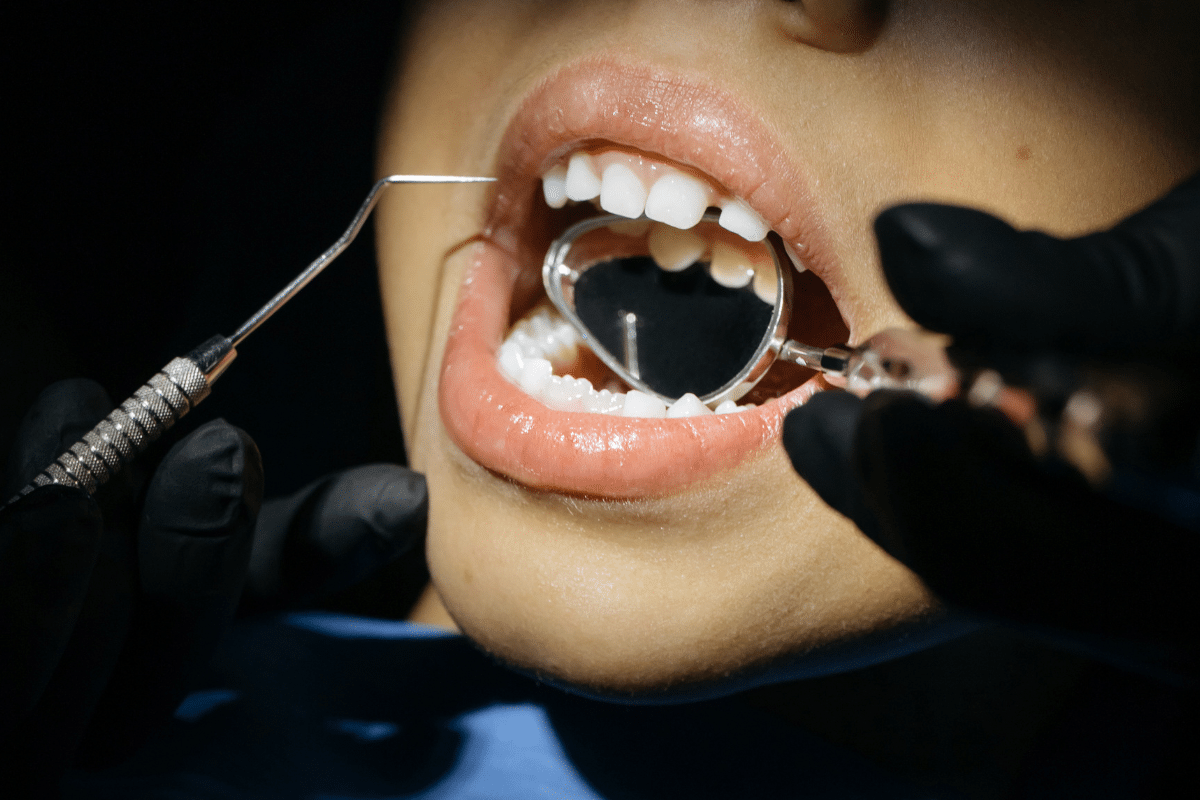
Sometimes, the cause of the diastema is an excessively strong labial frenum (the tissue connecting the lip to the gum). It must be corrected before closing the space.

An implant is an artificial titanium root inserted into the jawbone to support a crown. It is the most durable and conservative solution for adjacent teeth.

The bridge replaces a missing tooth by relying on the two adjacent teeth, which serve as pillars.
The choice of treatment depends on several criteria: the cause of the space (natural diastema or missing tooth), its size, the health of your teeth and gums, your aesthetic expectations, and your budget.
It is mandatory to schedule an initial consultation with a dentist. After a complete examination, they can provide a personalized diagnosis and guide you toward the most suitable solution.
This first step allows the practitioner to assess the clinical situation, conduct necessary examinations (X-rays, 3D scans), and discuss your expectations.
Based on the diagnosis, the dentist proposes the possible solutions and gives you a detailed treatment plan along with a quote.
Depending on the chosen technique, the treatment unfolds in one or several stages: placement of veneers, beginning of orthodontic treatment, implant surgery, etc.
Once the treatment is complete, a follow-up must be established. For orthodontics, retention is essential. For prostheses (veneers, crowns), regular check-up visits ensure their longevity.
The cost of correcting a diastema depends on the chosen solution. At the Madeleine Dental Practice in Paris, we commit to total transparency. Here are the indicative prices for the treatments involved.
| Solution | Indicative Price |
|---|---|
| Composite bonding (per tooth) | €200 — €450/tooth |
| Ceramic dental veneer (per veneer) | €1,200 – €1,800/veneer |
| Aligner treatment (full treatment) | €2,500 – €6,000 (full treatment) Orthodontic assessment: €180 (not included) |
| Dental implant (implant placement) | €1,000 (implant only) |
| Crown on implant | €1,200 – €1,700/crown |
| Bone graft (if necessary) | €600 – €4,500 |
Amounts may vary depending on materials, complexity, presence of comorbidities, and associated services. A personalized quote will be provided after your consultation.
Some health insurances and mutuals may cover part of the costs, particularly for orthodontic treatments or prostheses. Payment facilities may also be offered at the Madeleine Dental Practice. Don’t hesitate to ask for information.
Want a more confident smile? Our practitioners offer a personalized assessment and tailored advice.
Veneers and composite bonding are the quickest solutions, offering results in 1 to 3 sessions. However, they are only indicated for aesthetic reasons and for limited diastemas.
In orthodontics, wearing a retainer helps keep the teeth well in place after treatment. Veneers, bridges, and implants have an excellent lifespan (10-15 years and more) with good hygiene and regular follow-up.
Not always. This solution is only necessary if the labial frenum is the main cause of the gap’s persistence.
Most treatments are minimally or not painful. Minor surgical procedures are performed under local anesthesia, and recovery is short.
For an isolated diastema, the duration can be short (a few months), but it varies depending on the size of the gap and occlusal complexity.