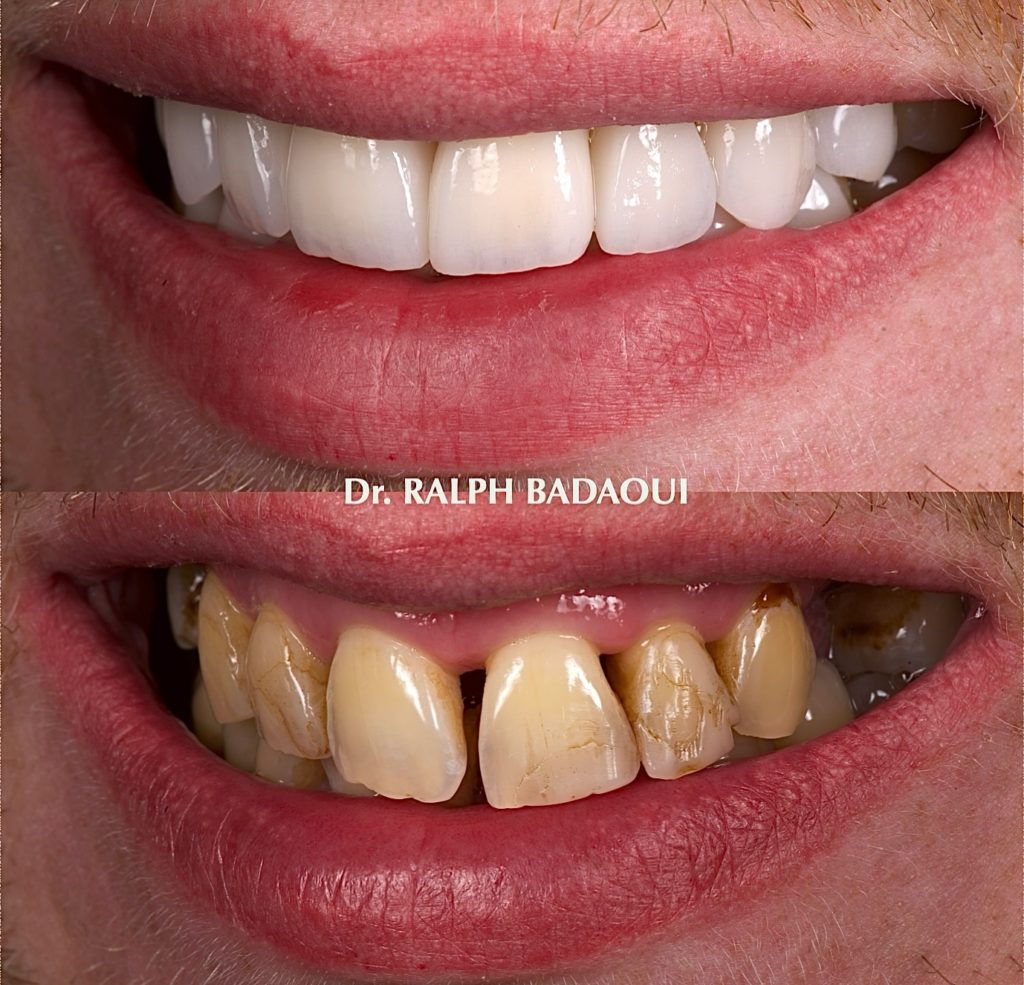
Reconstructing all your teeth is a decision that combines aesthetics and well-being. Whether you wish to replace damaged teeth, get implants, or opt for dentures, there are now effective and durable solutions to restore the splendor of your smile. Thanks to advanced techniques such as implants, bridges, or crowns, you can not only improve the appearance of your teeth but also strengthen your jaw and optimize chewing. Each patient’s needs are unique, which is why it is important to offer personalized treatment that can transform your daily life, both functionally and aesthetically.
Reconstructing all your teeth is not just a question of aesthetics.
This treatment plays a crucial role in restoring the essential functions of the mouth, such as chewing and digestion, often impaired by missing or damaged teeth. In addition to improving oral health, reconstructing your teeth allows you to regain daily comfort while restoring confidence in your appearance. Whether due to an illness, an accident, or to correct imperfections, several tailored solutions exist to address the specific needs of each patient, considering bone density, jaw structure, and aesthetic expectations.
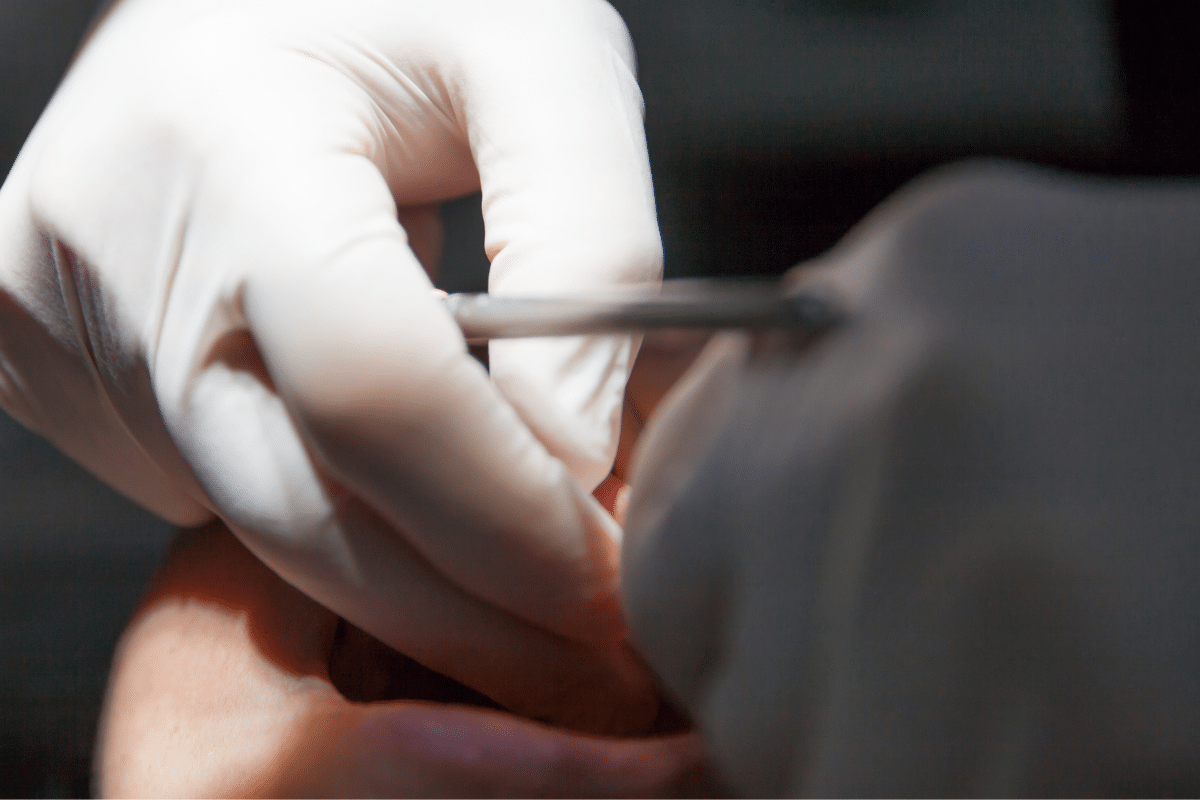
Dental implants represent a durable solution for replacing all teeth. This treatment involves anchoring an artificial root in the jawbone, allowing for the support of a crown or bridge.
Strong, aesthetic, fixed solution, perfectly mimics a natural tooth.
Surgical placement, bone integration, followed by placement of the prosthesis. This treatment is indicated for patients who have a
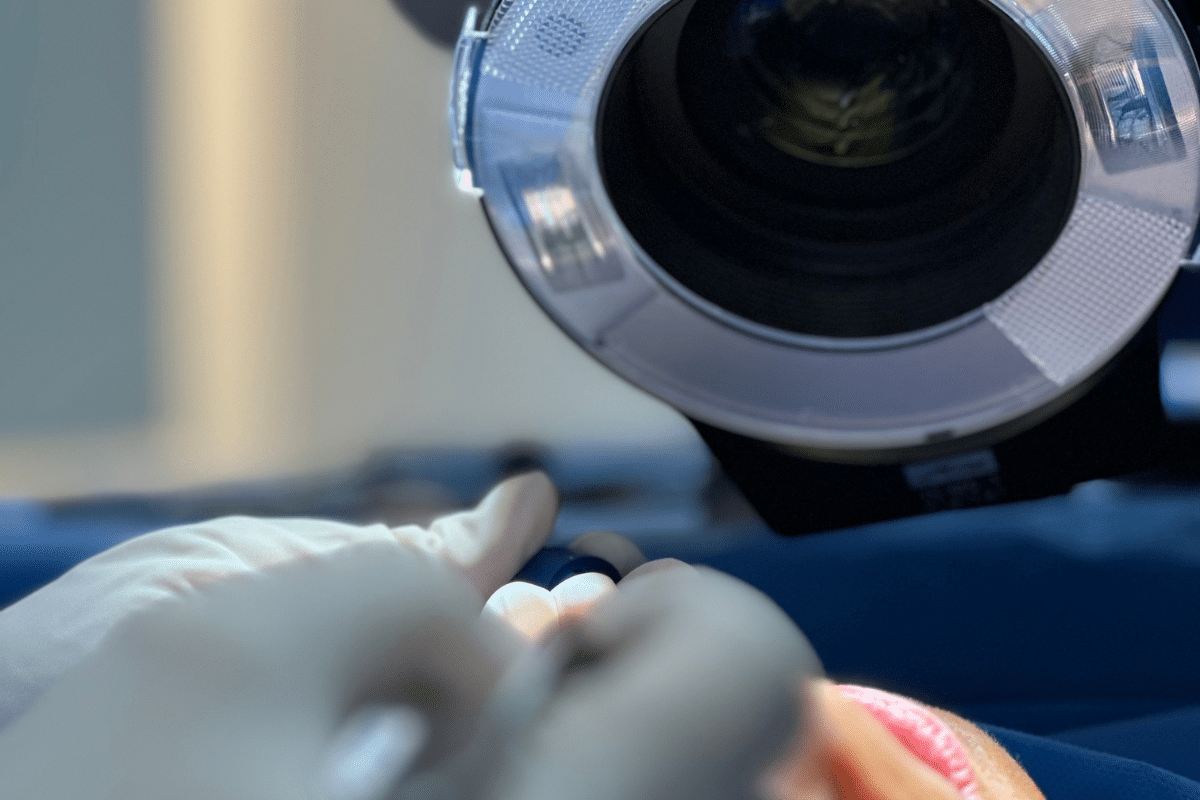
Bone grafting is an essential preliminary step for certain patients wishing to undergo dental implants. This treatment involves strengthening or reconstructing the jawbone, thereby providing stable and durable support for an implant.
Strengthens the bone structure, allows for implant placement, essential in cases of bone resorption.
Natural bone graft or synthetic material, bone integration, followed by preparation for implant placement. This treatment is indicated for patients with insufficient or weakened jawbone, requiring reinforcement before implant surgery.

A bridge is a solution that involves placing a prosthesis on adjacent teeth to replace one or more missing teeth.
Quick, aesthetic, and fixed solution that restores chewing function and improves the appearance of the smile.
The bridge is custom-made in a laboratory from a dental impression. It is then cemented onto the supporting teeth after being adjusted for a perfect alignment. There are several types of bridges, such as the traditional bridge, the bonded bridge (or Maryland) which is less invasive, and the implant-supported bridge, used when adjacent teeth cannot support the prosthesis.
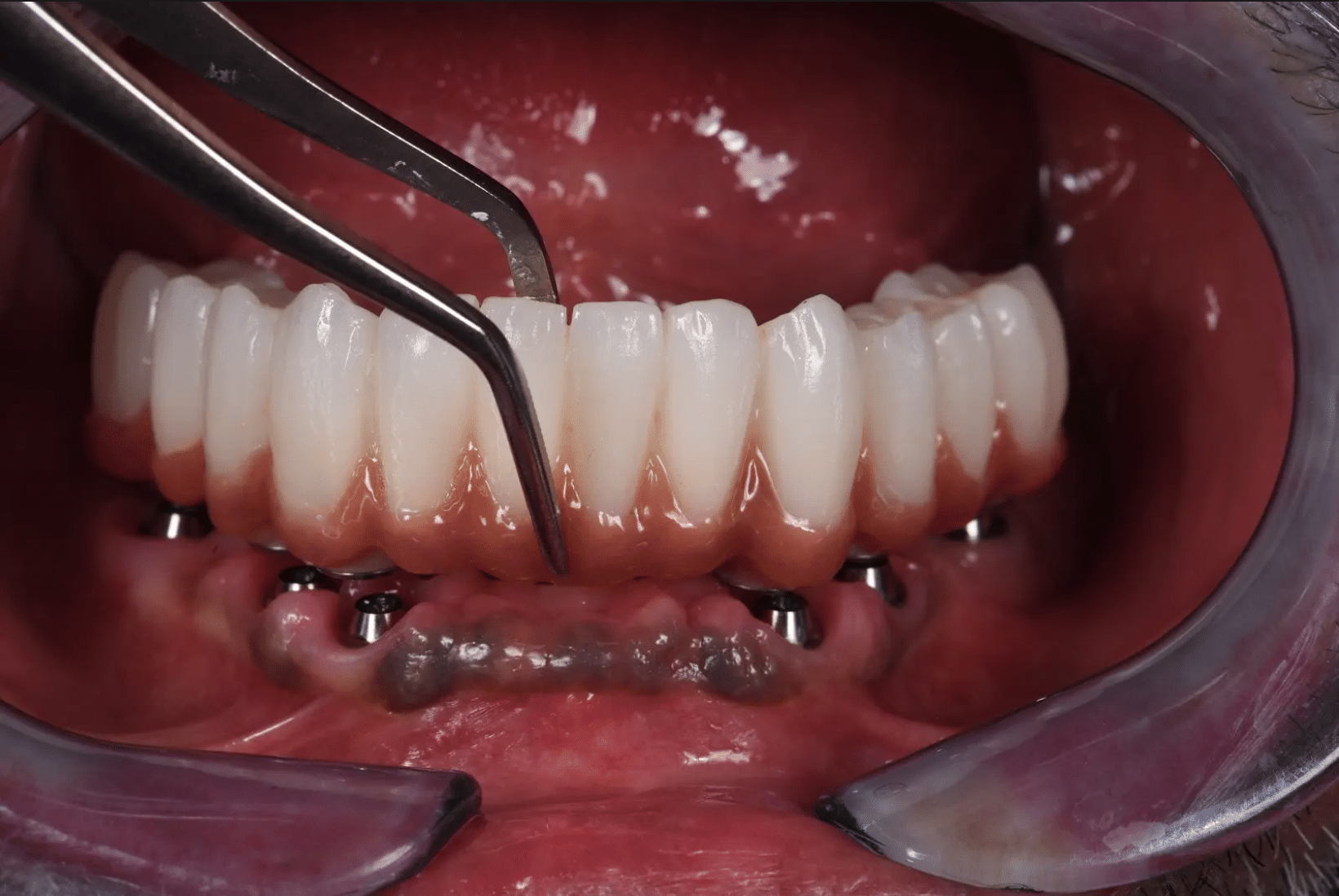
Ideal for edentulous arches or those undergoing tooth loss, the All on 4 and all on 6 treatments are designed to replace a complete arch of teeth with a complete bridge on implants.
Rapid restoration, fixed solution, and preservation of the jawbone. For example, the All-on-4 uses four implants to support a complete prosthesis.
Implant placement is generally done in one session, allowing for immediate fixation of the prosthesis.
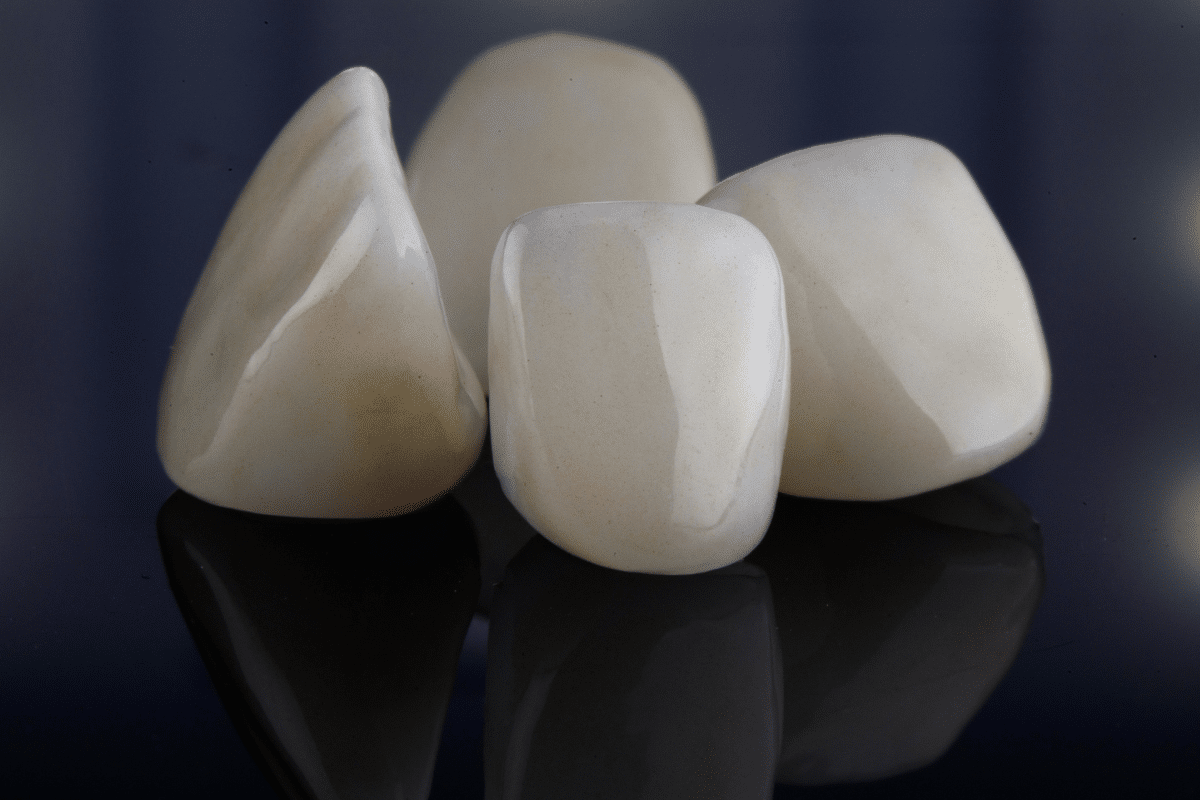
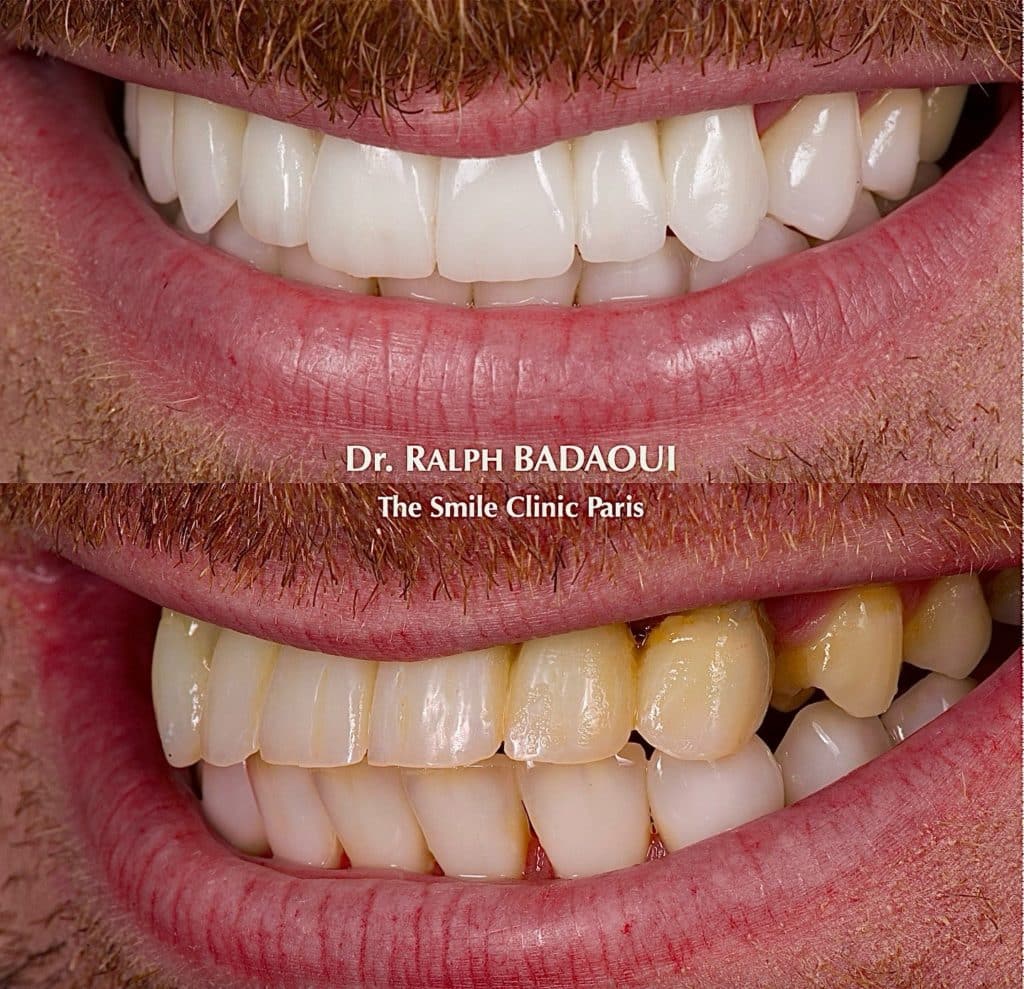
Dental crowns are fixed prostheses that completely cover a damaged or non-vital tooth, providing protection and improved aesthetics.
Restores chewing function, protects fragile teeth, and enhances the appearance of the smile. They can last several years with proper maintenance.
The procedure begins with the preparation of the tooth, followed by taking an impression to create a custom crown. While waiting for the permanent crown, a temporary crown may be placed. Crowns can be made of metal, ceramic, or composite resin, depending on aesthetic and functional needs.
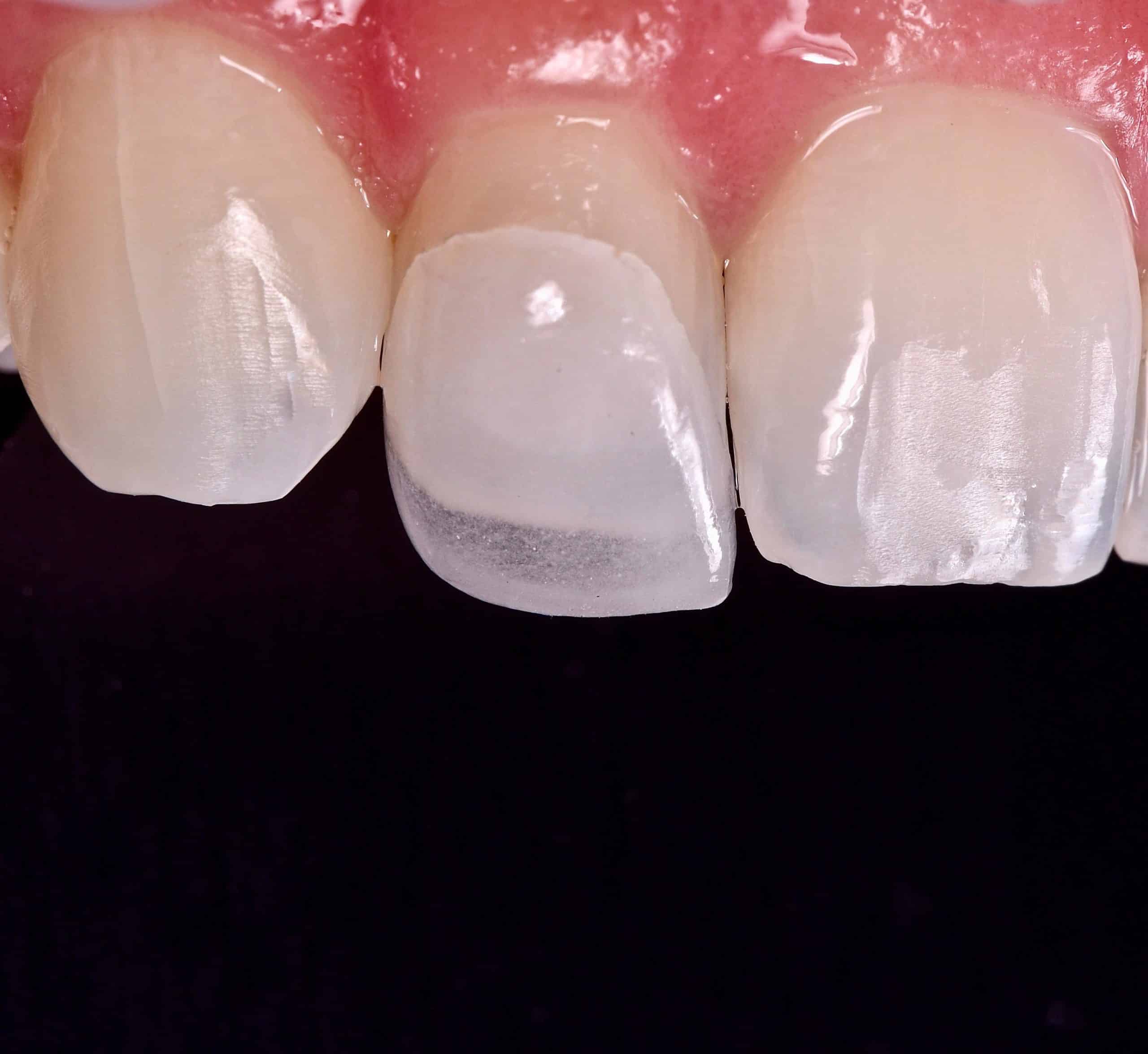
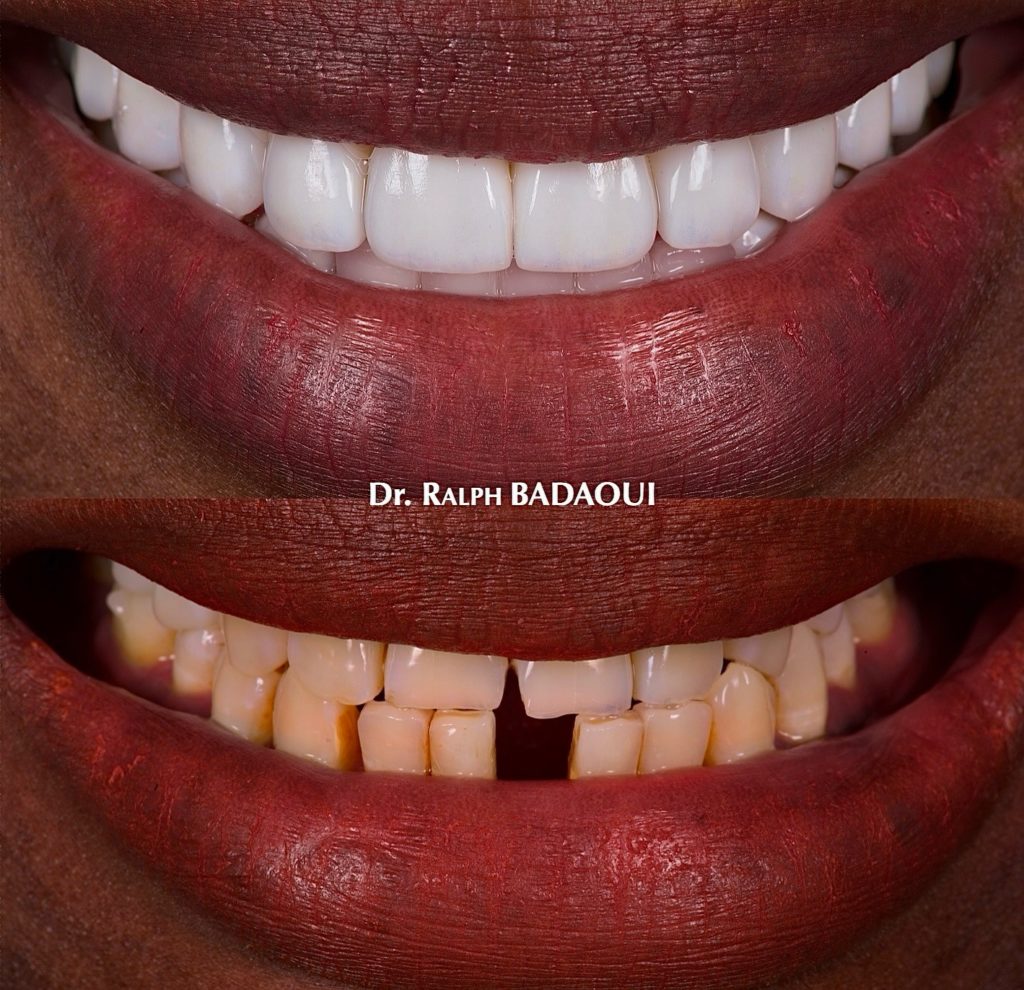
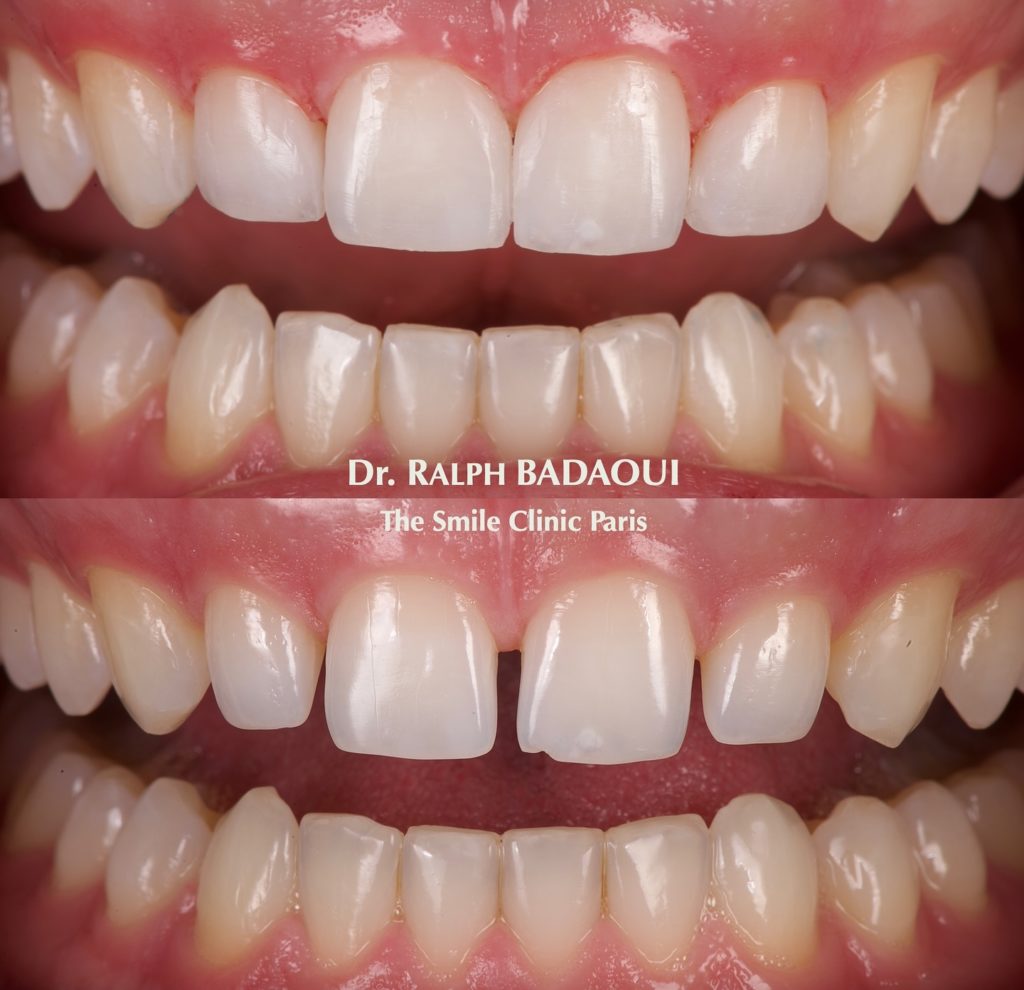
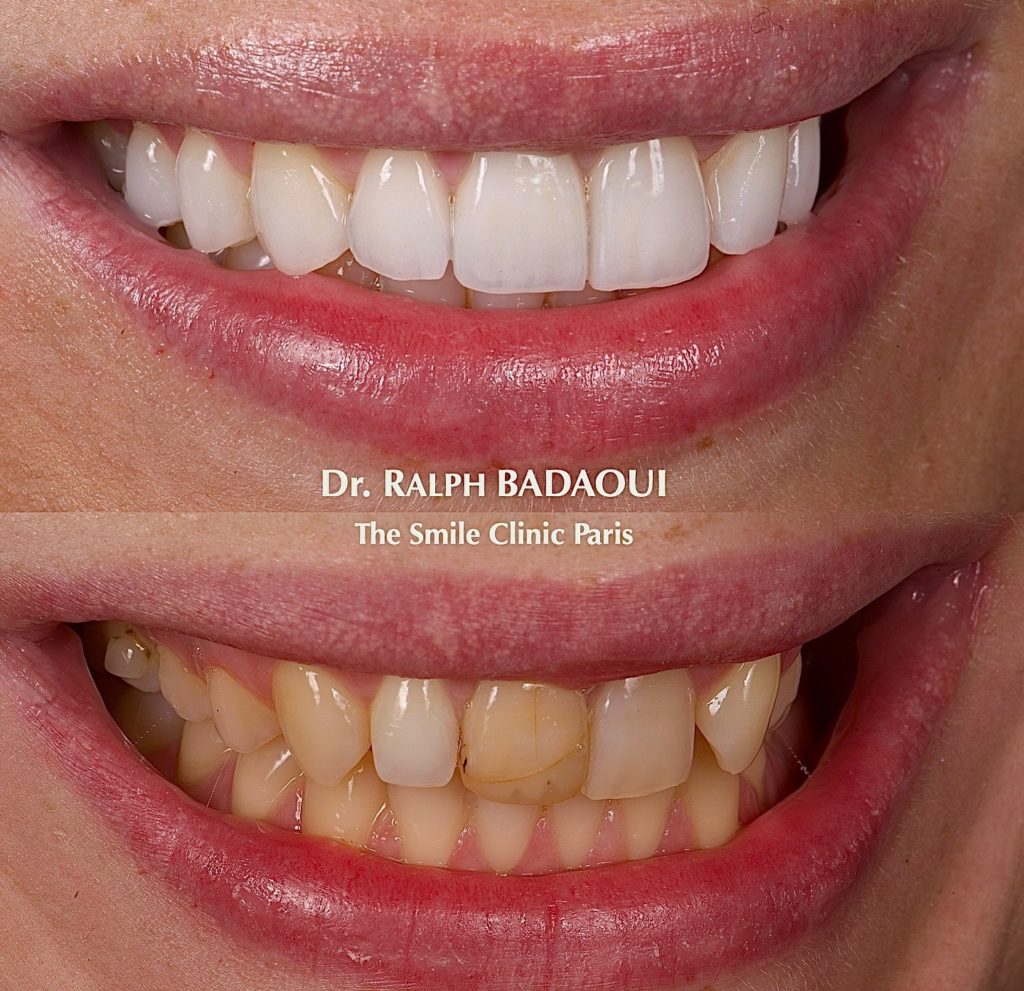
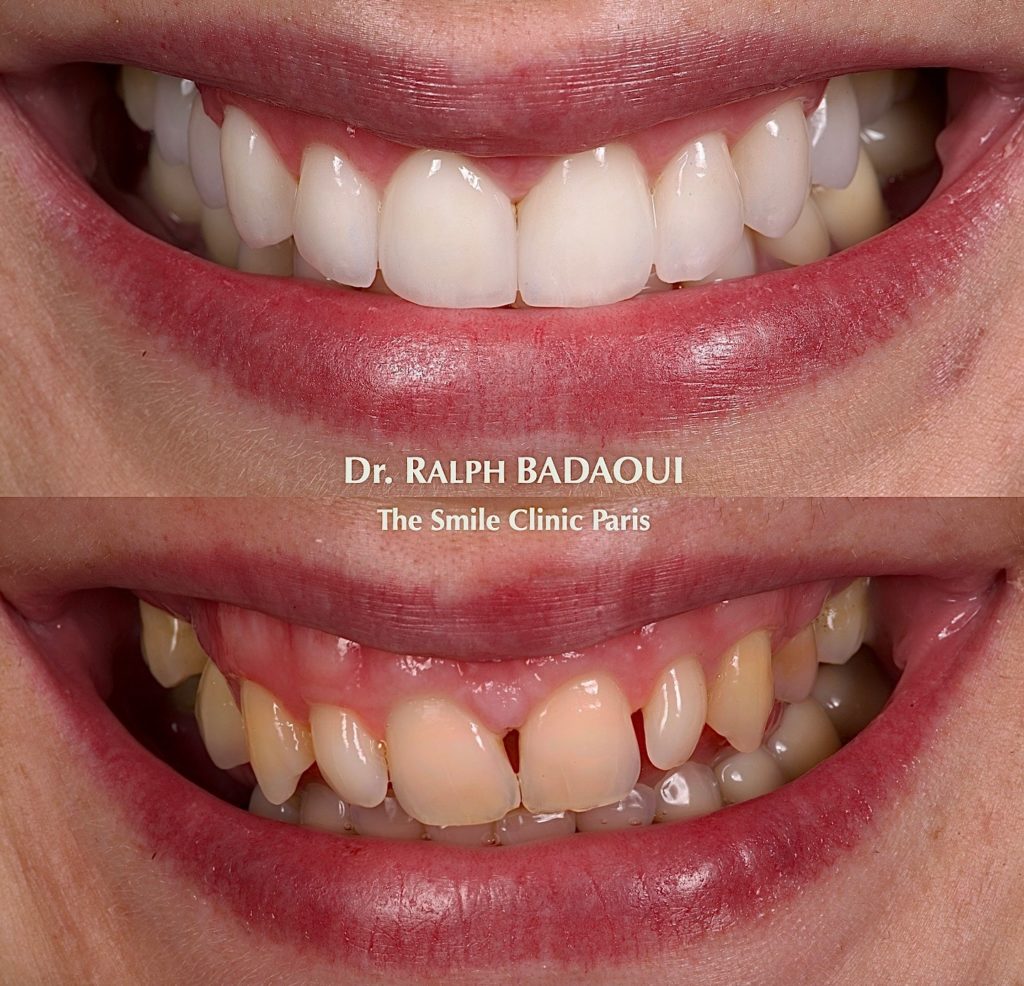
Dental veneers are thin shells made of porcelain or composite resin that are bonded to the front surface of teeth to correct aesthetic imperfections.
Quick solution to improve the color, shape, and size of teeth, very natural-looking results, preservation of tooth structure. Veneers are ideal for slightly misaligned or discolored teeth.
The application of veneers begins with a dental examination and the taking of impressions. A slight abrasion of the enamel may be necessary to ensure a proper fit. The veneers are then custom-made and bonded using a special adhesive, ensuring their durability and aesthetics.
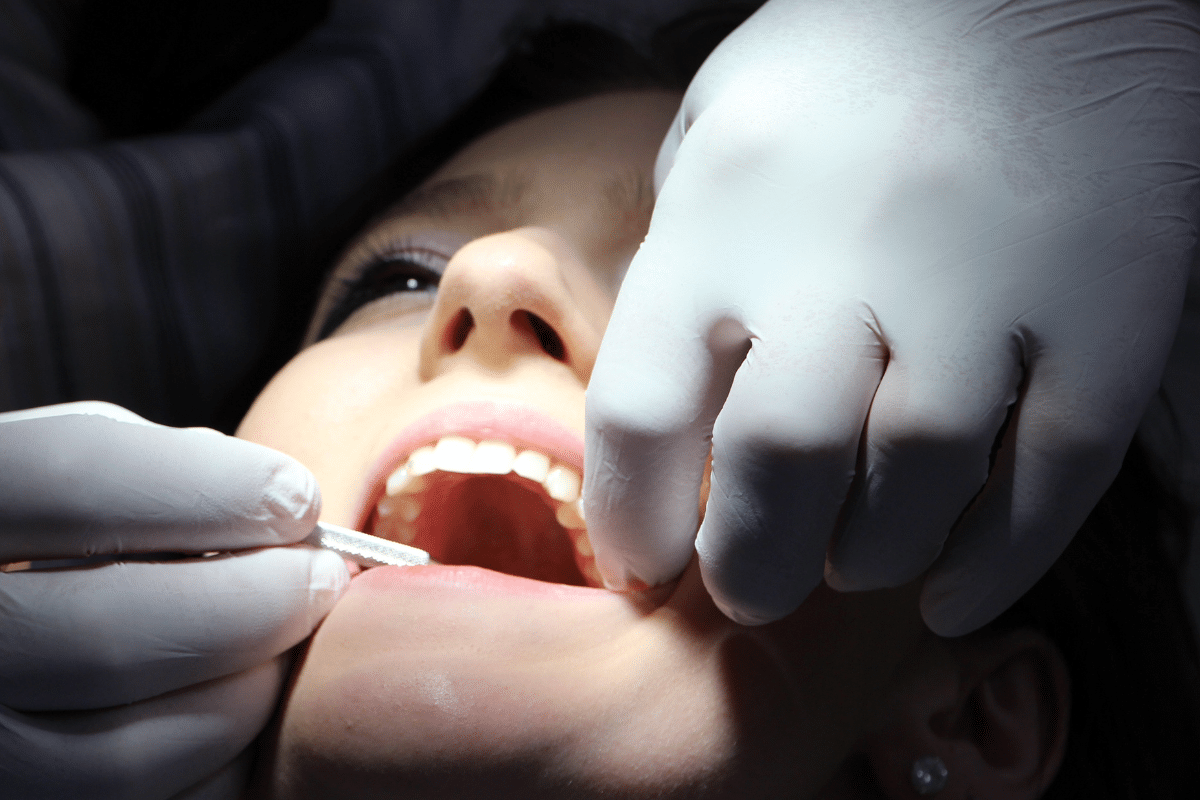
Removable dentures, also known as dental appliances, are devices that replace one or more missing teeth and can be easily removed for cleaning.
Cost-effective solution, improves chewing function, and can be quickly fabricated. They are suitable for patients who cannot or do not wish to undergo dental surgery.
The procedure begins with a consultation and impressions of the jaw. Once the denture is fabricated, it is adjusted to ensure comfort and functionality. Dentures can be complete (replacing all teeth) or partial (replacing some teeth), and are often made from acrylic or resin.
The choice of treatment depends on several criteria, including the condition of your teeth, the density of your bone, and your expectations regarding aesthetics and comfort. It is necessary to make an appointment for a preliminary consultation with a dentist to conduct a personalized diagnosis. After a thorough examination, they will advise you on the best solution.
This first step allows the practitioner to evaluate the state of the jaw, teeth, and gums. It is also the time to discuss the patient’s expectations.
Based on the diagnosis, the dentist proposes several possible solutions, taking into account the budget and available time.
Depending on the chosen technique, the placement of implants, bridges, or removable dentures occurs in several stages, including surgery (for implants), fabrication of prostheses and adjustments.
Once the treatment is completed, regular check-up visits are essential to ensure the longevity of the treatment.
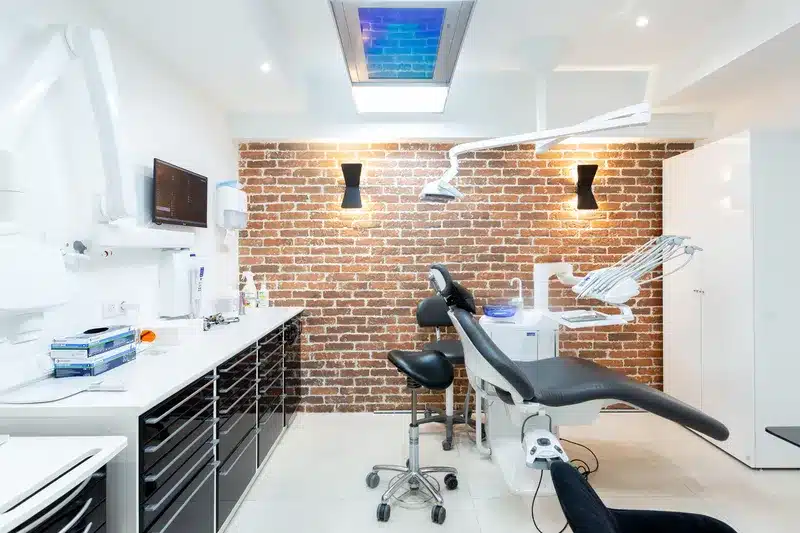
The cost of complete dental rehabilitation varies depending on the techniques used (implants, bridges, removable dentures) and the materials chosen (ceramic, zirconium). Dental implants, for instance, are generally more expensive, while removable dentures are more accessible. It is recommended to request a personalized estimate from your dentist to better budget this procedure.
Some health insurance plans may cover part of the costs, particularly for implants and dentures. Payment plans may also be offered at the Madeleine Dental Practice.
More and more patients are choosing to get their teeth done abroad, attracted by often lower prices in countries like Turkey, Morocco, or Hungary. While these destinations offer attractive rates for dental treatments, it is recommended to carefully select the pratical and verify the reputation of the practitioners.
Before making a decision, consider not only the cost but also the quality of care. Differences in health standards, technologies used, and the experience of professionals can lead to complications.
Additionally, post-operative follow-up is often neglected, which can pose problems upon your return. In case of complications, the distance may make access to necessary care difficult, leading to prolonged pain and additional costs for corrective treatments. Therefore, even if the savings may seem appealing, one must weigh the pros and cons and ensure adequate medical follow-up before committing to dental treatment abroad.
Adopting good oral hygiene (regular brushing, dental floss), following the dentist’s advice, and having annual check-ups… are essential to ensure the durability of dental treatments.
Some techniques like the ‘All-on’ allow for the placement of several implants and prostheses in a single session, but it all depends on the patient’s clinical situation.
Procedures are performed under local anesthesia, making the process painless. After the implants are placed, one may experience slight discomfort, but it is generally well controlled with pain relief medication.
There is no ‘ideal age’ or ‘limit age’ as long as the condition of the jaw and gums allows for the placement of prostheses or implants. A consultation with a dentist is essential to assess the feasibility of the treatment.