Speech is a central element of human communication, relying on a complex synergy between breathing, phonation, and articulation. When one of these links is flawed, speech difficulties arise, affecting clarity of speech, self-confidence, and social or professional relationships.
This is why the Madeleine Dental Practice offers comprehensive care, combining dental expertise, 3D technologies, and speech therapy rehabilitation, to help everyone regain clear and confident speech.
Speech difficulties encompass three major categories of disorders:
substitutions (e.g. 's' becomes 'ch'), omissions, or distortions of phonemes, affecting 6-8% of school-aged children in France.
Repetitions, prolongations, or syllabic blocks, which persist in 1% of adults.
Alterations in timbre, intensity, or vocal quality, affecting 6.6% of adults under 65.
These disorders can be present from early childhood or occur secondarily, related to dental interventions, neurological disorders, or psychosocial factors.
To limit the consequences associated with speech difficulties, it is recommended to consult a specialist as soon as the first signs appear. Without appropriate care, the patient may face various complications:
An articulation disorder not addressed before the age of 4 can delay learning and lead to a sense of academic failure.
unclear speech or persistent stuttering limit public speaking, hinder professional integration, and can lead to isolation and anxiety.
chronic dysphonia can progress to vocal nodules or vocal fatigue, requiring more invasive interventions.
unchecked malocclusions or poorly fitting prosthetics can worsen speech disorders and expose one to functional and aesthetic complications.
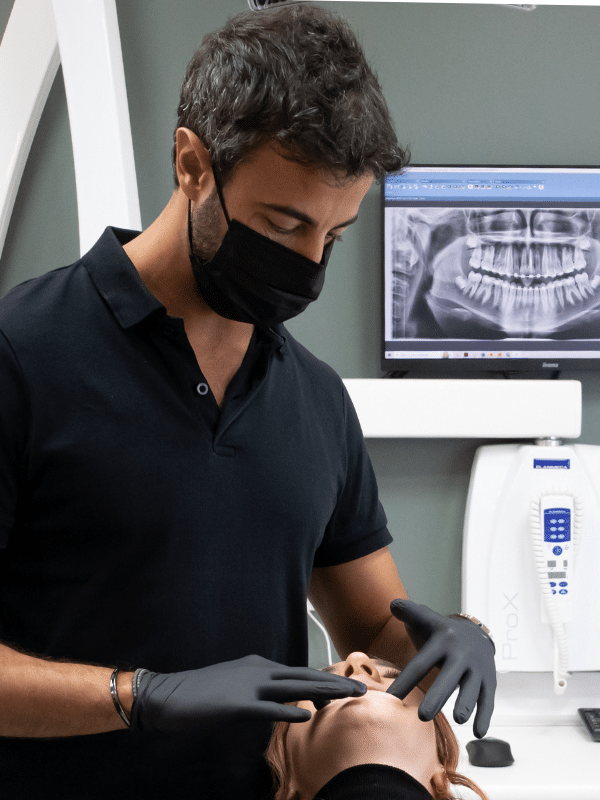
The Madeleine Dental Practice relies on a strict diagnostic protocol to ensure a tailored, effective, and comfortable care plan for the patient.
The speech therapy assessment aims to precisely quantify articulatory capacities, fluency, and intensity of speech.
Each test is conducted according to validated protocols (HAS, DIADOLAB3) and results in a detailed report mentioning scores, deviations from the norm, and recommendations.
To precisely locate articulatory dysfunctions, we resort to:
This method allows real-time correction of articulatory gestures and documents progress over sessions.
The cone beam scanner provides:
This data is imported into simulation software to anticipate bone corrections and optimize therapeutic interventions.
All cases are discussed in a consultation meeting bringing together:
This collaborative approach ensures a holistic view of the patient. It minimizes redundancies and guarantees consistency in treatments, from diagnosis to final rehabilitation.
Request your personalized assessment at the Madeleine Dental Practice. Quickly identify the root of your difficulties and consider the most appropriate treatment.
At the Madeleine Dental Practice, we take pride in providing personalized care for every patient. Our experts are equipped with the latest technologies to ensure accurate diagnosis and optimal treatment. Make an appointment today to start your journey towards a perfect smile!
The Madeleine Dental Practice implements a multidisciplinary approach and advanced techniques for each step of the journey:
Transparent aligners and fixed appliances are based on Computer-Aided Design and Manufacturing (CAD/CAM); they gradually reposition the teeth and restore an optimal anterior guide, improving the precision of critical phonemes (/s/, /ʃ/, /f/, /v/).
For severe malocclusions (classes II/III, open-bites), the Madeleine Dental Practice performs orthognathics, combined with pre- and postoperative orthodontic treatment. This procedure repositions the jaws to balance facial aesthetics and articulatory function.
Thanks to CAD/CAM, bridges and crowns are digitally designed to optimize palatal contours and incisal edges, ensuring ideal lingual support and fine phonetic restitution.
Lingual frenectomy, performed in a single outpatient session under local anesthesia, frees the mobility of the tongue when the lingual frenulum is too short. Postoperative speech therapy ensures a quick and complete recovery of tongue movements.
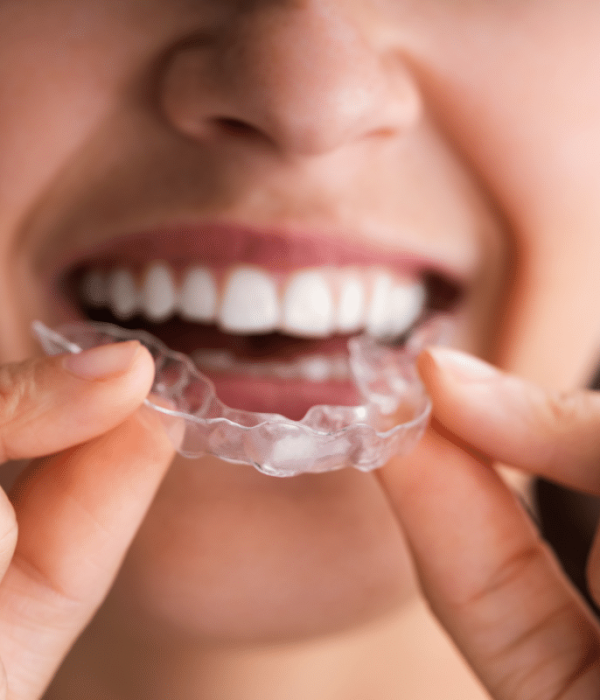
The cost of orthodontic or surgical treatment varies depending on the technique used.
Type of treatment | Estimated fee (€) | Social Security reimbursement | Remaining cost to patient |
Metal braces | 2,500 – 4,000 | 193.50€ per semester (100%) | Variable depending on insurance |
Clear aligners | 2,000 – 6,000 | Not reimbursed | 100% at the patient’s expense |
Lingual orthodontics | 5,000 – 7,000 | Not reimbursed | 100% at the patient’s expense |
Orthodontic treatment semester | 600 — 1,200 | 193.50€ per semester (100%) | 406.50 – 1,006.50 |
Lingual frenectomy | 300 — 600 | Social Security base: 35.45€ | 264 — 564 |
Orthognathic surgery | 3,000 – 10,000 | On quote | On quote |
For an accurate and personalized estimate, contact the dental office at the Madeleine Dental Practice. Book an appointment online and check our availability to reserve your first session in just a few clicks.
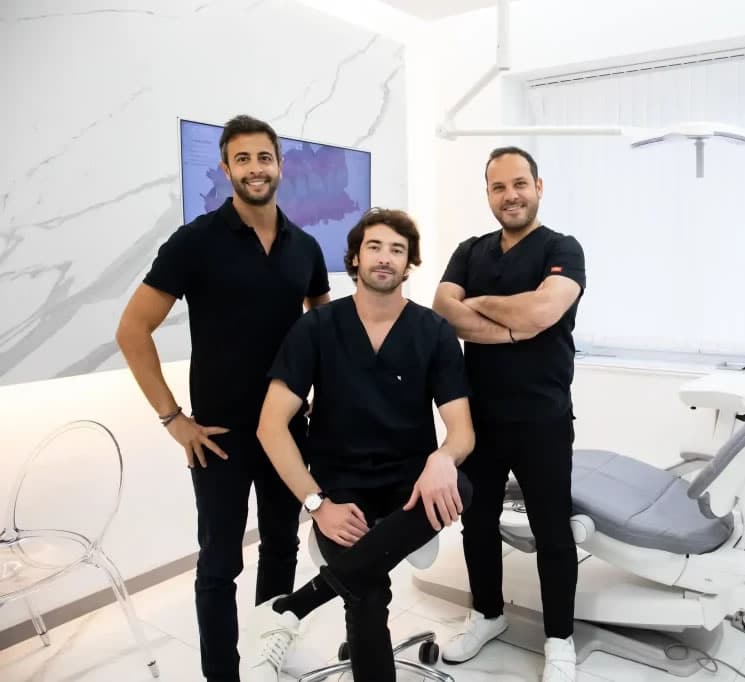
Trusting the Madeleine Dental Practice means choosing:
Before 4 years old for speech disorders related to learning, but an assessment is always relevant at any age to adapt the therapeutic strategy.
The radiation dose is controlled and lower than that of traditional medical CT scans. The diagnostic benefits far outweigh the risk, and the technique is commonly used in orthodontics.
Generally between 12 and 24 months, depending on the complexity of the malocclusion and the device chosen.
Laser frenectomy is minimally invasive, with minor scarring and quick recovery, often without stitches.
Stuttering observed in children evolves spontaneously in 75% of cases; in persistent cases, the combination of speech therapy and psychological support significantly improves fluency.
Yes, Smile Clinic offers clear aligners specifically designed for adults, with an ergonomic and discreet treatment plan.
Depending on your availability, Smile Clinic offers slots within 1 to 3 weeks, and has emergency options for critical cases.
For any other questions, our team is at your disposal. Get your free estimate: without obligation, receive a clear and detailed estimation of your future care.