
Periodontal surgery is a micro-surgical procedure indicated when periodontitis reaches an advanced stage, characterized by residual pockets of at least 6 mm after an initial cleaning. Performed under local anesthesia, it allows for the cleaning of deep roots, regeneration of destroyed bone, and reconstruction of gum tissue.
In Paris, reference structures such as The Madeleine Dental Practice (Paris 8) apply minimally invasive protocols (access flap, gum graft, bone graft, gingivectomy). Average prices in Paris vary between 400 € and 1,500 € depending on the procedure, requiring a personalized diagnosis and estimate.
Periodontitis is a chronic bacterial infection that destroys the supporting bone of the teeth. According to the World Health Organization (WHO), severe forms of this disease affect nearly 19% of adults worldwide. In France, epidemiological data show that 32% of adults are at risk of developing bone loss of periodontal origin.
To halt this degradation, practitioners follow a multi-step treatment protocol validated by the European Federation of Periodontology (EFP):
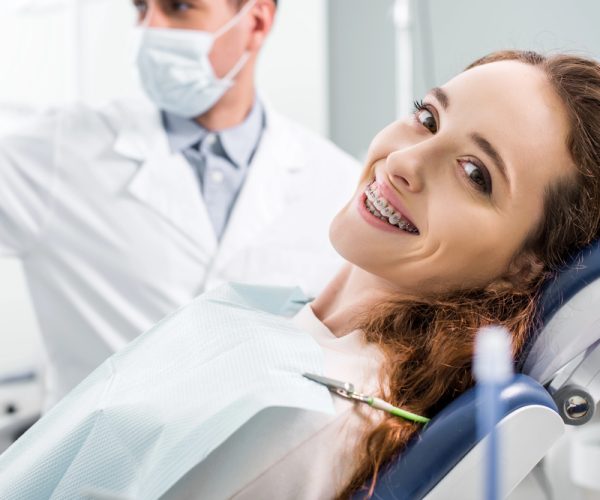
The first phase consists of assessing the condition of the gums. The dentist uses a graduated probe to measure the space between the gum and the tooth (the periodontal pocket). An initial non-surgical treatment, called root planing, is then performed to disinfect the roots under local anesthesia.
A reevaluation is conducted 6 to 8 weeks after this initial cleaning. If the probing reveals that periodontal pockets of at least 6 mm persist with bleeding, surgery becomes necessary.
At this depth, standard maintenance instruments can no longer reach the bacteria. Without surgical intervention to open access and clean the area, the bone continues to deteriorate, leading to tooth mobility.
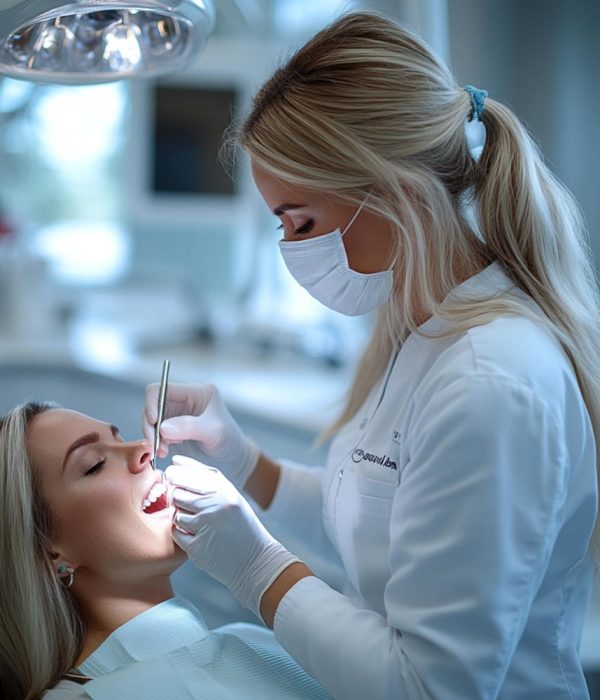
Periodontal surgery has modernized. Current techniques are reconstructive and use precision instruments to minimize inflammation.
Common interventions include:
In Paris, certain establishments, such as The Madeleine Dental Practice (Paris 8), incorporate 3D examinations (Cone Beam) and micro-surgery instruments under magnification glasses to perform these procedures precisely and comfortably for the patient.

In modern dentistry, the gums (the pink aesthetics) serve as a direct biological support for the tooth (the white aesthetics).
It is not recommended to place dental veneers (E-Max or Lumineers) or to start orthodontic treatment (braces or aligners) on gums showing signs of active infection. An unstable periodontium compromises the durability of aesthetic treatments. Periodontal surgery for sanitation or correction (such as gingivectomy to realign the necks of the teeth) is a necessary prerequisite to ensure a healthy and symmetrical environment.
Periodontal surgeries, bone grafts, and gum grafts are not reimbursed by Social Security (classified as Outside of Compensation).
The table below presents the average rates practiced in Parisian clinics equipped with modern technical facilities:
| Type of periodontal intervention | Average indicative rate in Paris | Billing specifics |
|---|---|---|
| Sanitation surgery (Access flap) | €400 — €800 | Per sector (sextant) |
| Gum graft (Plastic surgery) | €600 – €1,200 | According to the number of affected teeth |
| Regeneration with bone graft | €800 – €1,500 | Per treated site (depending on the volume of biomaterials) |
| Aesthetic gingivectomy | Starting from €300 | Per sector |
Note: Most complementary health insurance offers partial or total reimbursement of these procedures through an annual package dedicated to periodontology.
Make an appointment for a complete examination! Only a clinical diagnosis accompanied by 3D imaging can define an adapted treatment plan. Contact the Madeleine Dental Practice (Paris 8) to conduct a complete periodontal assessment and obtain a personalized quote to be submitted to your insurance.
Root planing is a non-surgical treatment performed under the gum to disinfect the root without exposing it. Periodontal surgery is only performed if root planing fails (persistent pockets of 6 mm). It requires slightly retracting the gum to clean the area under visual control.
No, the procedure is performed under local anesthesia, which eliminates all pain during the intervention. After the operation, the use of micro-surgery techniques limits inflammation. Discomfort or slight swelling may occur, but they are managed with standard pain relief medications for 48 hours.
The superficial gum heals within 7 to 14 days, after which the practitioner removes the sutures if they are not absorbable. Healing of deeper tissues, like bone or the attachment of the gum to the root, continues over a period of 3 to 6 months.
No, these minimally invasive surgeries generally do not require time off work. You can resume your professional activities the next day. It is only advisable to suspend intense sports activities for 3 to 5 days to avoid the risk of bleeding.
Nicotine constricts the blood vessels in the gums, which reduces the oxygen supply necessary for tissue healing. Regular smokers present a failure rate that is twice as high for bone and gum grafts. A complete cessation is required 2 weeks before and 4 weeks after the procedure.