
Teeth that are too short, too long, asymmetric, or worn can cause aesthetic discomfort. Smiling becomes a source of unease, and this discomfort can sometimes impact self-confidence, social, or even professional relationships. However, beyond appearance, an abnormal shape or size can also have functional consequences.
Correcting the shape or size of teeth is a high-precision intervention, requiring expertise and perfect mastery of dental techniques. At The Madeleine Dental Practice, we offer our know-how to ensure results meet your expectations.
Dental irregularities related to shape or size can have several origins. Some are present from the formation of the teeth, others appear over time, or result from previous dental treatments. Identifying the cause helps guide the most appropriate treatment.
At The Madeleine Dental Practice, every correction of dental shape or size is based on a comprehensive diagnosis, grounded in the aesthetic and functional analysis of the smile. To do this, we apply the following protocol:
This approach allows us to define a personalized treatment plan that is effective and respectful of the integrity of the teeth.
Depending on the diagnosis, several techniques can be considered. They are sometimes combined with each other to achieve better results.
When the discomfort is minor, it is possible to carry out a slight reshaping of the enamel (smoothing, rounding, edge balancing). This quick, painless, and conservative treatment allows for the correction of small asymmetries or unsightly points.
This technique involves applying a composite material to the tooth to correct its shape, fill a gap, or lengthen a tooth that is too short. The advantages of this solution are numerous:
This is the most commonly used treatment for spot corrections, especially on incisors or canines.
Ceramic veneers are an excellent solution for correcting the shape, size, color, and sometimes even the alignment of visible teeth. They are custom-made in a laboratory, based on a 3D scan, and then glued to the surface of the teeth. They notably allow for:
At The Madeleine Dental Practice, we use ultra-thin veneers made with the most resistant and natural ceramic materials available on the market.
When the tooth is heavily damaged or too short to receive a veneer, a ceramic crown may be indicated. It envelops the entire tooth, restoring its ideal shape and height.
At The Madeleine Dental Practice, our crowns are entirely made from pressed ceramic or zirconia, without metal, for a flawless aesthetic.
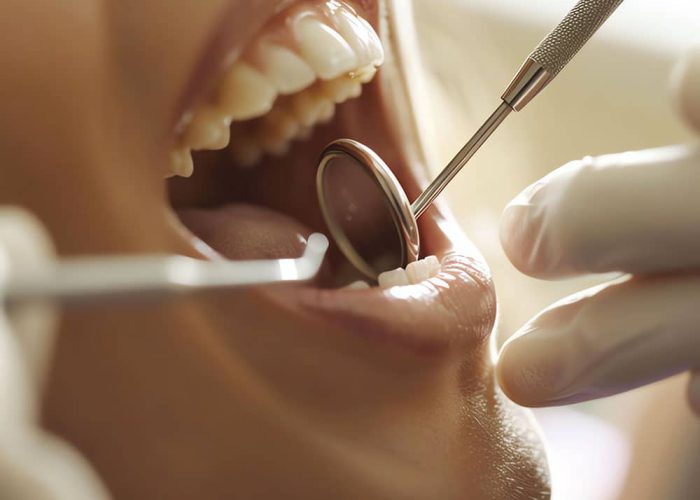
Sometimes, the impression of poor size comes from incorrect positioning of the teeth. A slight overlap or tilting can distort the perception of shape. In this case, treatment with invisible aligners (like Invisalign) can correct alignment before considering an additional aesthetic solution.
At The Madeleine Dental Practice, correcting the shape or size of the teeth can be accompanied by complementary treatments for an optimal, natural, and durable result.
Prices may vary according to your situation, the exams to be performed, and the location of the practice. To give you an idea, here are some price ranges:
Technique | Price Incl. Tax (€) |
Aesthetic Reshaping | 80 — 150 |
Cosmetic Composite (per tooth) | 250 — 400 |
Ceramic Veneer (per tooth) | 900 — 1,600 |
All-Ceramic Crown (per tooth) | 1,100 – 1,500 |
Invisible Aligners (full treatment) | 3,200 – 4,800 |
These rates cover the consultation, intraoral scanning, digital simulation, and placement. A third-party payment option may be possible with certain mutual insurance providers.
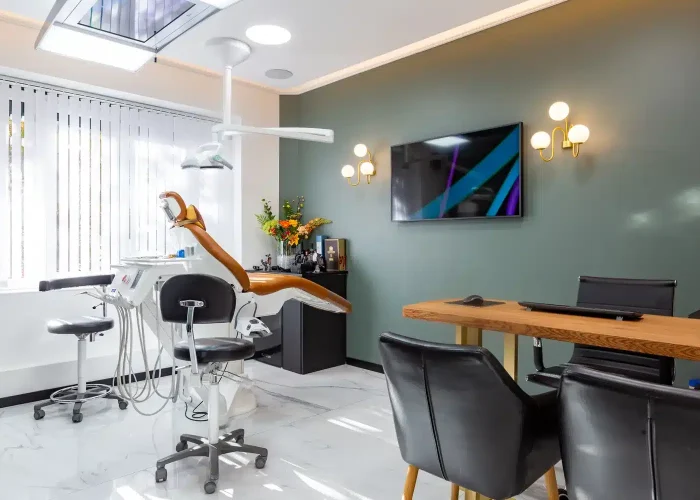
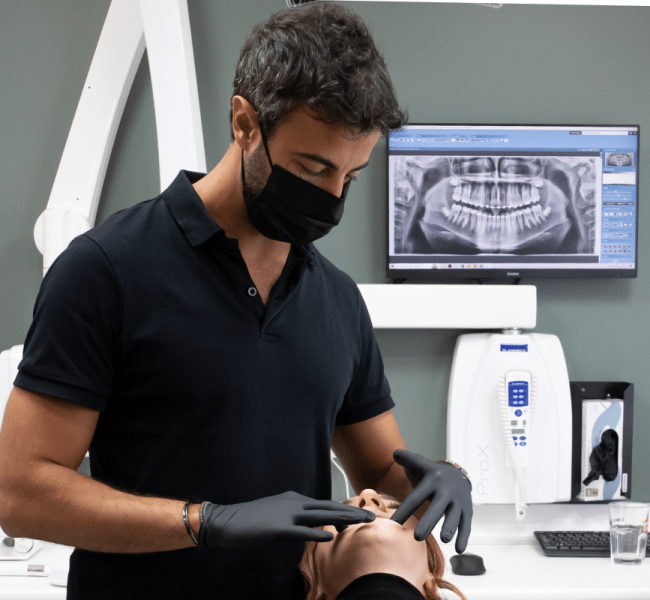
The Madeleine Dental Practice stands out for its multidisciplinary approach, advanced technology, and focus on both aesthetics and patient comfort:
With a complete technical platform and recognized aesthetic expertise, The Madeleine Dental Practice guarantees a natural, durable, and harmonious result in accordance with your face. For your pre-operative assessment and a free, no-obligation quote, contact us—our team will be delighted to assist you.
No, it doesn’t usually require anesthesia. We only work on the enamel.
On average, 10 to 15 years, or longer, if hygiene is perfect and there is no severe bruxism.
The composite may discolor slightly depending on your habits (coffee, red wine); an annual polishing helps maintain its shine.
Preparation, impression taking, and placement are usually done in two appointments of approximately 1 hour each.
They reposition the teeth: once the alignment is optimized, you can finish with veneers or composites for shape and size.
Yes, except for examinations under sedation: avoid contact sports for 24 hours.
Check-up at 1 week, then at 6 months to verify the integrity of the restorations, with polishing or touch-up if necessary.