Wisdom teeth, or third molars, are the last teeth to emerge, often between 17 and 25 years of age. While their eruption can sometimes occur without issue, they can lead to pain, infections, or complications for the rest of your dental health.
At The Madeleine Dental Practice, our team of dental surgeons in Paris is here to assist you with the extraction of wisdom teeth. Utilizing cutting-edge technology and a personalized approach, we transform a previously daunting procedure into a calm and controlled experience.
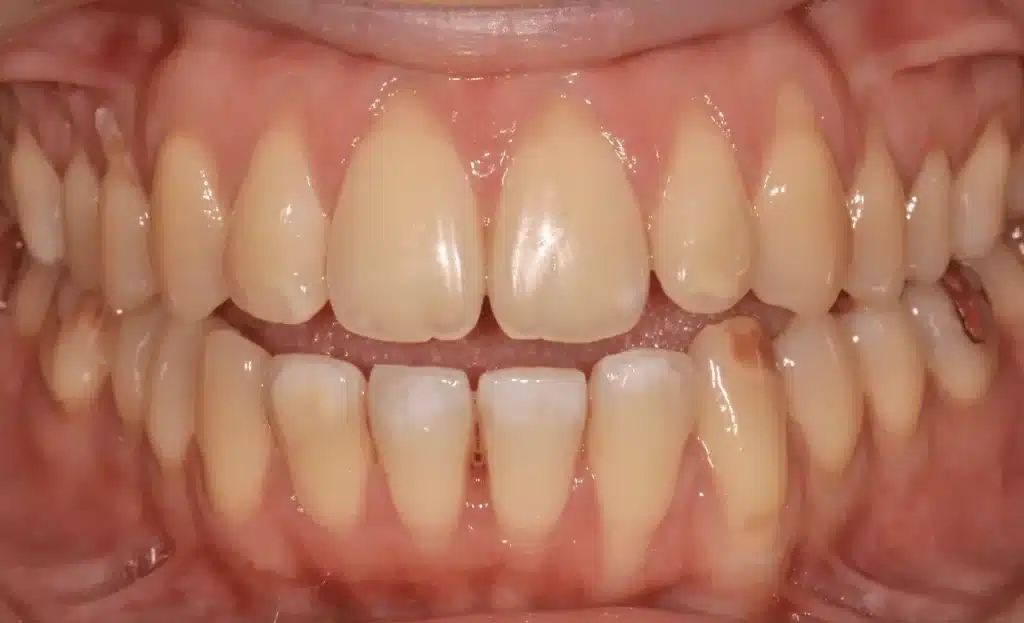
The extraction is not systematic. It is only considered if the wisdom teeth threaten your oral health. Our team performs a precise diagnosis using panoramic X-rays to determine the necessity of an intervention.
For example:
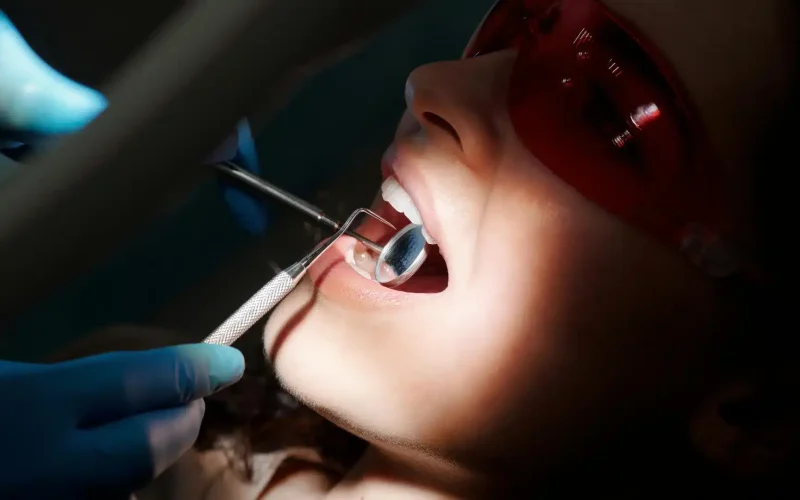
Within our dental clinic in Paris, we have developed a care protocol centered on your comfort and security.
The first step is a consultation with one of our practitioners. During this appointment, a comprehensive examination is conducted, followed by a 3D X-ray (Cone Beam) directly on-site. This technology provides an accurate image of the jaws, teeth, and surrounding nerves. Collecting this information facilitates the evaluation of your wisdom teeth’s positioning and anticipates any potential difficulties. Additionally, our team can plan the procedure to be as secure and minimally invasive as possible.
We explain every step of the procedure and answer all your questions. Our goal is to ensure that you are fully informed and comfortable before the intervention.
The extraction of wisdom teeth is performed under local anesthesia, making the procedure completely painless. Using modern techniques, the anesthesia acts quickly and effectively. For the most anxious patients, options for conscious sedation can be discussed to ensure complete relaxation.
Directed by our surgeons, the intervention generally lasts between 30 and 60 minutes for all four teeth.
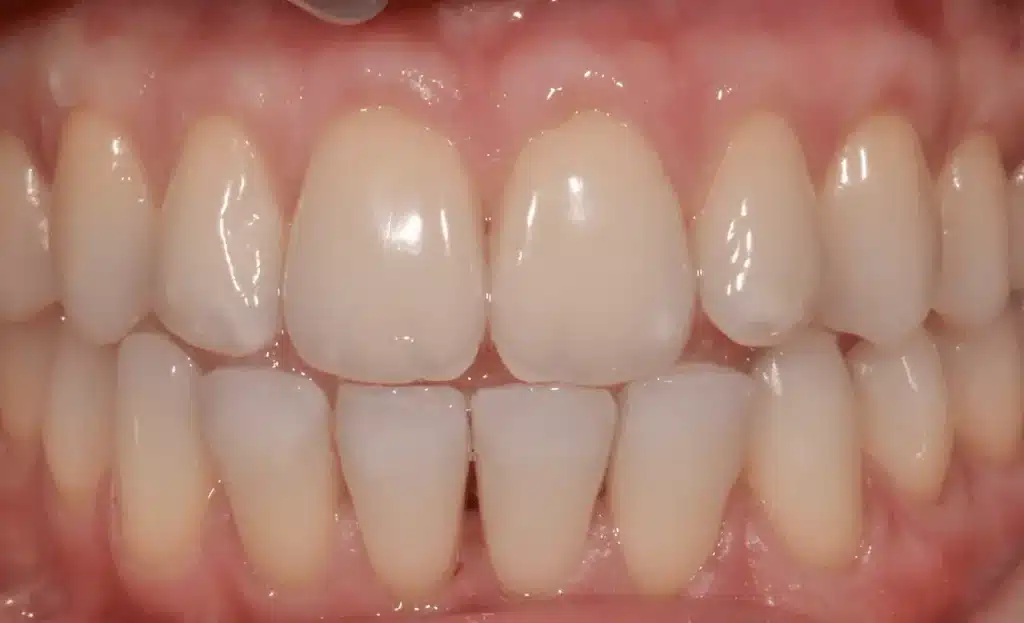
Proper healing relies on following simple guidelines. The team at The Madeleine Dental Practice will provide you with a post-operative care sheet and will be available to answer all your questions.
At The Madeleine Dental Practice, Dr. Ralph Badaoui, your endodontist in Paris, and his team welcome each patient with care. Thanks to cutting-edge technology, including 3D imaging and a dedicated surgical suite, we ensure precise and safe treatments. At each stage, you benefit from personalized support designed for your comfort.
Do not let painful wisdom teeth affect your daily life. Schedule a consultation and discover how we can help you regain a healthy and serene smile.
Our specialists at The Madeleine Dental Practice are here for you!
Yes. This is the most common practice. It allows for only one recovery period and simplifies follow-up. Local anesthesia is sufficient in most cases, but the procedure can be performed in two stages depending on the situation or patient preferences.
A rest of 1 to 3 days is recommended for proper recovery and to limit post-operative discomfort, especially in cases of physical activity. A medical certificate can be provided if necessary.
Complications are rare. The main risk concerns the mandibular nerve for lower teeth, which can lead to temporary loss of sensation. At The Madeleine Dental Practice, 3D imaging allows for precise assessment of this risk and minimizes it.
Between 17 and 22 years, when the roots are not yet fully formed. The bone is softer, allowing for quicker healing. Extraction remains possible later if necessary.
Yes. Health insurance covers the procedure, with possible excess fees depending on the practitioner. Your mutual insurance may complete the reimbursement. A detailed estimate is provided before the procedure.