A bright smile is often synonymous with self-confidence and well-being. Unfortunately, stains on teeth can detract from this brightness and affect our appearance. Whether due to dietary habits, tobacco, or poor oral hygiene, it is very important to understand the causes of tooth stains and to know the available solutions to eliminate them. At The Madeleine Dental Practice in Paris, we offer various methods to remove stains from teeth and regain a radiant smile.
Tooth stains arise from several factors and can have various origins. Here are the most common causes:
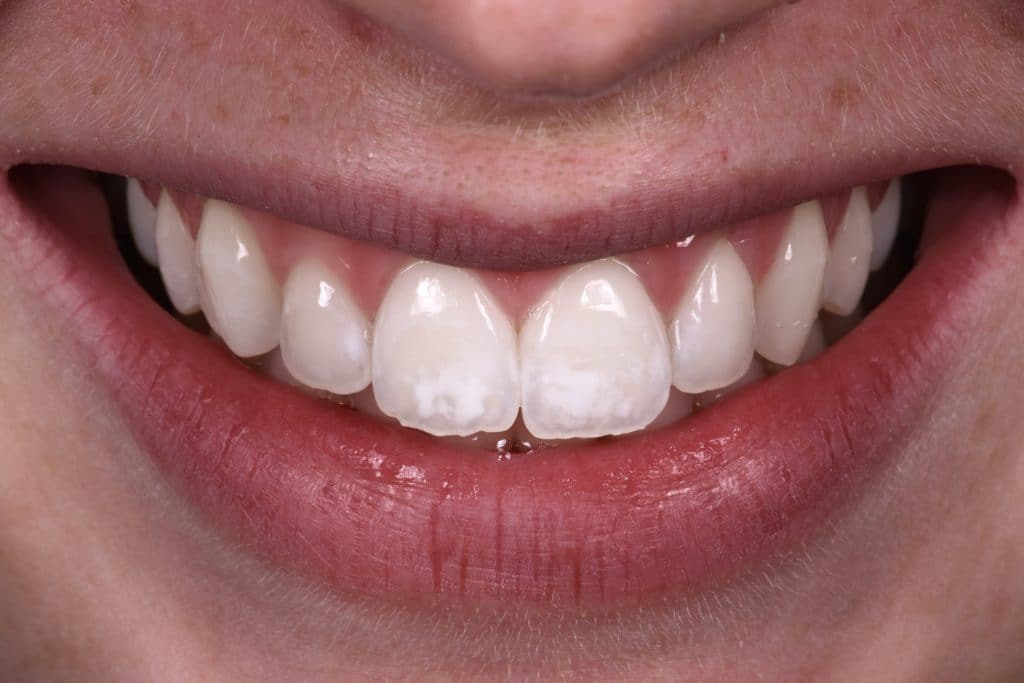
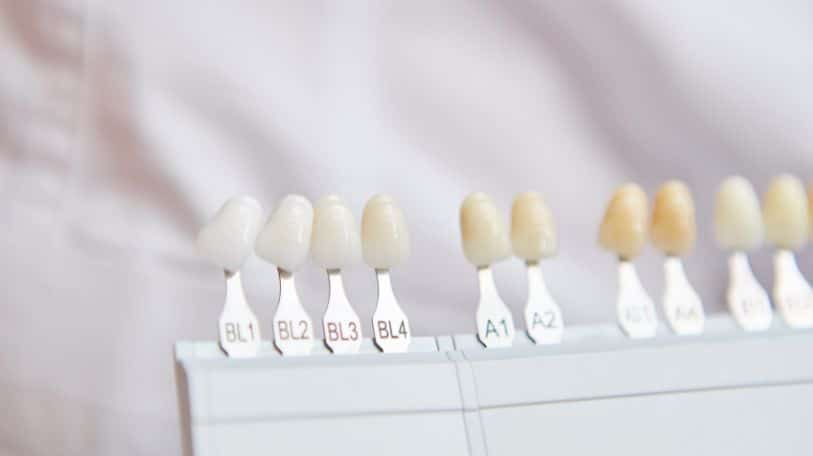
Dental stains vary in color:
Often caused by fluorosis or demineralization of the enamel.
Learn more here
Generally due to dietary habits or tobacco.
They may result from the natural wear of the enamel.
Dental stains can also vary in texture. Some stains may be smooth and superficial, while others may appear rougher or ingrained, making their removal more complex.
Before starting any treatment, it is essential to have a consultation with a dentist so that they can analyze your aesthetic needs and determine the cause. This will allow them to recommend the most appropriate solution for your situation.
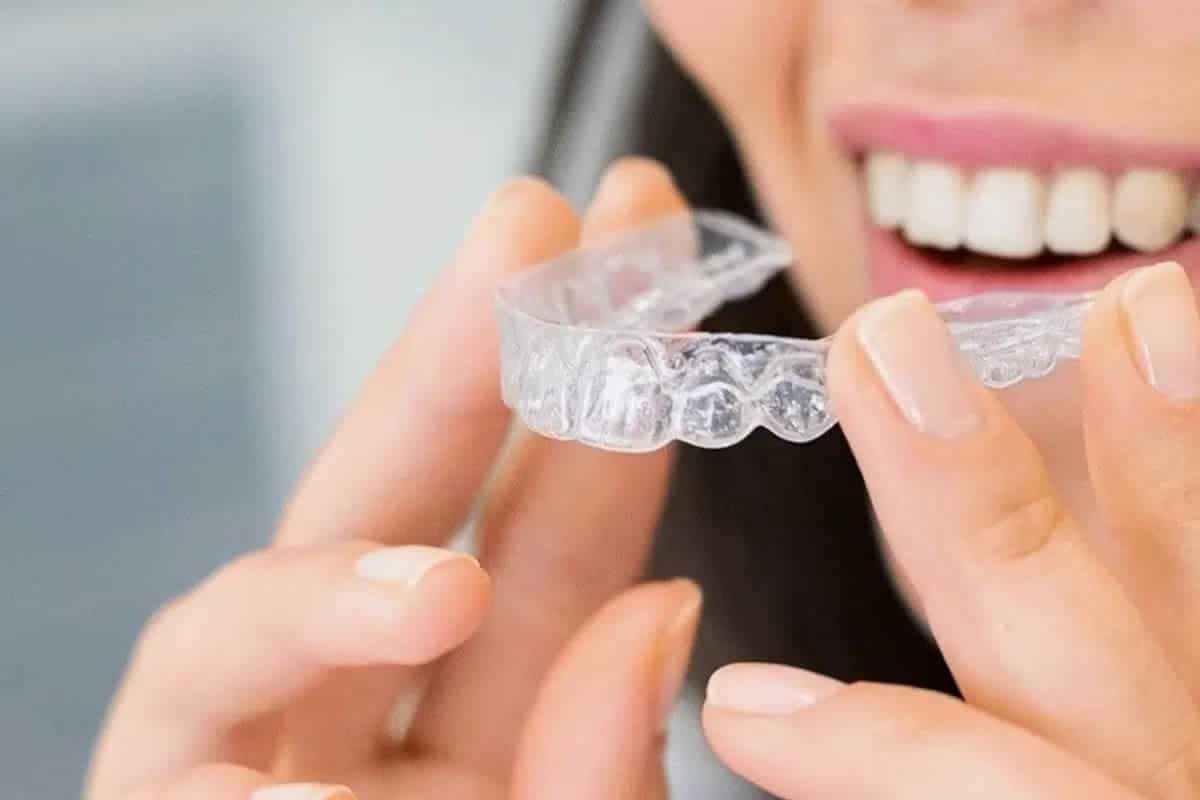
In-office teeth whitening relies on the application of powerful whitening agents, typically based on hydrogen peroxide or carbamide. These substances penetrate the enamel to break down the pigments responsible for stains. Under the supervision of a professional, the treatment is carefully monitored to ensure its effectiveness while minimizing risks to the enamel. Depending on the intensity of the stains and the sensitivity of the teeth, several sessions may be necessary to achieve optimal results. However, in many cases, the initial effects are already visible after the first session.
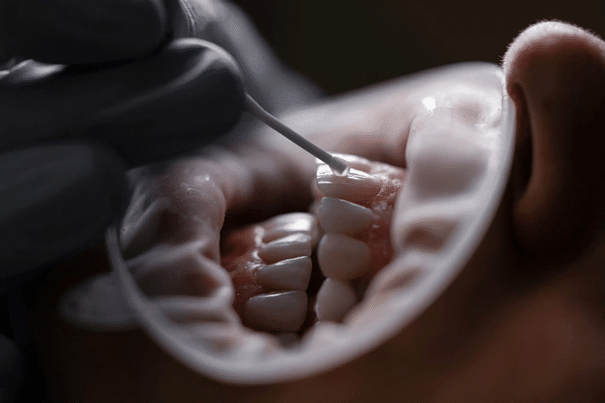
Micro-abrasion is a more targeted technique aimed at correcting deep imperfections in enamel, particularly stains caused by fluorosis, an overconsumption of fluoride during childhood. The treatment involves removing a very thin layer of enamel using a special mixture of acid and mild abrasive agents. This procedure is performed under the supervision of a dentist, and although non-invasive, it requires great precision to avoid altering the integrity of the teeth. Micro-abrasion significantly improves the appearance of teeth by removing ingrained stains while preserving the natural structure of the teeth. This treatment is particularly recommended for patients with shallow and localized stains.
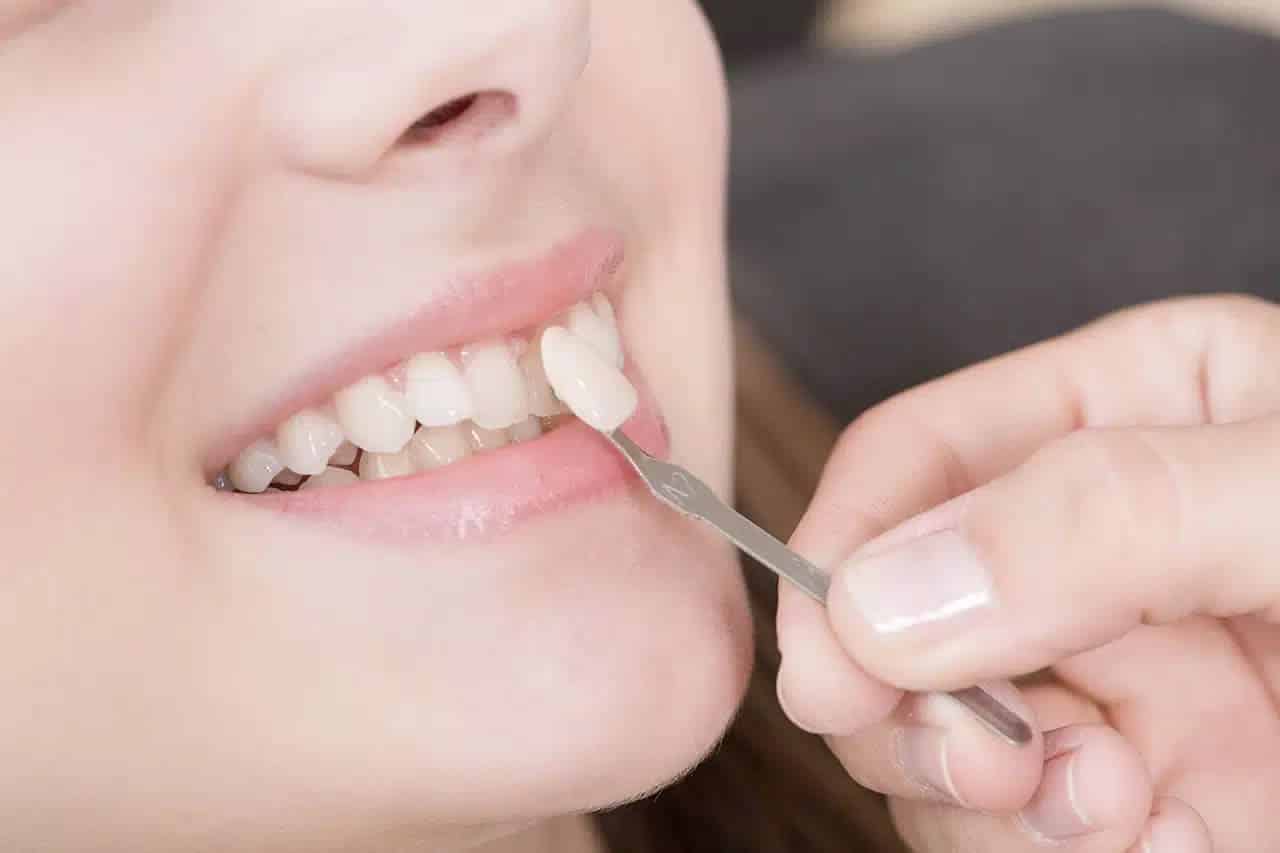
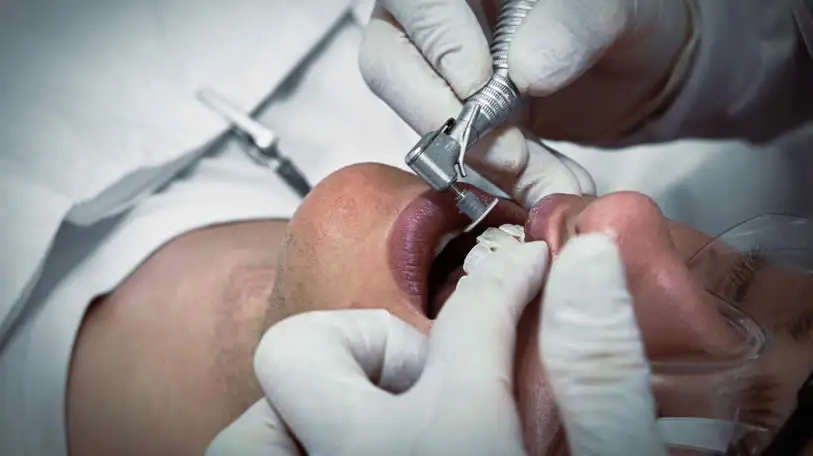
Dental polishing is a simple and non-invasive procedure that removes superficial stains caused by plaque buildup, tartar, or the consumption of colored foods and beverages. During polishing, the dentist uses a special slightly abrasive paste and a rotating brush to clean the surfaces of the teeth. This treatment not only restores shine and luster to the teeth but also helps improve the texture of the enamel, making it smoother and more resistant to future stain buildup. It is a relatively quick treatment that does not require anesthesia and can be combined with scaling for optimal results.
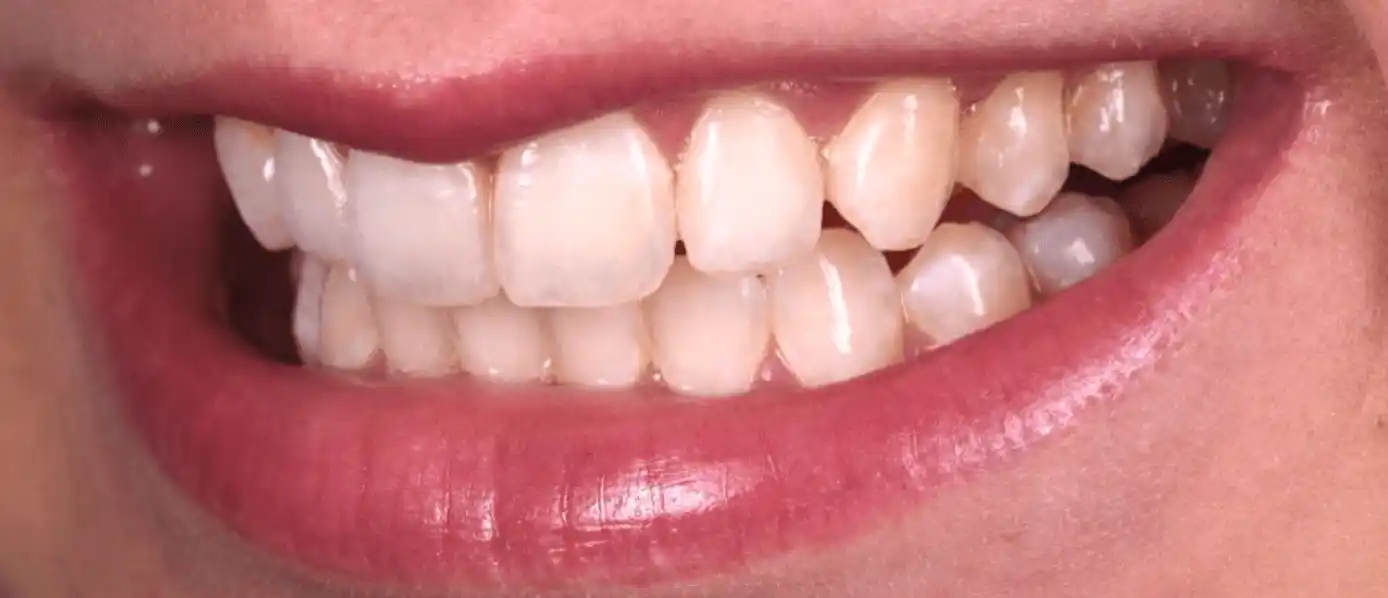
The Icon infiltration is an innovative method used to treat white spots, often caused by demineralization of the enamel, for example, following orthodontic treatment. Unlike other techniques that remove or abrade enamel, this method works by infiltrating a transparent resinous agent directly into the discolored areas. This process helps mask the spots by making their appearance more uniform with the rest of the tooth. The procedure is quick, painless, and preserves the structure of the enamel while providing visible results almost immediately. It is a particularly effective option for patients with diffuse spots or those located on visible areas of teeth, without the need for more invasive treatment.
DISCLAIMER : In a context where social media and magazines are filled with home hacks for achieving a dazzling smile, it is essential to remain vigilant. While these methods are often presented as miracle solutions, it is important to note that they are generally relatively abrasive and may do more harm than good. Specialists from The Madeleine Dental Practice advise against these treatments and techniques, often due to their harmful effects on dental enamel. To preserve your smile’s health, it is preferable to seek professional and personalized solutions.
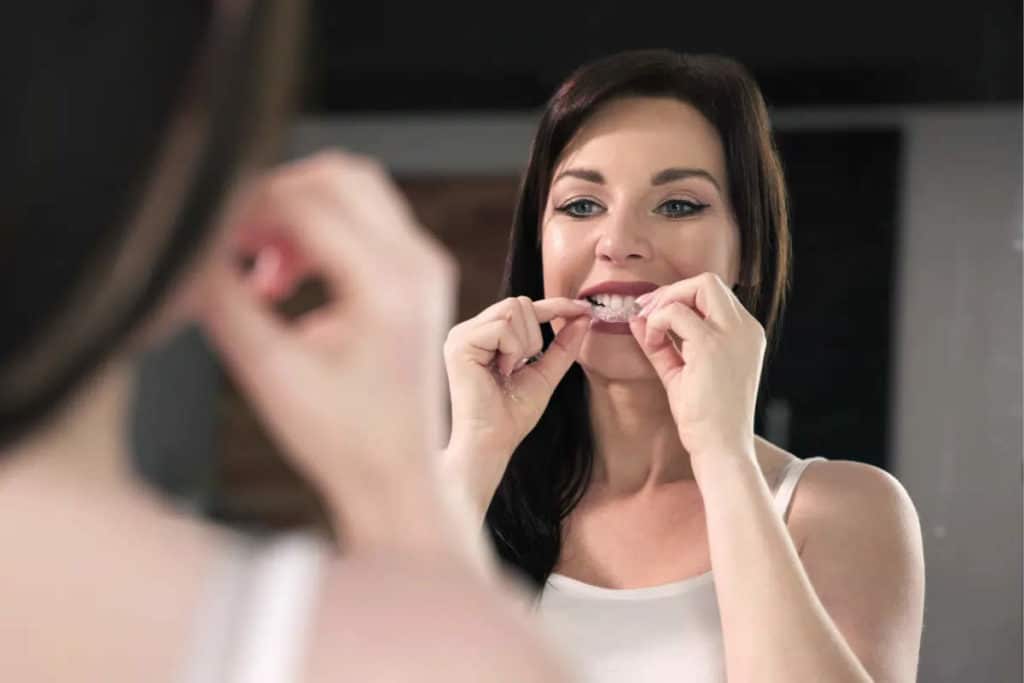
Whitening strips are another quite popular option on social media, for whitening teeth at home. Easy to use and discreet, they adhere directly to the teeth and are soaked in a whitening gel similar to that used in kits. Each strip is designed to cover the teeth in both the upper and lower arch, and the treatment typically lasts between 20 and 60 minutes, depending on the product concentration. The strips are designed to fit the shape of the teeth and ensure uniform contact with the whitening gel. Results are often visible after one or two weeks of regular use. However, it’s important to ensure the strips are aligned correctly to avoid uneven whitening and to adhere to the application time to limit the risks of gum irritation.
Whitening kits are one of the most popular options for achieving a whiter smile at home. These kits, available at pharmacies, online, or directly from your dentist, generally contain whitening gels based on hydrogen peroxide or carbamide peroxide. These substances penetrate the enamel and break down the molecules responsible for stains. The kits also include trays, either customizable or universal, in which the gel is applied before being positioned on the teeth. The whitening process can take several days to several weeks depending on the product concentration and usage frequency. Results are often visible after a few applications, but it’s essential to follow the instructions precisely to avoid gum irritation or tooth sensitivity.
Whitening toothpastes are a convenient solution for everyday use. They contain mild abrasive agents or chemicals such as bicarbonate of soda or peroxide, which help remove surface stains on the teeth caused by drinking coffee, tea or smoking. Unlike whitening kits, these toothpastes only act on external stains and do not alter the internal colour of the teeth. They are recommended for maintaining results after a whitening treatment or for people looking to prevent new stains from appearing. However, it is important not to use overly abrasive toothpastes over a long period, as they can wear down the enamel and cause increased sensitivity.
Whitening strips are another fairly popular option, particularly on social media, for whitening teeth at home. Easy to use and discreet, they stick directly to the teeth and are impregnated with a whitening gel similar to that used in kits. Each strip is designed to cover the teeth in the upper and lower rows, and the treatment usually lasts between 20 and 60 minutes, depending on the product’s concentration. The strips are designed to mould to the shape of the teeth and ensure even contact with the whitening gel. Results are often visible after one or two weeks of regular use. However, it is important to ensure the strips are properly aligned to avoid uneven whitening and to follow the recommended application time to minimise the risk of gum irritation.
Baking soda is a mild abrasive commonly used to whiten teeth naturally. However, specialists in The Madeleine Dental Practice do not recommend its frequent use at home, because it can damage the enamel if used excessively. Although it can remove some stains, it is best to consult a professional for safer and more effective alternatives.
Although lemon is often touted for its whitening properties, its acidity can erode enamel, making teeth more vulnerable. Similarly, the use of vegetable charcoal may seem promising, but its abrasiveness can also harm the enamel. Specialists in The Madeleine Dental Practice recommend abstaining from these methods and favoring professional treatments that protect and strengthen oral health.
Hydrogen peroxide, or hydrogen peroxide, is a very effective whitening agent, commonly used in professional treatments. At home, it can be used in diluted solution to rinse the mouth or mixed with a toothpaste. It works by breaking down the molecules responsible for stains and discoloration. Be careful, however, the incorrect use of hydrogen peroxide, especially in too high concentrations, can cause gum irritation, increased sensitivity and even damage to the enamel. It is therefore important to use it with care, ideally under the supervision of a professional or following very precise instructions.
Oil pulling is an ancestral method of Ayurvedic medicine that consists of rinsing your mouth with oil, usually coconut oil, for about 5 minutes. This technique is supposed to “pull” toxins and bacteria out of the mouth, thus helping to prevent gum disease and remove plaque, which is often responsible for dental stains. Oil pulling, although beneficial for oral health, does not replace professional dental care. Specialists from The Madeleine Dental Practice point out that this method will not be enough to whiten teeth effectively.

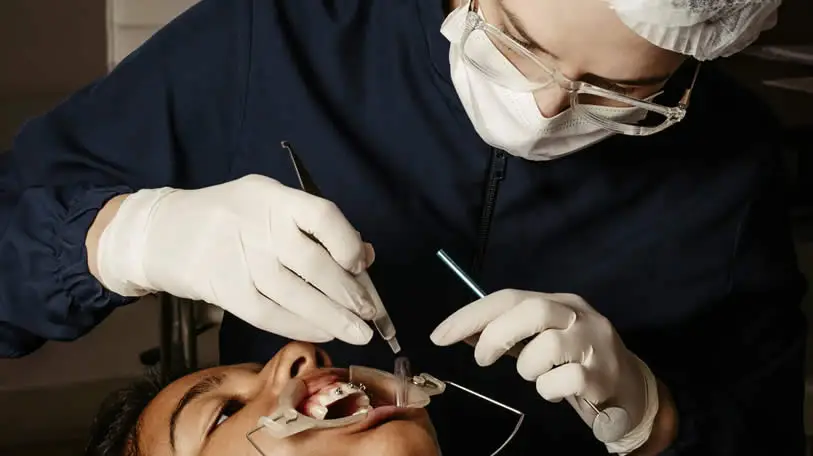
To avoid the reappearance of stains, it is advisable to reduce the consumption of coloring drinks such as coffee, tea, and red wine, as well as that of sweet or acidic foods.
It is also essential to maintain good oral hygiene by brushing your teeth after each meal with adequate toothpaste, using dental floss and completing with a mouthwash when possible. To avoid damaging the enamel, it is also recommended to wait about 30 minutes before brushing your teeth, especially after consuming acidic or sugary foods. This allows the pH in the mouth to stabilize and the saliva neutralizes the acidity, thus reducing the risk of erosion of the enamel.
Finally, regular visits to the dentist, ideally every six months, help detect dental problems at an early stage and preserve good oral health.
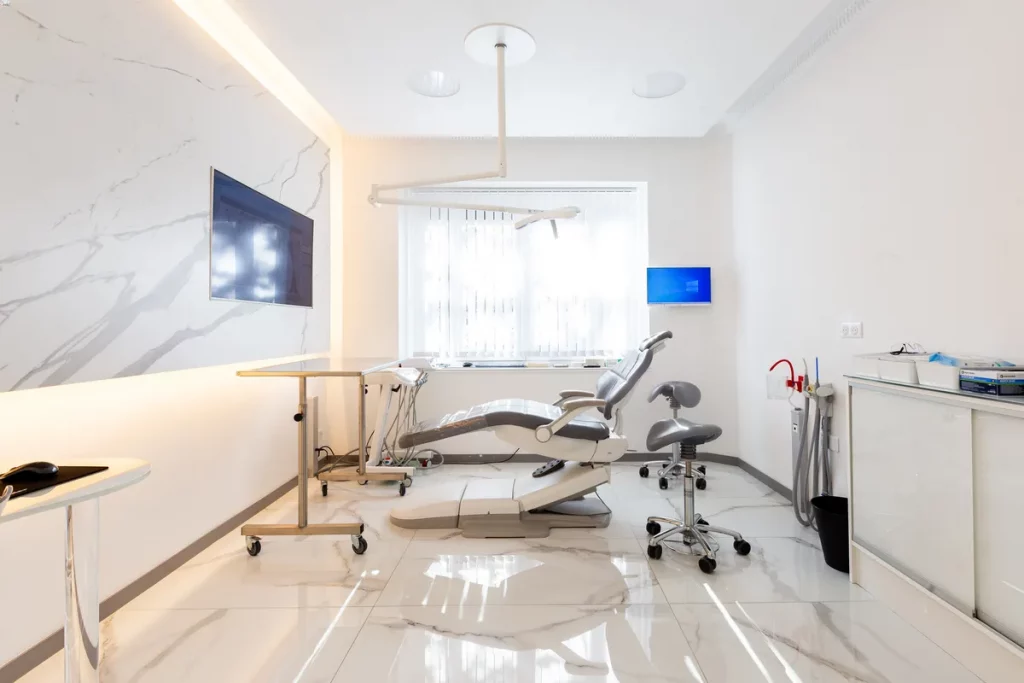
For personalized advice and treatments tailored to your needs, do not hesitate to consult an aesthetic dentist. At The Madeleine Dental Practice, we offer you a professional assessment and tailored solutions to erase stains from your teeth and improve the overall health of your smile.
Our specialists at The Madeleine Dental Practice in Paris are here for you!
Stains on teeth can have several causes. They are often due to the consumption of certain foods or beverages (such as coffee, tea, red wine), tobacco, poor oral hygiene, or the natural aging of enamel. Certain diseases or medications can also cause stains. To prevent these stains, it is recommended to maintain good dental hygiene and limit staining foods.
There are several home remedies to eliminate stains on teeth. Brushing with baking soda once a week is a popular and effective way to whiten teeth. Activated charcoal is also used to absorb particles responsible for stains. Caution: it is advisable to consult a dentist before using these methods to avoid damaging dental enamel.
Dentists use several professional techniques to eliminate stains on teeth. Scaling and polishing help remove tartar and superficial stains. For more stubborn stains, treatments like in-office whitening may be offered. These methods are safe and provide lasting results.
Some stains can become permanent if not treated in time. For example, stains caused by medications like tetracycline, or discolorations related to dental trauma can be difficult to eliminate. In these cases, solutions such as dental veneers can be considered to mask the stains.
To prevent stains on teeth, it is essential to adopt good oral hygiene, including regular brushing with an appropriate toothpaste and using dental floss. It is also advisable to limit foods and drinks that stain teeth, such as coffee, tea, sodas, or red wine, and to reduce or stop tobacco consumption. Finally, regular visits to the dentist help maintain healthy, stain-free teeth.